

Due To The Growing Cases Of Heteropaternal Superfecundation
By Taiwo and Kehinde Oshigbo
Introduction: A Shocking DNA Revelation
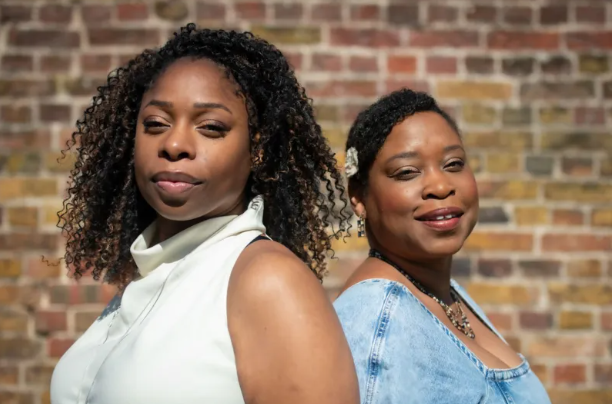
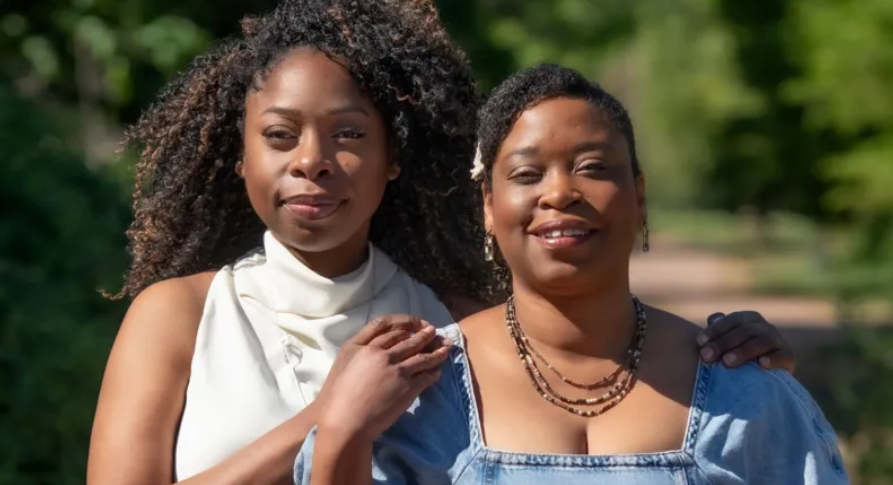
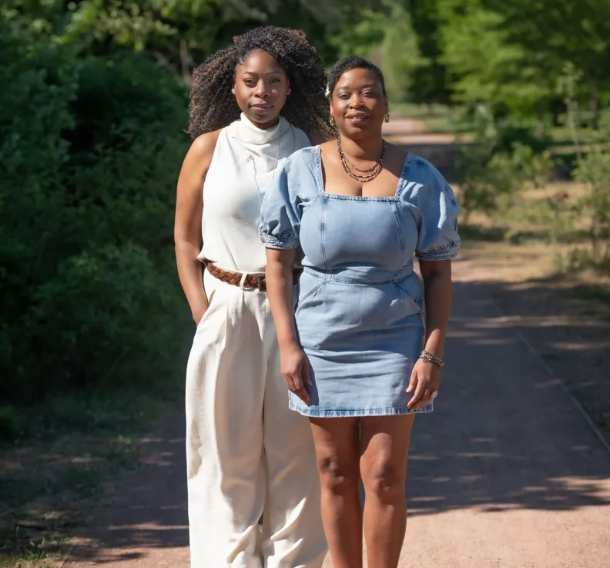
Twins Michelle and Lavinia Osbourne have always shared a special connection. However, Lavinia’s at-home DNA test in September 2022 revealed an astonishing truth: the non-identical twins do not share the same father. “Maybe subconsciously I knew,” Lavinia admits. Despite being conceived naturally, sharing a womb, and born minutes apart, they are actually half-sisters. This rare biological phenomenon, heteropaternal superfecundation, occurs when a woman releases multiple eggs fertilised by sperm from different men. Globally, only about 20 cases have been documented. After extensive research for BBC Radio 4’s The Gift, Lavinia and Michelle stand as the only UK twins known to have different fathers.
A Difficult Childhood Bonded by Uncertainty
For Lavinia, the revelation hit hard. Both sisters endured a turbulent childhood, often shuffled between carers and homes. “She was the one thing that belonged to me, the one thing that I was certain about, the one thing that I was sure of,” Lavinia recalls. “And then she wasn’t.” Conversely, Michelle greeted the news with less surprise. “I wasn’t surprised,” she says. “I’m still in amazement that this can actually happen – it’s super weird, super odd, super rare – but it makes sense.”
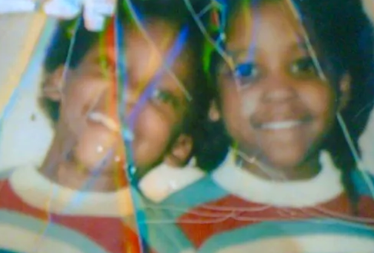
Their mother, a vulnerable 19-year-old at their birth in Nottingham in 1976, suffered abuse and spent much of her life in foster care. She identified a man named James as their father, but he was absent from their lives. When their mother moved to London for university, the twins lived with a strict carer they called “Grandma”. “The one constant I had was Michelle,” Lavinia says. Michelle adds, “It was she and I against the world.”
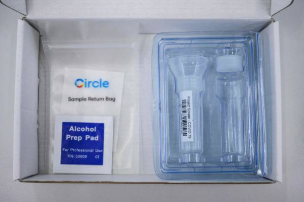
When the twins reunited with their mother in London, she remained emotionally distant. Later, James re-entered their lives, but doubts lingered, especially for Michelle. “I just thought, you don’t even look anything like me,” Michelle explains. She purchased a DNA kit. On February 14, 2022—the day their mother died—Michelle discovered James was not her biological father. After investigation, she found her real father, Alex, a man struggling with addiction and homelessness.
Family Search Uncovers Further Mysteries
Michelle met Alex’s family, including Olivine, whom she considered a new cousin. However, Lavinia did not feel connected. She took her own DNA test and learnt the shocking truth: she and Michelle had different fathers. “I was angry with Michelle for having me go through this, because I just didn’t want this reality,” Lavinia admits.
Further digging revealed James was not Lavinia’s father either. Michelle identified Lavinia’s biological father as Arthur, who welcomed the twins and shared how their mother sought refuge with him during a traumatic time. Lavinia says, “I feel like I’ve found a place to belong, and that place is with my dad.”
Embracing Their Unique Bond Despite Differences
Michelle met her father Alex but chose not to pursue a close relationship. “He’s mine, I’m his, but I didn’t feel like he’s someone I need to take forward in my future,” she says. The twins will never know if their mother suspected they had different fathers. Lavinia reflects, “It must have driven her crazy. She must have seen something, felt something.” Michelle adds, “I think in the back of Mummy’s head, she knew, but she was in great denial.”

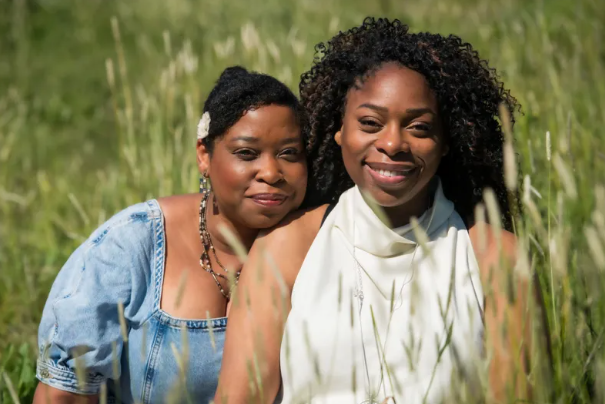
Despite their unique situation, the sisters recognise their unbreakable bond. Lavinia states, ‘We’re miracles. We’re always going to have a closeness that can’t be broken.” Michelle agrees. “She’s my twin sister. Nothing takes away from that.”
Conclusion
The rare phenomenon of heteropaternal superfecundation, as seen in Michelle’s and Lavinia’s cases, is increasingly recognised worldwide, including in Africa. With a growing number of sexually active women and natural ovulation of multiple eggs during a cycle, the possibility of twins having different fathers becomes more plausible. While still exceptionally rare, such cases highlight complex family dynamics and challenge traditional notions of parentage.
As DNA testing becomes more accessible across Africa, more families may uncover similar stories, prompting greater awareness of this biological reality. Ultimately, understanding heteropaternal superfecundation fosters empathy and broadens perspectives on family and identity across the continent.












Waw… This leaves me shocked to my bones. I’m a twin, imagine finding out we both have different father’s and our father isn’t even our real paternal father, that’s just waw…. 😮