
Obi Warns Against Political Manipulation of State Police
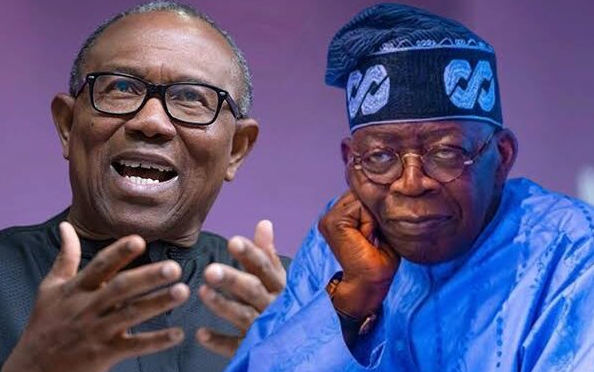
Peter Obi, Nigeria Democratic Congress presidential candidate, urged President Bola Tinubu to postpone state police implementation. He warned that introducing state police before the 2027 election could invite political misuse. For this reason, he predicated his assertion on the present realities among the political gladiators.
Background of the State Police Bill
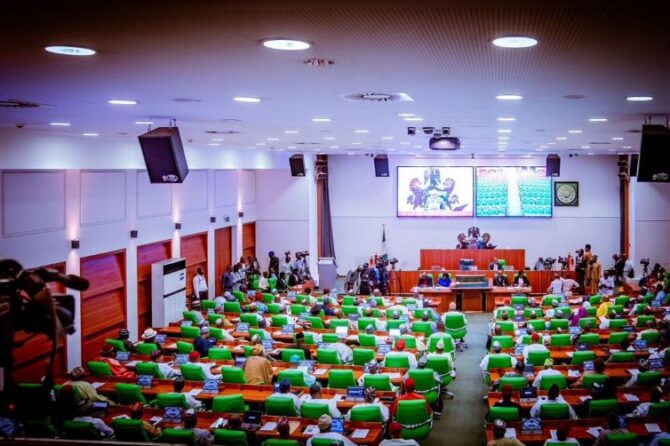
The National Assembly recently passed the Constitution Alteration Bill to establish state police. This reform aims to decentralise Nigeria’s policing amid rising insecurity. The issue of state policing got to a height based on the Oyo state kidnapping of some school children and teachers by some members of a terrorist group
Constitutional Requirements and Safeguards
The bill now awaits approval from at least 24 state Houses of Assembly and presidential assent. It allows state police commands to operate alongside the federal Nigeria Police Force. It also includes safeguards to prevent governors from abusing power.
Obi’s Concerns on Transparency and Abuse
Obi acknowledged the benefits of decentralised policing but highlighted transparency concerns. He stressed the risk of political abuse as elections approach. Thus, Obi posted a statement titled “State Police: Commendable Step, but Disorderly Legislation Raises Concerns of Political Misuse” on his X handle.
Obi on Legislative Milestone and Concerns
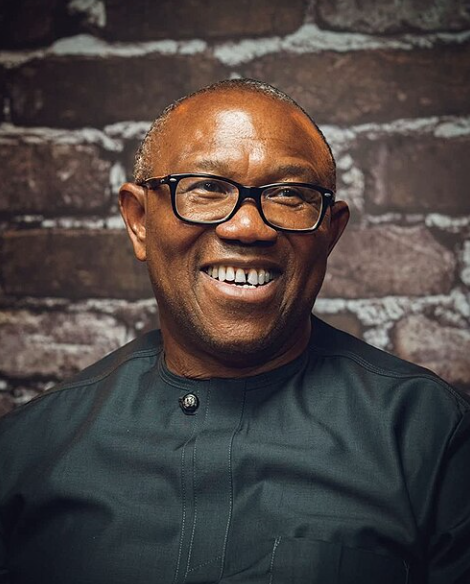
According to Peter Obi, he said, “The recent passage of the State Police Bill by the National Assembly marks a significant legislative milestone in addressing a long-standing demand of the Nigerian people.”
He added, “For years, many of us, alongside security experts and regional stakeholders, have consistently argued that a highly centralised policing structure is fundamentally unsuitable for a country as vast, diverse, and complex as Nigeria. However, the legislative and constitutional implementation appears shaky and raises legitimate concerns.”
Call for Strong Independent Oversight
Obi urged the creation of independent Police Service Commissions free from executive control. He stressed these commissions must protect state police from political interference to serve the public interest.
Warning on Potential Election Influence
In the ongoing conversation, Obi warned, “Going by what Nigerians have seen so far, there is no guarantee that this administration can resist the temptation to take advantage of state policing to influence the 2027 general election by proxy.”
He concluded, “In view of that possibility and the danger it poses to the polity, it is necessary to defer its implementation until after the general election. A New Nigeria is Possible.”
Criticism Mounts Against Peter Obi Over Resistance to State Police
Peter Obi faces criticism for opposing the state police bill, with detractors accusing him of prioritising personal ambition over national security. Critics argue his calls to delay implementation until after the 2027 election reflect political calculations rather than genuine public interest.
Some commentators believe Obi’s stance could undermine efforts to decentralise policing, which many see as vital to improving security. They suggest his resistance may fuel political tensions and stall reforms needed to tackle Nigeria’s growing insecurity.
Furthermore, opponents claim Obi’s warnings about political misuse of state police could be self-serving, aimed at limiting his rivals’ influence in key states. This perspective questions the sincerity of his calls for independent oversight, viewing them as a strategy to maintain political advantage. However, his position is not certain if his vice presidential candidate in the person of Alhaji Rabiu Kwankwaso shares it.
Despite these knocks, Obi maintains that his concerns address legitimate risks. Nonetheless, the debate highlights the complex intersection of security reform and electoral politics in Nigeria’s evolving democracy.

Ongoing Debate Over State Police Reform
State police remains a contentious reform issue. Advocates argue decentralisation improves intelligence, community policing, and response times. Critics fear governors may exploit police for partisan gains.
Senate’s Measures to Limit Abuse
The Senate added provisions to restrict political interference and establish independent oversight mechanisms. Despite this, political parties and civil society continue debating the bill’s timing and implementation.
Conclusion
Peter Obi’s resistance to the state police bill sparks debate over his motives, reflecting the complex mix of security reform and political ambition in Nigeria. Nonetheless, he has made a valid point even though the security of the nation supersedes any kind of politics.