
When Europe Kisses a Skull and Calls It Holy, Africa Holds Bones and Gets Branded Witchcraft
Prologue: One Action, Two Fates
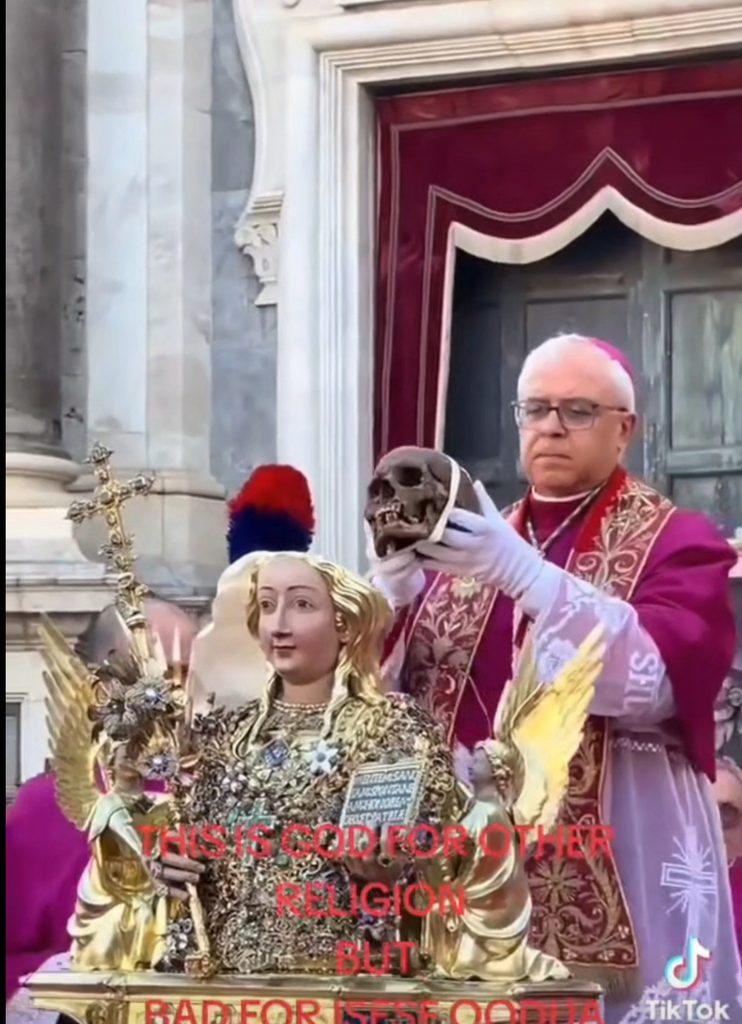
On August 16 and 17, 2026, in Catania, Sicily, Cardinal Secretary of State Pietro Parolin stood before a human skull—traditionally revered as the cranial relic of Saint Agatha—bowed, kissed it, and acivilised it with solemn pomp. Three thousand miles south, in a Ghanaian village, an Akan elder simultaneously lifted the preserved bones of his great-grandfather, sprinkled libation, and whispered prayers for ancestral guidance.
Indeed, Western media call the first act a “solemn tribute to millennia-old Christian tradition”. Nevertheless, the same civilisation, in the same century, once named the second act “idolatry”, “witchcraft”, and “savage superstition”.
Consequently, this article offers no theological debate. Instead, it offers a perspective deliberately ignored for centuries: the same human action, judged by two entirely different scales, crafted by the same civilisation.
Part One: The Catania Cranium – A Saint’s 900-Year Homecoming
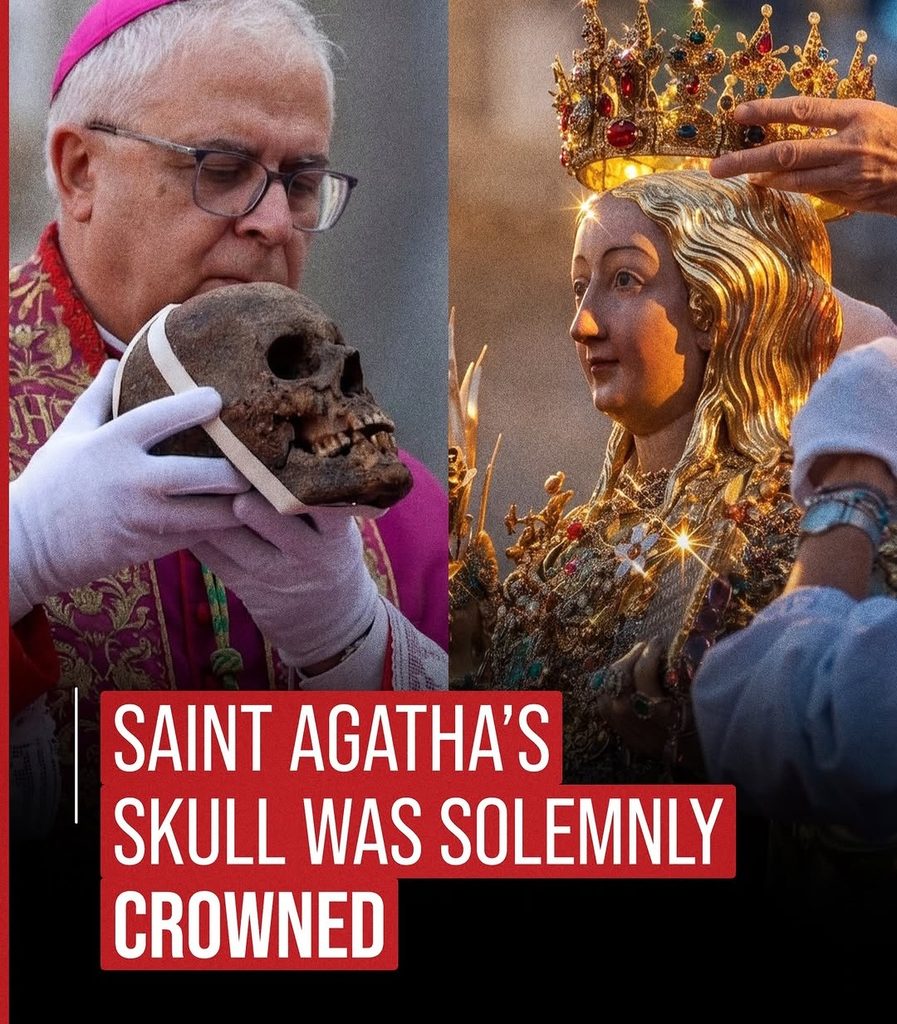
The Cardinal’s Kiss
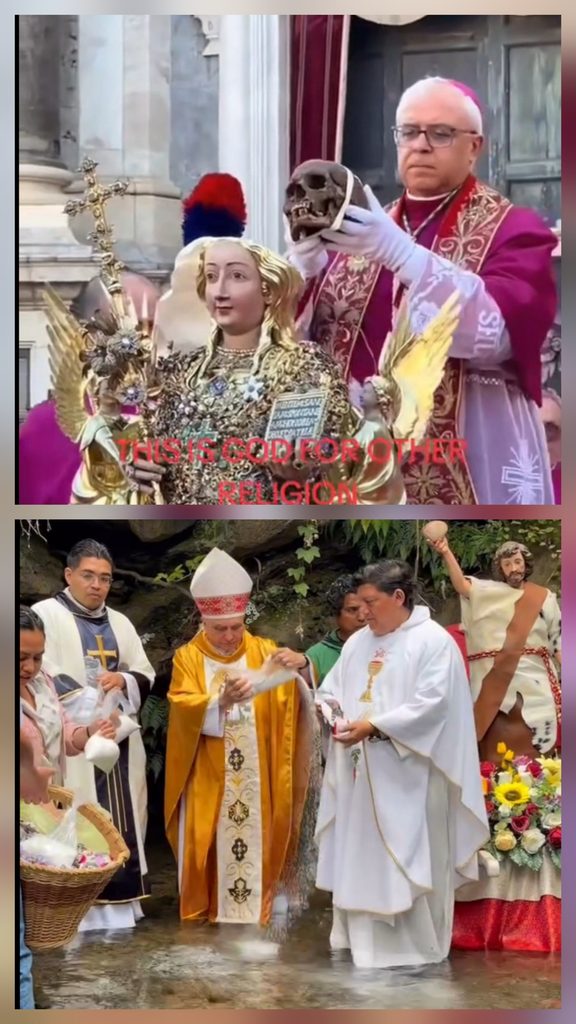
Video footage spread like wildfire across global social media. Specifically, it showed Cardinal Parolin, the Pope’s personal envoy, facing a human cranium. First, he executed a deep bow. Then, he placed a reverent kiss upon the bone. This skull belongs to Saint Agatha, a third-century Christian virgin who suffered martyrdom under Emperor Decius in 251 A.D. She remains the patroness of Catania. Furthermore, the ceremony marked the 900th anniversary of the relic’s return to Sicily from Constantinople, where Byzantine authorities had relocated it centuries earlier. Pope Leo XIV personally delegated Cardinal Parolin to represent the Holy See at this historic commemoration. Moreover, the Church normally encases the skull within an ornate silver and gold reliquary bust; however, it removed the relic temporarily for public exposition during the anniversary. As a result, this rare display sparked widespread online dialogue regarding sacred art, historical traditions, and the very nature of saintly remembrance.
The Official Catholic Explanation
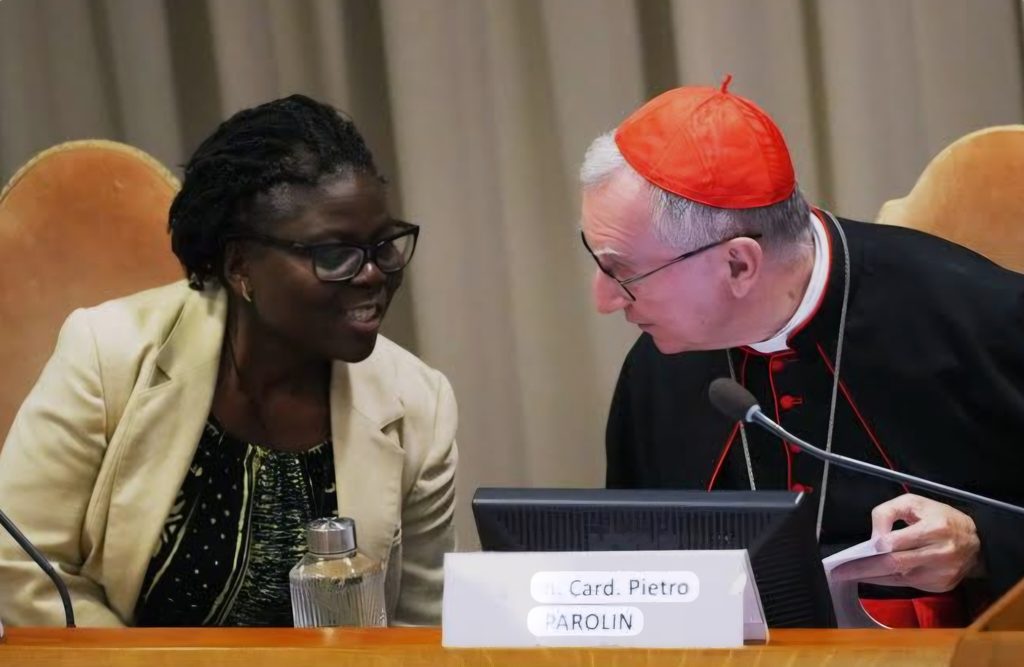
Catholic theology classifies the physical remains of canonised saints as “first-class relics”. For instance, the Second Vatican Council (1962–1965) reaffirmed in Sacrosanctum Concilium (Article 111) that venerating relics honours the wonders Christ works through His faithful servants. Additionally, it provides living models for believers to imitate. The Church draws a sharp line here: latria (absolute worship) belongs to God alone; dulia (veneration) is rendered to saints. Therefore, veneration is not worship, and it certainly is not idolatry.
The Ironic History: Reformers Called It “Superstition” Too
Nevertheless, a monumental irony lies buried beneath this official stance. The very practice Rome now solemnly defends faced the exact same accusations—but from fellow Europeans. In the sixteenth century, Protestant reformers condemned the veneration of relics as “superstitious” and “idolatrous”. John Calvin specifically called it “pollution” of true piety. Consequently, reformers argued that relic veneration “detracted from the proper devotion owed to God alone.” They also accused the Catholic Church of exploiting the faithful through cleverly forged relics. In some regions, angry crowds smashed reliquaries and scattered the bones of saints into the mud.
Let that sink in: Europeans themselves once judged this entire system as “superstition” and “idolatry”—until they decided to rebrand it as “tradition”.
Part Two: Salt, Water, and Exorcism – Ancient Roots, Same Accusations
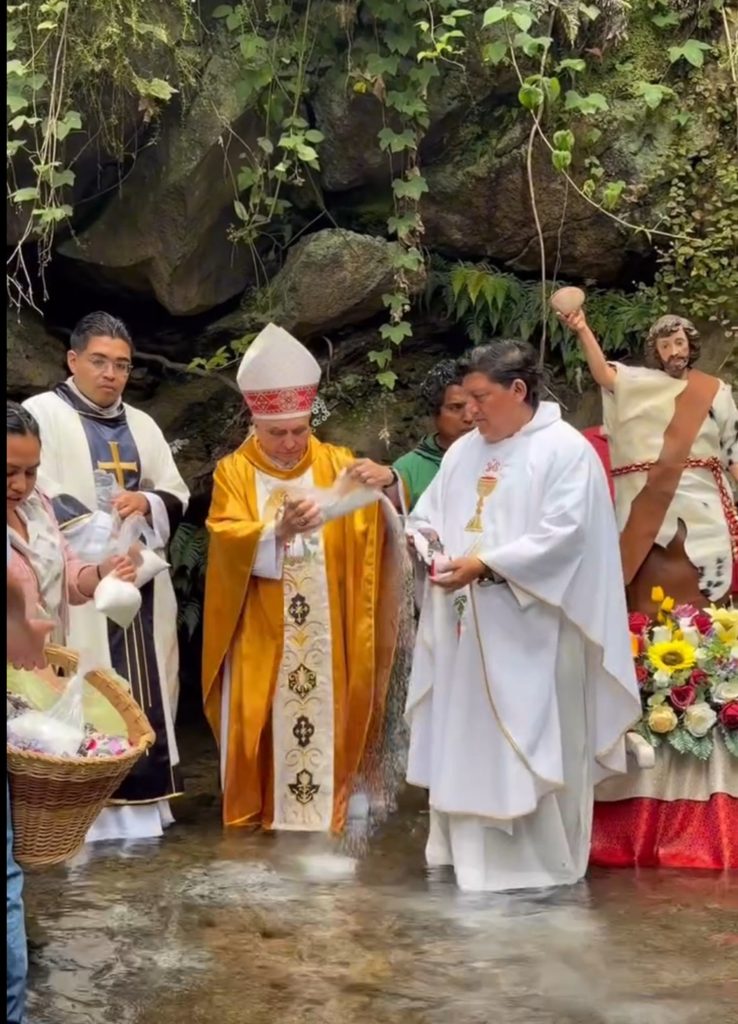
The Bishop Blessing the Stream
Concurrently, with the Catania skull exposition, another video circulated widely across digital platforms. Specifically, it showed a Catholic prelate standing beside an outdoor stream or natural water source. Furthermore, he performed a traditional exorcism and blessing. White powder—consecrated salt—poured into the water, thus creating what the liturgy terms “Holy Water”.
The Biblical Source and Theological Meaning
This ritual derives directly from the Old Testament account of the prophet Elisha in 2 Kings 2:19–22. According to Scripture, Elisha threw salt into a poisoned, foul spring to purify and heal its waters, declaring it healed by God. Consequently, in Catholic theology, this specific blessing transforms ordinary water into a sacramental—a sacred sign instituted by the Church. Moreover, its purpose is threefold: to implore God’s blessing, to drive away spiritual evil, and to spiritually purify the local environment or natural landmark. While most modern Catholic priests perform this blessing inside church sanctuaries, it remains historically and culturally common—especially across Latin America and Europe—for bishops and priests to travel to outdoor streams, rivers, or local water sources during special feast days or parish anniversaries.
The Mirror That Should Not Be Broken
Centuries ago, European missionaries arrived in Africa. Subsequently, they witnessed local communities performing purification rituals at rivers. They saw elders placing ancestral bones on altars. They heard prayers directed at departed chiefs and grandmothers. Their verdict was swift, absolute, and damning: “Heathenism.” “I idolatry.” “The work of the devil.” For instance, missionary Wilhelmus wrote in 1928 that ancestor veneration “carries within itself the seeds of its own death as a living religion.” Consequently, Europeans burnt nkisi (sacred power objects), smashed ancestral skulls, and declared, “Your ancestors are demons.” Then, ironically, they unpacked their own relics. They brought their own holy water. They introduced their own intercessors.
Part Three: They Copied It – Then Called the Original Evil
African Social Media Roars Back
Cardinal Parolin’s kiss on Saint Agatha’s skull ignited a firestorm across African Twitter, Instagram, and TikTok. Specifically, one Nigerian user expressed the collective sentiment with surgical precision: “If an African does this, people will say he is doing ‘Juju’ (witchcraft).” Notably, this is not mere anger. Indeed, this is an exact observation. One Action, Two Names – The Definitive Table European Practice African Practice Europe’s Verdict Venerating saintly relics (bones) Honouring ancestral remains Relics=Holy; Bones=Fetish Praying for saintly intercession Invoking ancestors for guidance: intercession= Orthodox; Invocation=Occult Holy Water purification rituals Water purification ceremonies Holy Water=Grace; Rituals=Paganism Saintly icons and statues Ancestral sculptures and altars: Icons= Sacred Art: Statues = Idols Consequently, one observer crystallised the hypocrisy: “White model = holy. Black model = evil. Same function. Different skin. Different judgement.”
The Colonial Cognitive Warfare

This was no innocent misunderstanding. On the contrary, this was systematic cognitive warfare. Missionaries understood a critical truth: sever a people from their ancestors, and you sever their identity. As a result, you make them easier to govern, easier to convert, and easier to exploit. Subsequently, they taught African children, “Your ancestors are in hell.” “Your rituals are satanic.” “Your past is darkness.” Nevertheless, historians note a glaring contradiction. When the Catholic Church spread through the Kingdom of Kongo, local populations accepted saintly relics and holy images precisely because they looked and functioned so similarly to their ancestral power objects and protective statues. Therefore, the African accepted Christianity because it felt familiar. Then the missionaries told them their familiarity was inherently evil.
Part Four: The Vatican’s Silence and Africa’s Awakening
The Official Technical Response
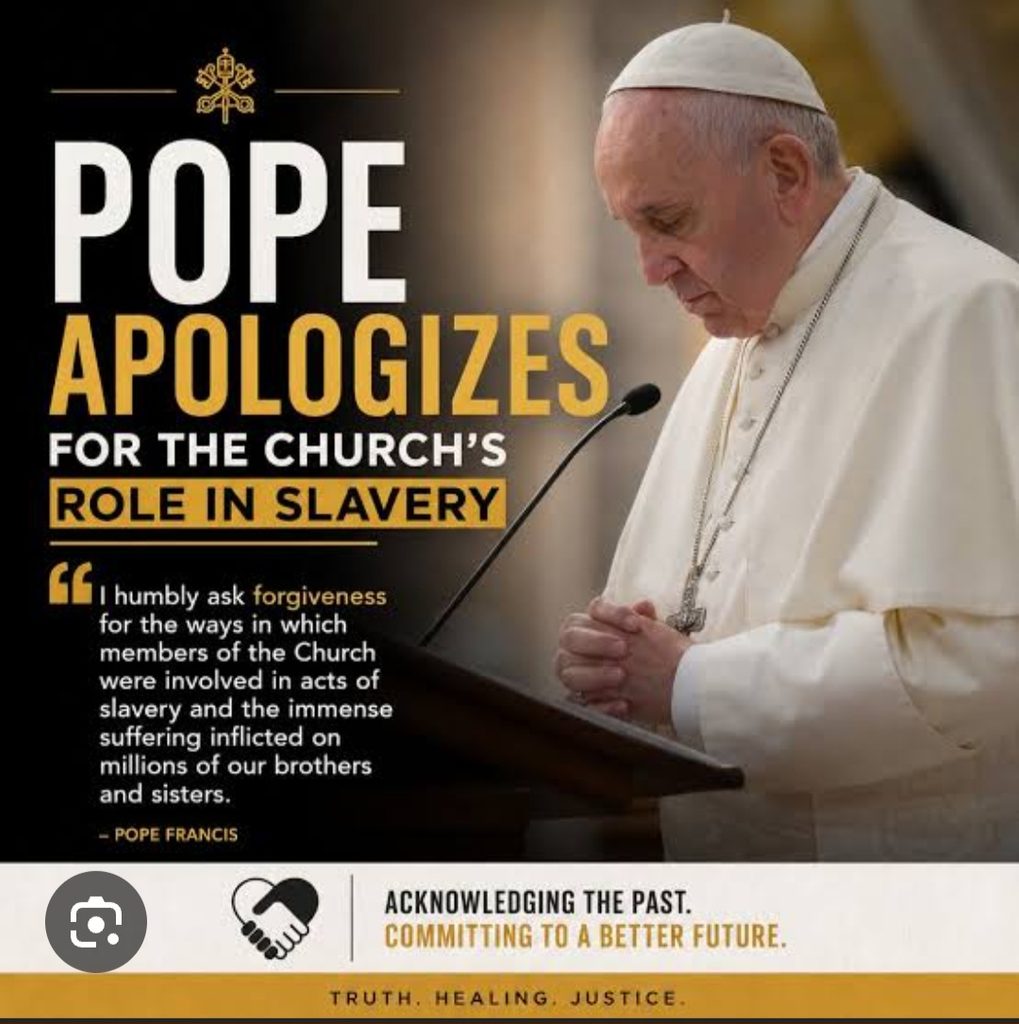
Pressed for comment on the viral controversies, the Vatican City State Governorate stated that restoration work on the reliquary necessitated the skull’s exhibition. Notably, this is a purely technical explanation. Nevertheless, it sidesteps the profound, screaming question: Why is the same action “tradition” in one context and “abomination” in another?
African Theologians Find Their Voice
Across the continent, African theologians are raising their voices with increasing boldness. Moreover, they pose a devastatingly simple question: If a “saint” is defined as a person who lived justly, walked intimately with the Divine, and now exists in the spiritual realm—then African ancestors meet every single criterion. “Saint Peter is accepted. Saint Mary is accepted. But Nana Akua, Nana Kofi, and Nana Yaa—these pillars of righteousness—are rejected?” a widely circulated commentary asked. “Not because they lack holiness. But because they lack European certification.”
The Vatican II Paradox
Furthermore, a bitter chronological irony lies hidden here. The Second Vatican Council (1962–1965) reemphasised the veneration of relics and the invocation of saints—precisely during the peak of African decolonisation movements, when newly independent nations were reclaiming their cultural heritage. Consequently, Europe re-embraced its ancestral bones at the exact moment it demanded Africans abandon theirs.
Part Five: The Verdict – When the Judge Becomes the Judged
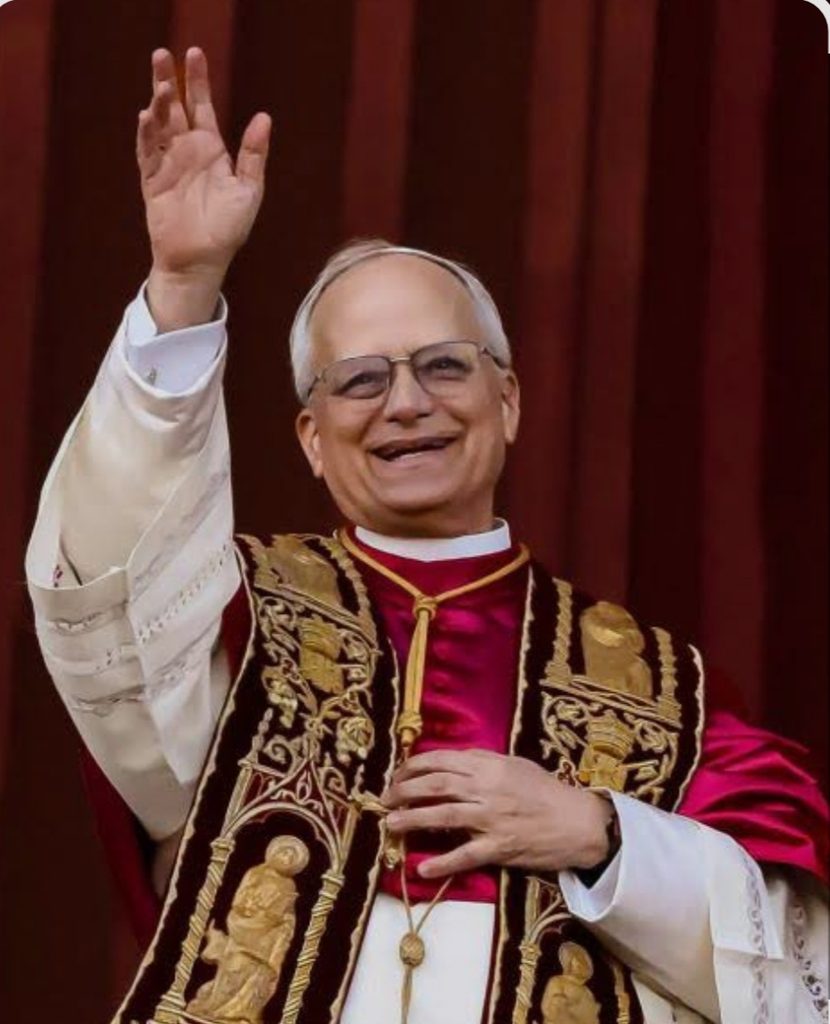
History brims with such staggering ironies. In the sixteenth century, European reformers called relic veneration “superstition”. In the nineteenth century, European missionaries called African ancestor veneration “paganism”. Now, in the twenty-first century, a European cardinal kisses a thousand-year-old skull on live television—and the global Church calls it “sacred tradition”. Meanwhile, an African elder who pours libation to his great-grandfather still risks being branded a “witch doctor”. Ultimately, this is not theology. This is power. The authority to define “religion” versus “superstition” and “sacred” versus “savage” has rested in European hands for five centuries. Nevertheless, that definitional monopoly is crumbling. African social media now broadcasts Catania’s rituals to millions in real-time. Consequently, the gaze is no longer one-way. The audience is no longer passive. This question—once whispered, now shouted—will not fall silent again. The gold reliquary will return to its safe. The ancestral grove will keep its silent vigil. However, the world has seen the comparison now. And the comparison does not favour the empire.
This is not theology. This is power.
The authority to define “religion” versus “superstition” and “sacred” versus “savage” has rested in European hands for five centuries. But that definitional monopoly is crumbling. African social media now broadcasts Catania’s rituals to millions in real-time. The gaze is no longer one-way. The audience is no longer passive. The question—once whispered, now shouted—will not be silenced again. The gold reliquary will return to its safe. The ancestral grove will keep its silent vigil. But the world has seen the comparison now. And the comparison does not favour the empire.