

What Riders and Drivers Lose as the Ride-Hailing Giant Reshapes Africa Strategy
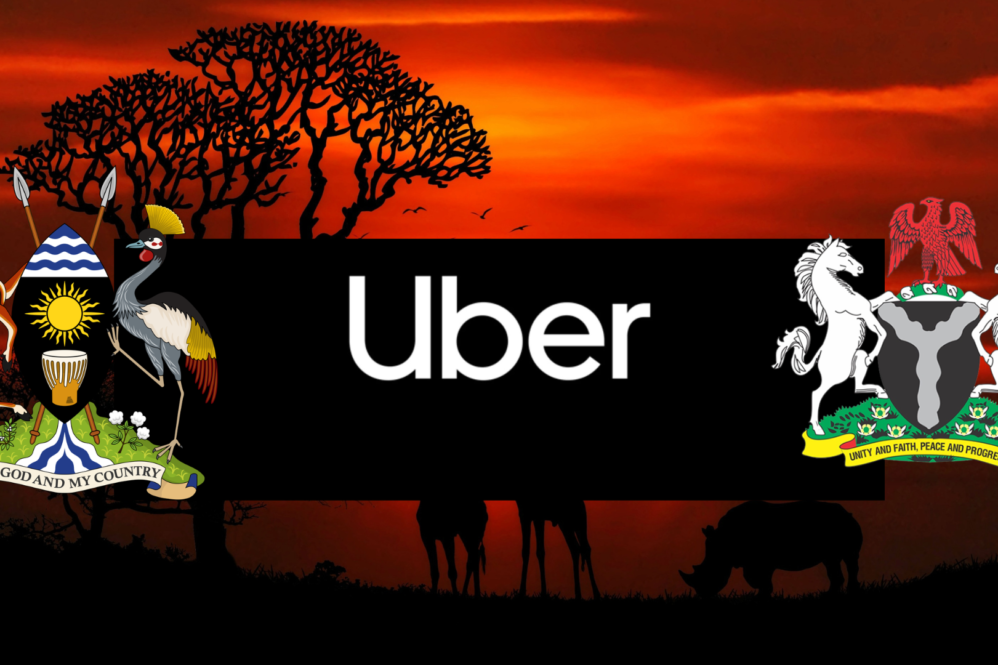
After 12 years in Nigeria and a decade in Uganda, Uber pulls the plug. The move signals a major strategic reset across the continent. Uber has officially ended ride-hailing operations in Nigeria and Uganda. The decision took effect on September 2, 2026. Customers and driver-partners received email notifications confirming the shutdown. This marks the close of a 12-year presence in Nigeria—one of Uber’s earliest African markets. Uganda, where the company operated for ten years, exits alongside it. The withdrawals are not isolated incidents. They form part of a broader recalibration of Uber’s African footprint. The San Francisco-based giant is pivoting toward autonomous vehicles. It is also streamlining its global structure and redirecting capital toward more sustainable markets. Simultaneously, Uber announced plans to eliminate approximately 3,300 jobs. That represents roughly 10% of its global workforce. The restructuring aims to flatten corporate layers and reduce organisational complexity.

Nigeria and Uganda Join a Growing List of African Exits
Uber’s departure from Nigeria and Uganda follows a clear pattern. Over the past 18 months, the company has exited several other African countries.
In Tanzania, Uber ceased operations on January 30, 2026. The exit came after nearly a decade of friction with the Land Transport Regulatory Authority (LATRA). Regulatory disputes over fare controls and commission caps proved central to that collapse. Authorities had slashed Uber’s commission from approximately 25% to just 15%. The company deemed that margin unsustainable.
Côte d’Ivoire followed in September 2025. Uber shut down its Abidjan operations after six years. The market was left to competitors, including France’s Heetch and Dubai-based Yango. The Ivorian exit highlighted the challenges global platforms face when adapting to local regulations.
These exits suggest a strategic shift. Uber is no longer pursuing aggressive geographic expansion across Africa. Instead, it is concentrating resources on markets with clearer paths to profitability.
What Drove Uber Out of Nigeria?
Uber has not detailed specific reasons for its Nigerian departure. The company attributed the decision to “evolving business priorities and investment focus across the continent”. However, industry analysts point to several compounding pressures.
Rising operational costs have squeezed both drivers and platforms. The removal of fuel subsidies in Nigeria has driven up fuel prices. Vehicle maintenance expenses have also climbed. Global oil supply disruptions have compounded the problem.
In March 2026, drivers across Uber, Bolt, inDrive, and LagRide staged a three-day shutdown. The protests occurred in Lagos and parts of Ogun State. Drivers demanded lower commission rates and better earnings. Uber acknowledged during that dispute that its platform supported approximately N6.1 billion in collective annual earnings for Nigerian drivers. That figure now stands to evaporate.
Regulatory friction has also intensified. The Lagos State Government has tightened oversight of ride-hailing platforms. Authorities now mandate real-time data sharing through direct API integrations. Non-compliance carries the threat of sanctions.
Driver unions have repeatedly protested commission rates of 25–30%. Safety concerns, earnings volatility, and sudden account deactivations have fuelled discontent.
Competitive pressure from rivals like Bolt and inDrive has further eroded Uber’s position. In Tanzania, Bolt reportedly commanded a network of more than 30,000 drivers. Uber had just 1,500 by the time of its exit. Nigeria presented a more competitive but equally challenging landscape.

The Bigger Picture: Uber’s Driverless Pivot
The African exits coincide with a fundamental strategic transformation at Uber. CEO Dara Khosrowshahi has outlined plans to invest more than $10 billion in robotaxis in the coming years, backing companies developing autonomous-driving technology and positioning Uber’s platform as a marketplace for driverless rides.The restructuring will reduce the number of employees positioned seven or more reporting layers below the CEO by 20%, while the number of teams with only one or two direct reports will be cut by nearly half. Fully remote roles are being reduced to approximately 1% of the workforce. This pivot reflects intensifying competition in autonomous mobility. Waymo continues to expand its robotaxi services beyond its Uber partnership, while Tesla pushes further into driverless transportation. For Uber, the rise of autonomous vehicles presents both an opportunity and an existential threat—its traditional model depends on connecting passengers with human drivers, and a large-scale robotaxi industry could fundamentally alter the economics of ride-hailing.
What Uber’s Exit Means for Nigeria and Uganda
For Nigerian and Ugandan passengers, Uber’s departure means one less option in an already strained urban transport system. However, competitors such as Bolt, inDrive, and local platforms including LagRide and Rida are poised to capture displaced riders and drivers. The company has stated that its dedicated Help Centre will remain accessible until September 23, 2026, to assist with final account settlements, dispute resolutions, and administrative balance closures. For drivers, the immediate impact is the loss of a major income source. Many operate across multiple platforms and may migrate to competitors, though the same cost pressures that affected Uber—high fuel prices, maintenance costs, and regulatory requirements—remain across the industry. Uber has emphasised that its withdrawal from Nigeria and Uganda does not amount to a continent-wide exit. The company says it remains committed to Sub-Saharan Africa and will continue investing in markets where it sees opportunities for sustainable growth. Nevertheless, the departure of a brand that helped establish app-based ride-hailing as a cornerstone of urban transport in Nigeria raises fundamental questions about whether the current ride-hailing business model can deliver sustainable returns in African markets amid persistent pressure on fares, operating costs, and regulatory compliance. For competing platforms, the opportunity is significant—but so is the challenge of making the economics of ride-hailing work better than Uber could.