
The Rumble in the Ring and the Rhythm of Fuji:
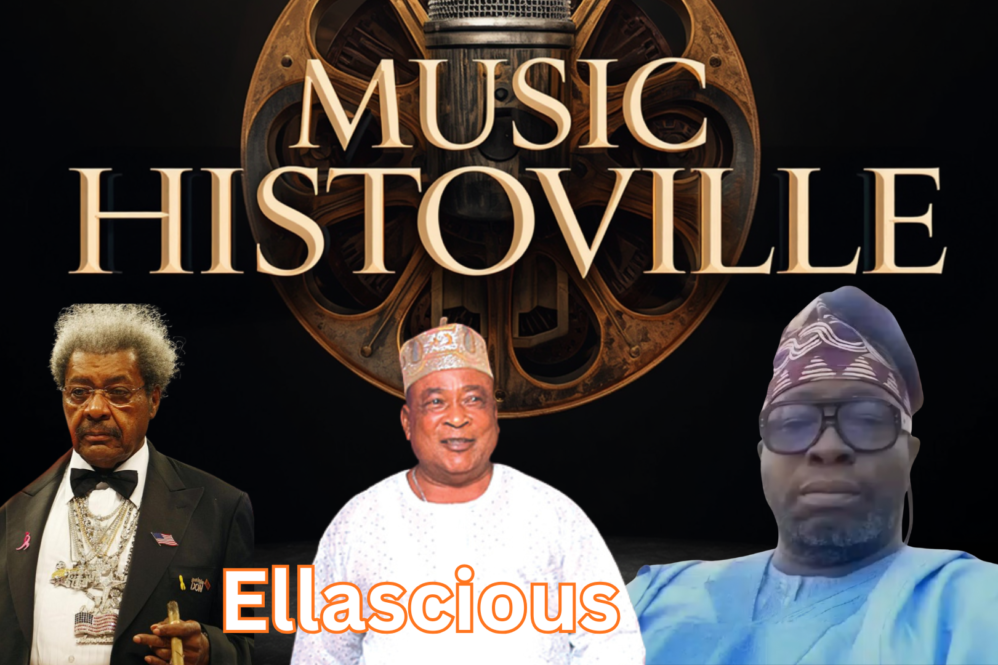
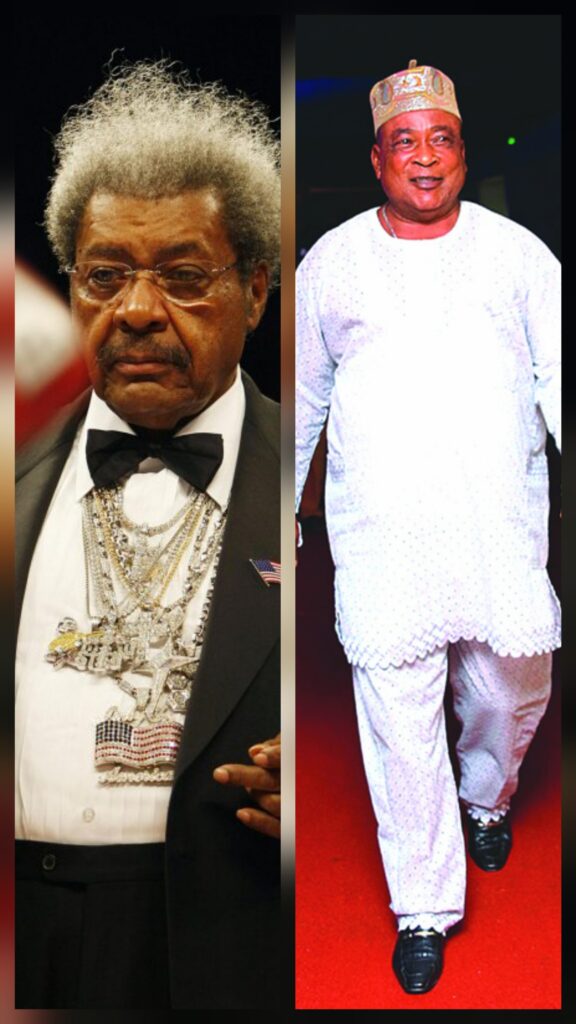
August 20 is a date that resonates across two very different worlds. In Cleveland, Ohio, a flamboyant boxing promoter was born who would redefine the sweet science. In Ilota, Nigeria, a musical pioneer entered the world who would give a generation its soundtrack. Don King and General Kollington Ayinla share this birthday. Their stories, though separated by oceans and industries, are bound by a common thread: the audacity to dominate their domains.
The Don: A Boxing Mogul Forged in Fire
Donald King entered the world on August 20, 1931, in Cleveland, Ohio. The fifth of six children, his father died in a workplace accident when Don was just ten. His mother sold peanuts and pies to support the family. Young Don learned the hustle early. He briefly attended Kent State University but dropped out. Then, he ran an illegal bookmaking operation. This path led to violence and incarceration. In 1967, authorities convicted him of second-degree murder for stomping an employee to death over a $600 debt. He served nearly four years before the court reduced the conviction to voluntary manslaughter.
The Rise of a Promoter
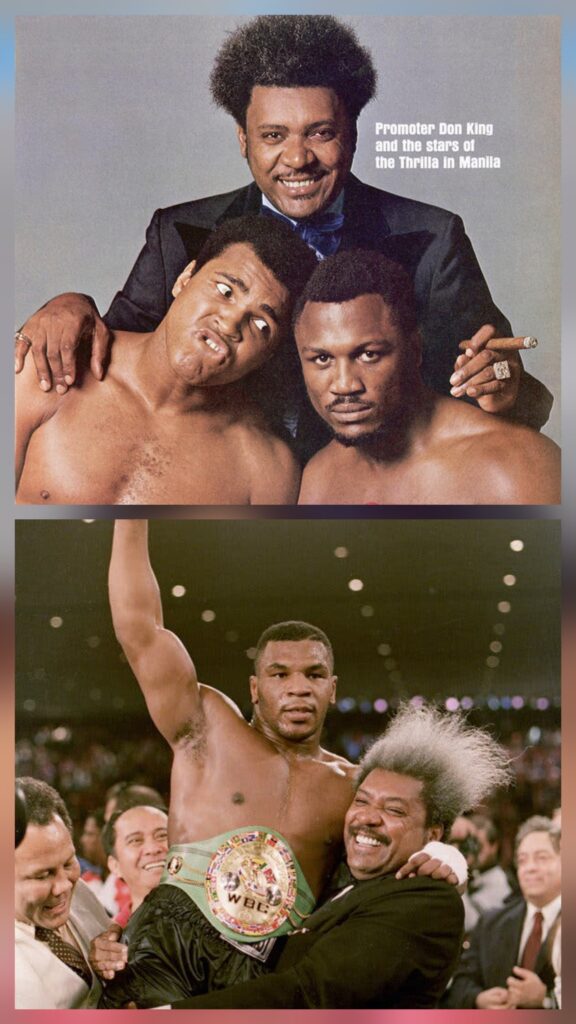
This turbulent past did not define his future. After his release, King ventured into boxing promotion. In 1974, he secured the rights to promote the “Rumble in the Jungle” between Muhammad Ali and George Foreman in Zaire. It was a masterstroke. He guaranteed both fighters $5 million, a record at the time. The fight became a global spectacle. The following year, he promoted the “Thrilla in Manila”, the epic third bout between Ali and Joe Frazier. King had arrived. His roster reads like a hall of fame: Muhammad Ali, Joe Frazier, George Foreman, Larry Holmes, Mike Tyson, Evander Holyfield, Roberto Duran, and Julio César Chávez, among many others.
Controversy and Legacy
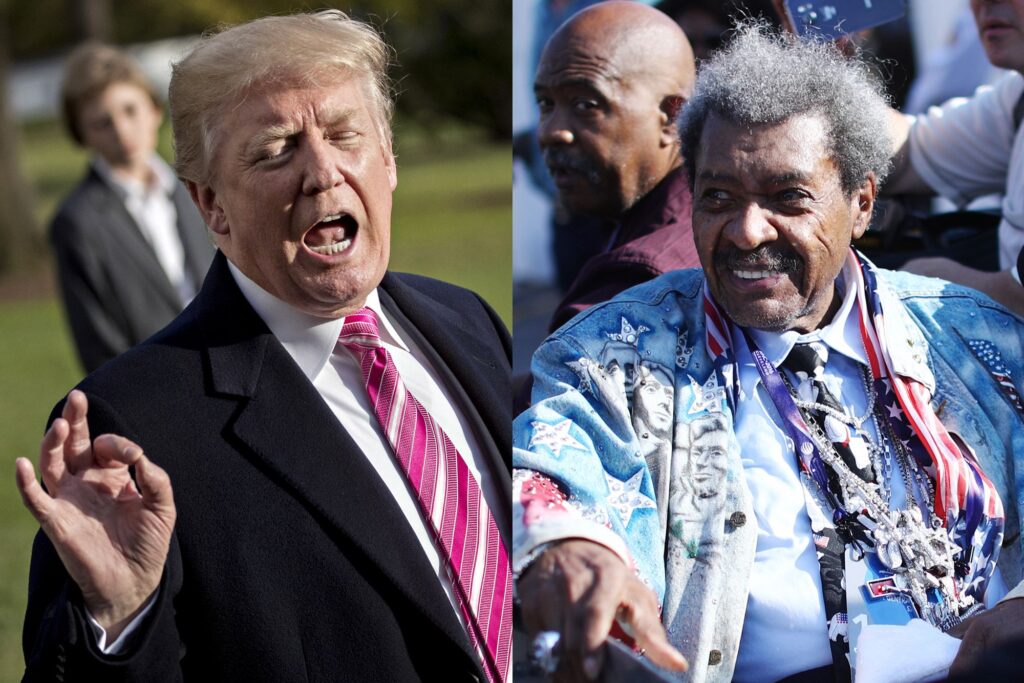
He became the first major Black promoter, controlling the heavyweight title for much of the late 1970s and 1980s. His flamboyant style and gravity-defying hair made him a media personality as famous as the fighters he promoted. However, his career was not without controversy. Many of his fighters sued him for fraud. Mike Tyson once said, “He did more bad to Black fighters than any white promoter ever in the history of boxing.” Despite this, King’s impact on boxing is undeniable. He turned the sport into a global, pay-per-view phenomenon. Today, Don King turns 95. His legacy is as complex as the man himself: a brilliant promoter, a controversial figure, and an indelible part of sports history.
The General: A Pioneer of the Fuji Sound
On the same day in 1949, Abdulrasaq Kolawole Ilori was born in Ilota, a town on the outskirts of Ilorin, Kwara State, Nigeria. He would become known to the world as General Ayinla Kollington. Born to Chief Ayanda Ilori, a kingmaker, and Alhaja Asiawu Mofodeke Ilori, he is also known by his praise names: Baba Alatika, Kebe-n-Kwara, and Baba Alagbado.

Early Life and Rise to Fame
Kollington is a pioneer of Fuji music, a genre that emerged in the 1970s. Alongside his friend and rival, Alhaji Sikiru Ayinde Barrister, he is considered one of the two most important artists to dominate the genre from its inception through the 1990s. Fuji is a dance music that combines traditional Muslim vocal and percussion elements with a more modern, roots-based sound. Kollington’s career took off in 1974 when he began recording for Nigerian EMI. In 1978, he gained a pronounced lead over his rival Barrister. He introduced the powerful bata drum to Fuji music. This was a game-changer. Before this, Fuji relied almost exclusively on talking drums. The bata drum added a new layer of rhythm and power that captivated audiences.
The Bata Drum Revolution
In 1982, he set up his own label, Kollington Records. Over the next five years, he released an astonishing 30 albums. He has recorded over 50 albums throughout his career. His music is known for its social commentary, storytelling, and complex percussion. Kollington’s influence extends beyond music; he is a cultural icon. He remains active, a living legend who has shaped the sound of a nation. Today, General Kollington Ayinla turns 77. His rhythms continue to echo across Nigeria and the diaspora.
From the Ring to the Rhythm: An Analysis
Why share the Don King story alongside Kollington Ayinla? The connection lies in the shared vocabulary of combat and spectacle. Kollington’s career mirrors the trajectory of a champion boxer in several profound ways. The boxing promoter’s story provides a powerful metaphor.
The “Boxer” Mentality in Fuji

Kollington often referred to himself as an unyielding boxer or warrior in interviews and track verses. He was ready to trade verbal and rhythmic blows with rivals. This was not mere bravado. His music was a form of lyrical combat, where each release was a strategic move to dominate the charts and the hearts of his fans.
Fierce Rivalries
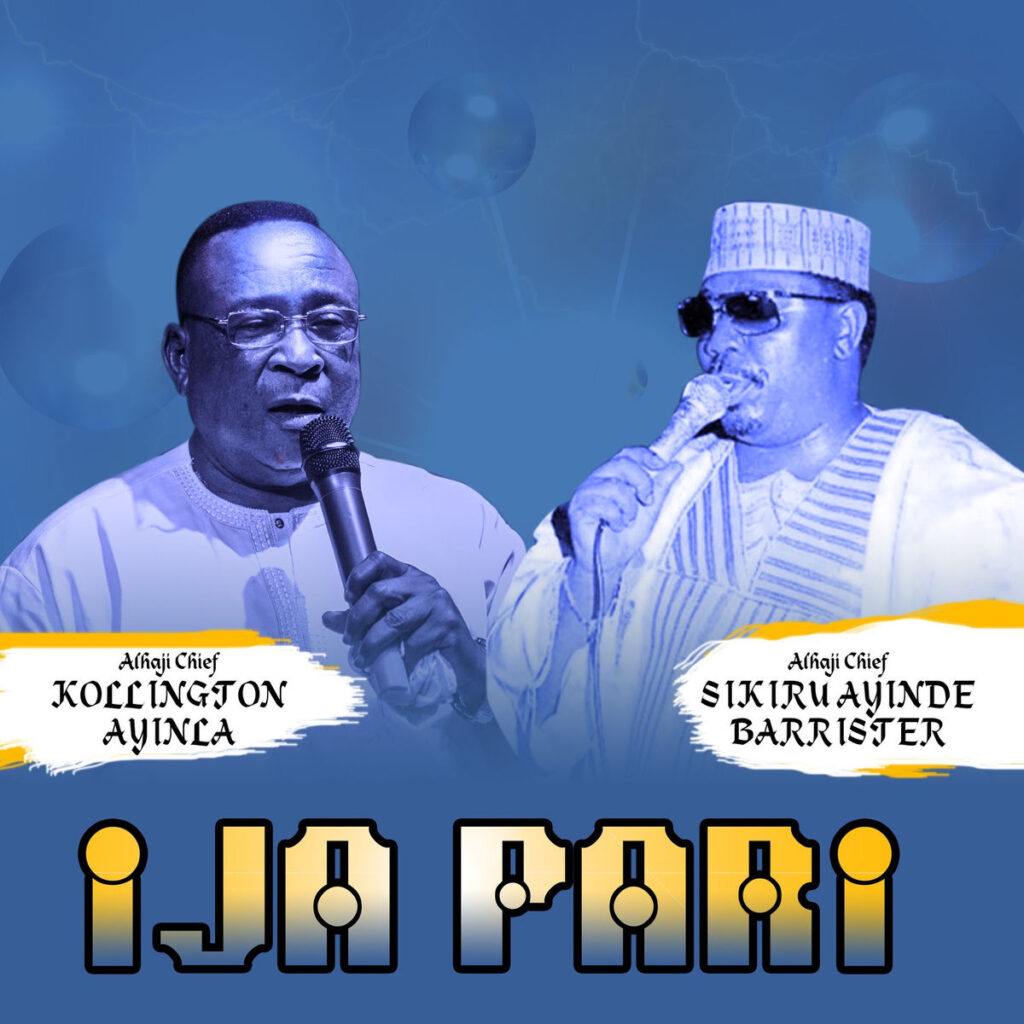
In the 1970s and 1980s, his intense musical and commercial supremacy battles with Sikiru Ayinde Barrister were treated by fans like high-stakes championship prize fights. Later, his verbal sparring with Salawa Abeni added to this legacy. The public eagerly awaited each new album as if it were a title bout. This is where the Don King analogy becomes essential. Just as King promoted the greatest fights, Kollington promoted himself as the undisputed champion of a musical genre.
The Promoter’s Parallel
King’s role was to create spectacle, to build narratives around fighters, and to sell drama. Kollington, in his own way, did the same. He constructed a persona as a “General,” a warrior leading his musical battalion into battle. His promotional tactics, from his stagecraft to his public statements, borrowed heavily from the language of boxing. Therefore, both men understood the power of showmanship and the importance of a compelling rivalry.
A Shared Birthday, Two Worlds Collide
Don King and General Kollington Ayinla were born on the same day, 18 years apart. One shaped the spectacle of sport; the other defined the rhythm of a people. King brought the world’s attention to the boxing ring with a roar, while Kollington captivated audiences with a beat. Consequently, the thread that connects them is the “boxer” mentality—an unyielding spirit that thrives on competition and the adoration of the crowd.
Both are pioneers in their fields, and both are survivors who rose from humble beginnings to become icons. Their shared birthday is a reminder that greatness can emerge from any corner of the world. Ultimately, August 20 is a day to celebrate two very different, yet equally powerful, forces of nature.
Both are pioneers in their fields, and both are survivors who rose from humble beginnings to become icons. Their shared birthday is a reminder that greatness can emerge from any corner of the world. August 20 is a day to celebrate two very different, yet equally powerful, forces of nature.