

From a Yaba launch pad to a pan-African ambition, a Berkeley dropout builds the asset-light startup aiming to create West Africa’s answer to WeChat.
LAGOS, Nigeria – A nineteen-year-old Thiel Fellow raised one of Nigeria’s largest seed rounds for a solo founder. Aubrey Niederhoffer, a U.C. Berkeley dropout and $100,000 Thiel Fellowship recipient, secured $7.3 million for Swoop. Swoop, a Lagos-based startup, builds an all-in-one “super app” for African consumers. Leading Silicon Valley and crossover investors, including Long Journey Ventures, Soma Capital, Variant, and several angel backers, participated in the round.
Niederhoffer’s age and raise amount sparked excitement in Lagos’s Yaba tech hub. Swoop quietly started operations in the area. The startup uses food delivery as its entry point into the market. Later phases will add groceries, payments, and ride-hailing services.
Swoop employs an asset-light model, partnering with existing logistics providers and merchants instead of owning riders or restaurants. Asian super apps used this playbook to scale rapidly. This strategy minimizes heavy capital expenditure while maximizing growth potential.

From Eswatini to Lagos: A Strategic Relocation.
Swoop did not originally launch in Lagos. Instead, it started in Eswatini in August 2025 as a small-scale delivery pilot. Within months, Niederhoffer decisively pivoted to relocate the team. Nigeria’s commercial hub attracted them due to its vast market size. Nigeria’s GDP surpasses Eswatini’s by more than 200 times.
This move offers greater growth opportunities and market potential. Consequently, the team focused efforts on Nigeria’s dynamic tech ecosystem. The relocation marks a strategic shift to scale rapidly. Swoop aims to leverage Nigeria’s large consumer base for expansion.
Niederhoffer reportedly told investors during fundraising, “The ambition was always to build for the continent’s biggest economy. Eswatini was a proving ground. Lagos is the real fight.”
The team already started operations in Yaba, Lagos’s famous tech cluster known as “Yabacon Valley.” Initially, Swoop offers food delivery services. The team prioritizes speed and reliability. Major competitors like Bolt Food, Chowdeck, and Glovo struggle with these metrics. Lagos’s chaotic traffic and complex addressing system pose significant challenges.
Therefore, Swoop aims to outperform incumbents by solving these issues. This approach targets improving customer satisfaction and market share. Consequently, Swoop positions itself as a strong contender in Lagos’s delivery market.
Who Is Aubrey Niederhoffer?
Aubrey Niederhoffer defies the typical nineteen-year-old entrepreneur mold. He dropped out of UC Berkeley after one year. In 2025, he won the prestigious Thiel Fellowship. Billionaire Peter Thiel founded the program, which awards $100,000 to young innovators.
The program supports those who skip or leave college to build transformative companies. Past Fellows include founders of Lattice, Scale AI, and Figma. This fellowship highlights Aubrey’s exceptional potential and vision. Consequently, early recognition followed in the tech ecosystem. This background fuels his drive to build Swoop successfully.
Niederhoffer gained early experience at a Y Combinator-backed logistics startup and briefly worked as a product intern at a Nigerian fintech firm. There, he developed the kernel of the Swoop idea. Backers frame his age not as a liability but as a competitive advantage. They see him as deeply fluent in the mobile-first habits of Gen Z Africans, Swoop’s primary target demographic.
One investor told this reporter on condition of anonymity, “Aubrey thinks in super-app terms because he grew up watching WeChat and Grab eat entire industries. That instinct isn’t easily taught.”
The Super App Playbook: Why Africa, Why Now?
The “super app” model thrives in Asia. WeChat (China) began as messaging and then added payments, shopping, ride-hailing, and hundreds of mini-programs. Grab (Southeast Asia) started with taxi hailing and now offers food, payments, insurance, and hotel bookings. GoTo (Indonesia) followed a similar path.
In Africa, no company has fully executed this super app strategy yet. OPay combined payments, ride-hailing, and delivery but achieved only partial success. Similarly, Sendy integrated logistics and marketplace services with limited impact. However, none created the network-effects flywheel seen in Asia.
Therefore, the African market still awaits a dominant super app. Swoop aims to fill this gap with its comprehensive approach. This opportunity presents significant growth potential for the right player. Consequently, investors closely watch companies attempting this model in Africa.

Swoop’s thesis is being built on three observations:
Nigeria boasts high smartphone penetration with over 100 million internet users, mostly on mobile devices. Additionally, daily services like food delivery, ride-hailing, and bill payments remain fragmented across separate apps. Therefore, a unified interface could win by offering greater convenience. Furthermore, Swoop employs an asset-light model by not owning physical assets.
This approach allows rapid iteration and reduces capital intensity. Consequently, Swoop avoids pitfalls that ended earlier African logistics startups. This strategy enhances scalability and operational flexibility. Overall, these factors position Swoop for success in Nigeria’s market.
The team treats food delivery as the “on-ramp.” They plan to add groceries within six to nine months. Ride-hailing and P2P payments will roll out in late 2026 or early 2027. Multiple sources confirmed the team is applying for a fintech licence.

The Competitive Landscape: Entering a Crowded but Fragmented Market
Nigeria’s food delivery market is not empty. Chowdeck, backed by Y Combinator, has grown rapidly in Lagos and Abuja. Bolt Food benefits from Bolt’s ride‑hailing network. Glovo has struggled but remains present as several local players operate in specific neighbourhoods.
Swoop is attempting to differentiate through logistics intelligence rather than pure subsidy. A proprietary routing algorithm is being tested that uses real‑time traffic data from crowd‑sourced drivers. Lower delivery fees are being targeted without burning cash on per‑order discounts—a strategy that has failed for many well‑funded startups across Africa.
“The graveyard of African tech is filled with companies that raised too much too early and spent it on discounts rather than unit economics,” said a Lagos‑based venture partner not involved in the round. “Niederhoffer is being very disciplined about burn. That’s unusual for a nineteen‑year‑old.”
However, competitive pressure in Nigeria’s tech ecosystem remains intense. High-profile exits like Paystack’s $200 million acquisition by Stripe attract global attention. Similarly, Flutterwave’s sustained growth highlights Nigeria’s market potential. Conversely, failures such as 54gene, Sendy, and Dash show risks despite significant funding. Therefore, investors remain cautious about startup sustainability.
Swoop’s backers believe its asset-light, super-app model will avoid these pitfalls. This thesis emphasizes scalability and efficient capital use. Consequently, they expect Swoop to succeed where others failed. The company faces challenges but holds strong investor confidence.
The $7.3 Million Seed: Terms and Use of Funds
The seed round used a simple agreement for future equity (SAFE) structure. Multiple sources estimate the valuation cap between $35 million and $45 million. This figure is unusually high for a pre-revenue, pre-MVP Nigerian startup. The round closed in March 2026 but only disclosed publicly this week.
The timing reflects strategic considerations around investor relations and market positioning. Overall, the round signals strong investor confidence in Swoop’s potential. This funding provides a solid foundation for future growth and development. Consequently, the startup moves closer to launching its full product suite.
Funds are being allocated as follows:
First, focus on product development by building the Android-first app, then add iOS later. Next, integrate payment gateways carefully. Also, develop the logistics algorithm for efficient operations. Then, expand the market from Yaba to mainland Lagos, including Ikeja, Surulere, and Gbagada by Q3 2026. Afterward, target Abuja expansion by early 2027.
Meanwhile, prioritize talent acquisition by hiring engineers, product managers, and a head of logistics. All hires will be based in Lagos. Finally, address regulatory and legal matters by securing fintech licenses and ensuring data protection compliance. This structured approach balances growth, talent, and compliance effectively.
No part of the $7.3 million is being allocated to customer acquisition subsidies, Niederhoffer confirmed in a memo to investors. “Growth will be organic and referral‑based,” he wrote. “Subsidies create fake loyalty.”

Timeline and Next Milestones
First, the Yaba food delivery launch completed in April 2026 successfully. Next, plan mainland Lagos expansion by Q3 2026. Then, add the grocery vertical between Q4 2026 and Q1 2027. Afterward, start the ride-hailing pilot in Q2 2027. Additionally, launch P2P payments and fintech modules in the second half of 2027. Meanwhile, target Abuja launch in early 2027.
The immediate priority remains achieving product-market fit in Yaba before expanding geographically or vertically. Track daily active users and repeat order rates as key North Star metrics. Finally, pursue a Series A round in mid-2027 if Yaba cohort shows positive unit economics. This sequence ensures measured growth and validation.
Investor Rationale: Why Long Journey Ventures and Variant Bet on a Teenager
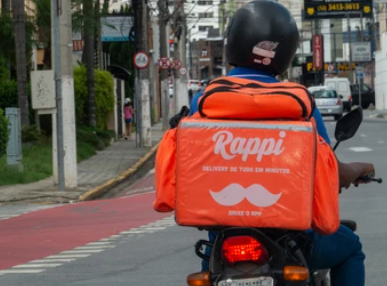
First, Long Journey Ventures, David Sacks’ family office, led the funding round. Sacks is known for early investments in Uber, SpaceX, and Airbnb. Next, Variant, co-founded by Jesse Walden, focuses on crypto and consumer social apps. Meanwhile, Soma Capital, led by Aneel Ranadive, backed Rappi and Plaid.
The common thread connects these firms through super app success in difficult emerging markets. For example, Rappi grew from delivery to fintech in Colombia and Mexico. Swoop aims to be the Rappi of West Africa with a younger, leaner, capital-efficient model.
Additionally, Niederhoffer’s Thiel Fellowship status influenced the round. The fellowship’s tight-knit network included several Thiel alumni as angel investors. An investor explained, “Aubrey was vetted by a system that has produced billion-dollar founders before.” They added, “That de-risks the age question.” This support strengthens confidence in the venture’s potential.

Risks and Scepticism
Not everyone is convinced. Critics point to several challenges:
First, Lagos faces logistics chaos due to inconsistent address systems and unpredictable traffic. No startup has solved this fully. Next, Nigerian consumers may experience super app fatigue, preferring specialized apps that excel at one function.
Additionally, regulatory uncertainty complicates fintech integration, requiring multiple licenses from CBN and NITDA. Meanwhile, competitors like Chowdeck and Bolt Food have deeper pockets and established user bases. They can sustain a price war if needed. Furthermore, asset-light models depend on reliable partner merchants and logistics providers. In Lagos, reliability is not guaranteed.
A single restaurant partner’s failure could cascade into poor user experiences beyond Swoop’s control. Niederhoffer acknowledged these risks in a statement: “Every challenge in Lagos is also an opportunity. A perfect market would already have a winner. This one doesn’t. That’s why we’re here.” This mindset drives Swoop’s determination to succeed despite challenges.

Outlook: Can a Teenager Build Africa’s WeChat?
The question over Swoop is not if $7.3 million suffices—it’s whether a nineteen-year-old can outmaneuver rivals. His defenders compare him to Patrick Collison, who co-founded Stripe at 19. They also cite Brian Chesky, who launched Airbnb at 27. Furthermore, Ritesh Agarwal founded OYO at 17.
They argue age is irrelevant when paired with hunger, intelligence, and a supportive board. What no one disputes is the market size’s vast potential. Nigeria’s digital economy may reach $88 billion by 2030, per World Bank and NBS reports. Capturing just 5% would make Swoop a multi-billion-dollar company. Meanwhile, all eyes focus on a small Yaba corner.
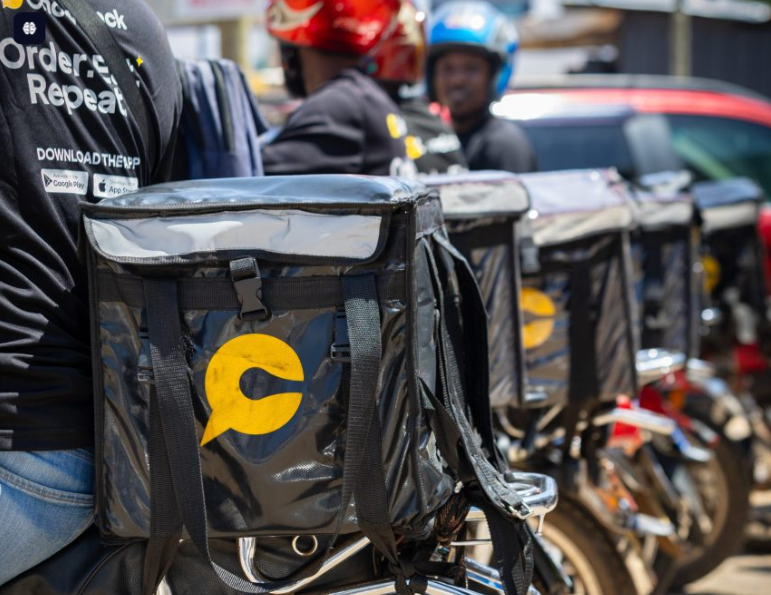
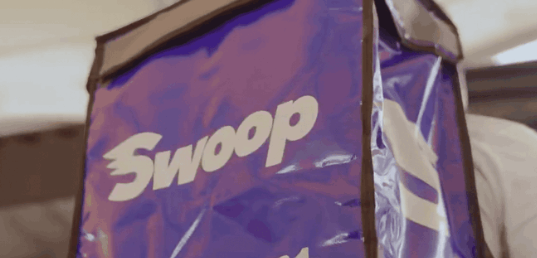
Swoop’s orange delivery bags appear on contracted motorbikes. Orders flow in, and feedback is collected regularly. A teenage Thiel Fellow learns if his vision can survive Lagos streets. Additional reporting comes from our tech correspondent. Data sources include World Bank (2025) and NBS. Investment details come from CAC filings and anonymous sources.