

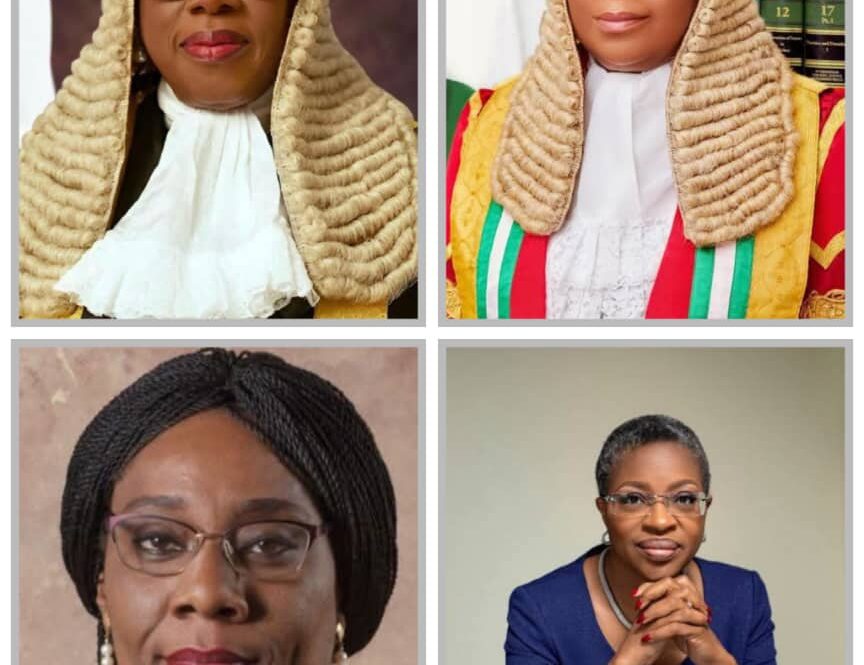
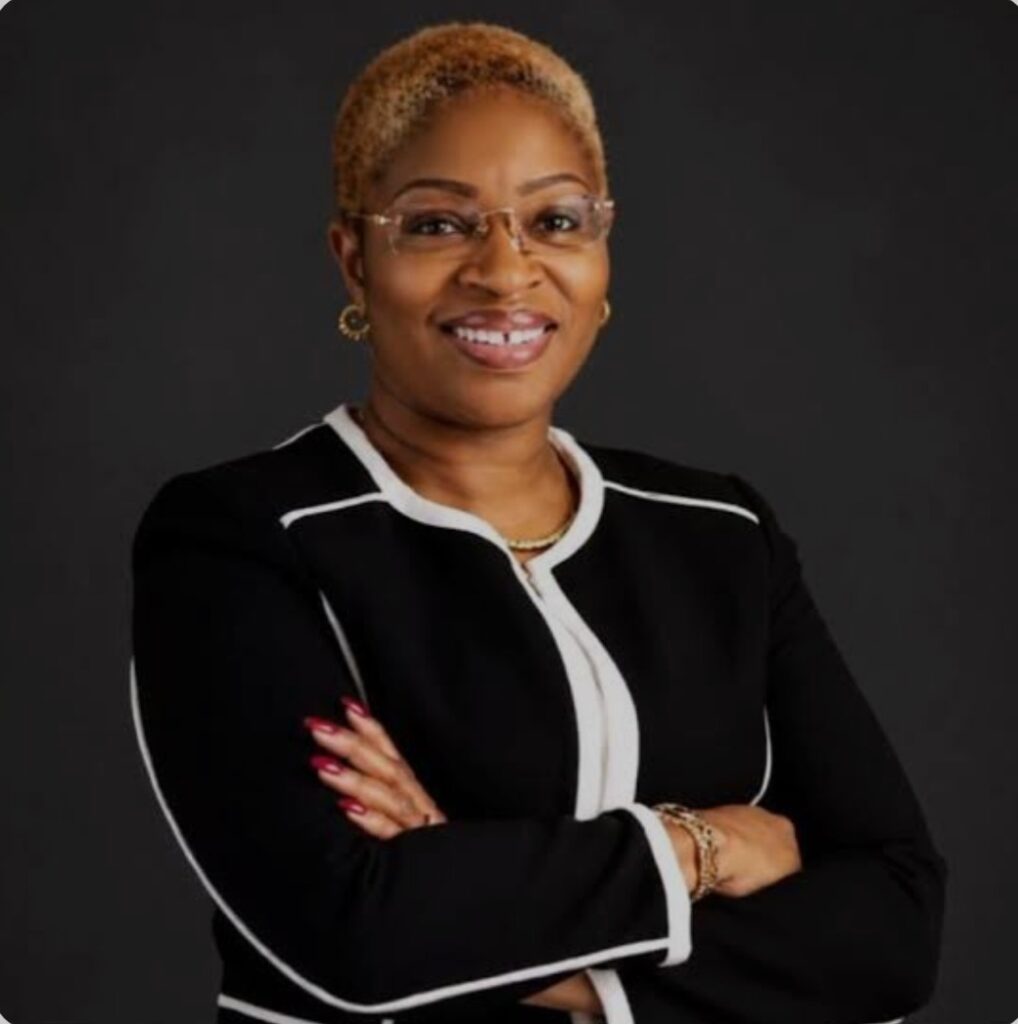
Nigeria is witnessing a seismic shift in its judicial and legal order. For the first time in the nation’s history, women simultaneously hold the four most powerful positions across the judiciary, the appellate court, legal education, and the bar association. This historic convergence represents a transformative moment for Africa’s largest democracy and signals a new era of inclusive governance.
The Architect of Justice: Chief Justice Kekere-Ekun
Hon. Justice Kudirat Motonmori Olatokunbo Kekere-Ekun, GCON, stands as the 23rd Chief Justice of Nigeria, the second woman to attain this pinnacle since Justice Aloma Mukhtar broke the glass ceiling in 2012. Born in London on May 7, 1958, to a prominent Lagos family, she was the daughter of Senator Hassan Adisa Babatunde Fasinro—a legal practitioner and one of Lagos’s founding fathers. She grew up as the eldest of eleven siblings in a polygamous home, where she learned discipline and integrity early in life.
Her legal journey commenced at Queen’s College, Lagos, before she earned her LL.B. from the University of Lagos in 1980. Called to the Bar in July 1981, she later obtained an LLL.M. from the London School of Economics, equipping her for a distinguished career. She began her judicial service as a Senior Magistrate Grade II in Lagos State in December 1989, progressing to High Court Judge in July 1996. Her elevation to the Court of Appeal came in September 2004, where she served as pioneer Presiding Justice of the Makurdi Division, before ascending to the Supreme Court in July 2013.
The Second Pillar: President of the Court of Appeal
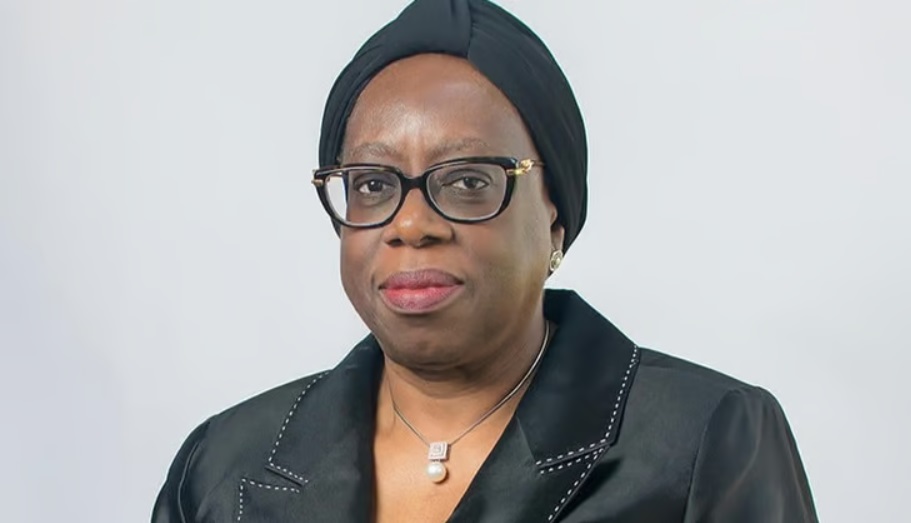
Hon. Justice Monica Bolna’an Dongban-Mensem leads the Court of Appeal as its President, making her the second woman to hold this office. Born on June 13, 1957, to a family of judicial pedigree—her father, M.B. Douglas-Mensem, was a retired Appeal Court Justice—she hails from Shendam Local Government Area of Plateau State. She earned both her LL.B and LL.M degrees from Ahmadu Bello University, Zaria. Before her elevation to the Court of Appeal in 2003, she served as Deputy Chief Registrar and later as a Judge of the High Court of Justice in Plateau and FCT judiciaries. She was sworn in as President of the Court of Appeal on June 19, 2020, and has since advocated for judicial reforms, improved welfare for judges, and decried the overwhelming backlog of electoral matters consuming the court’s resources.
The Educator of the Profession: Dr Odusote
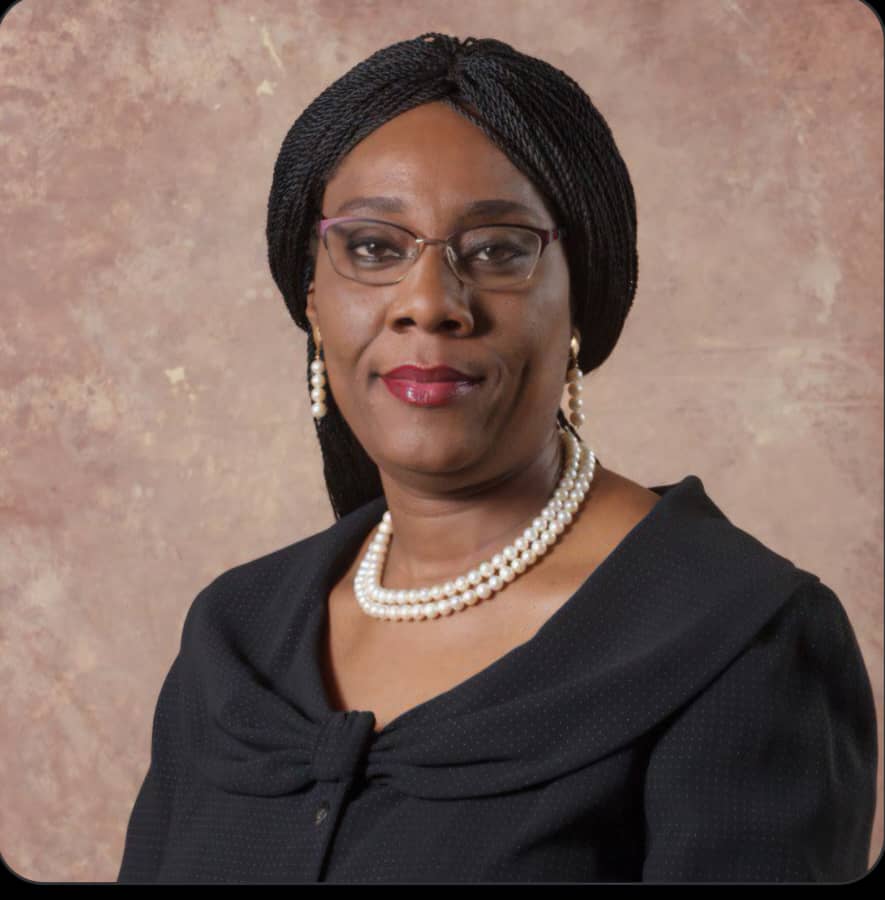
Dr Olugbemisola Titilayo Odusote shattered a 64-year-old glass ceiling in January 2026 when President Bola Tinubu appointed her as the first female Director-General of the Nigerian Law School. At 57, she brings over two decades of experience within the institution, having joined as a lecturer in 2001 and risen to Deputy Director-General and Head of the Lagos Campus. She holds an LL.B from Obafemi Awolowo University, was called to the Bar in 1988, earned an LL.M specialising in company and commercial law, and obtained a PhD from the University of Surrey, United Kingdom. Her research interests encompass public law and the administration of justice. As DG, she now oversees the academic leadership and strategic direction across all campuses, serving as the primary liaison between the Law School, the Council of Legal Education, the Body of Benchers, and the NBA.
The Bar’s New Voice: Oyinkansola Badejo-Okusanya, SAN
Oyinkansola Badejo-Okusanya, SAN, recently elected as the 33rd President of the Nigerian Bar Association, becomes only the second woman to lead the association since Priscilla Kuye held the position in 1991. She secured an impressive 12,317 votes—representing 47.18 per cent of the 26,106 valid ballots cast—defeating two fellow Senior Advocates, Lateef Akangbe and Olumuyiwa Akinboro. Following her victory, she pledged to lead with integrity, humility, and accountability, promising “a bolder Bar that works for everyone”. She emphasised that her win represented a collective triumph for lawyers who believed in a stronger, more inclusive, and responsive association.
A Historic Milestone for Nigerian Women
The simultaneous occupation of these four commanding heights by women represents an unprecedented milestone in Nigeria’s legal evolution. From Justice Modupe Omo-Eboh becoming the first female High Court judge in 1969 to today’s quartet of leaders, the progress has been remarkable. These women now carry the responsibility of inspiring the next generation and addressing the systemic challenges facing the justice sector. Their leadership offers a unique window to repair and restructure Nigeria’s judicial system, ensuring that the legal profession truly serves the interests of all.