
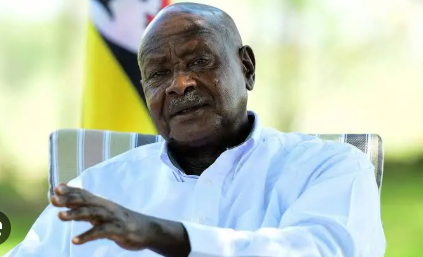
The political landscape in Uganda is yet to change as the president is not in a hurry to leave power. Consequently, the opposition have been suffocated and some bought over to achieve his aim. Nevertheless, some citizens have credited the country’s political and economic stability to President Museveni.
Museveni’s Seventh Term Inauguration Marks Four Decades in Power
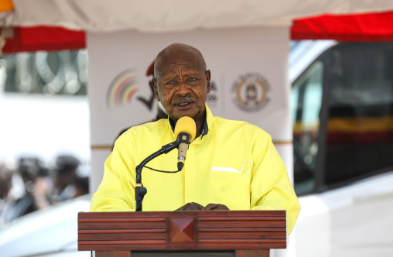
On Tuesday, Yoweri Museveni took the oath of office for his seventh term as Uganda’s president. The inauguration ceremony was held at the Kololo Independence Grounds in Kampala. In fact, the event followed his decisive victory in the January 2026 presidential election. Moreover, at 81 years old, Museveni now extends his rule to 40 years since he first took office in 1986. Thus, his continued leadership cements his position as one of Africa’s longest-serving heads of state.
Election Results Reflect Strong Mandate Amid Controversy
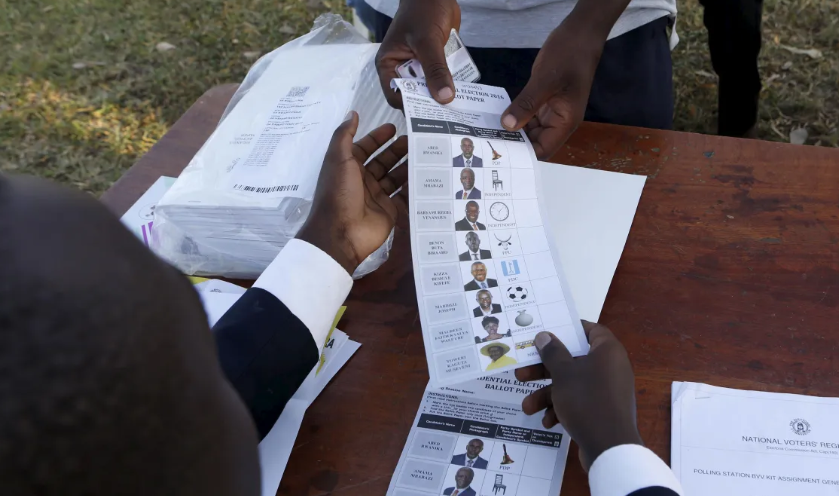
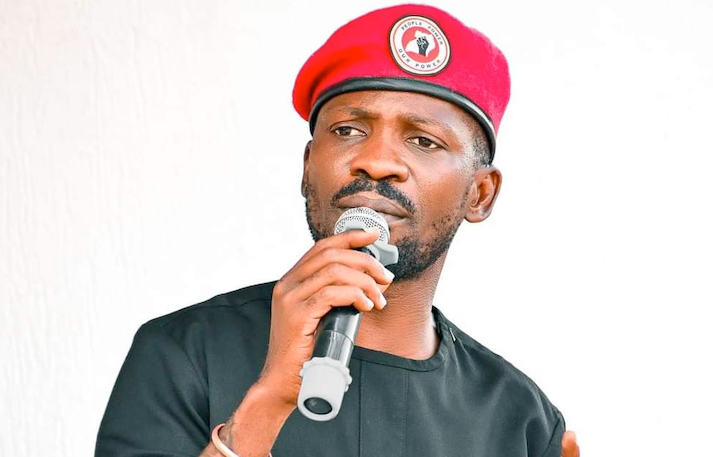
According to official election results, Museveni secured 71.65% of the votes cast. However, his principal opponent, pop star-turned-politician Bobi Wine, received 24.72% of the vote. Despite challenges from opposition and international observers, the election outcome was decisive. Museveni’s victory ensures he will serve another five-year term leading Uganda. Consequently, the election and inauguration have sparked discussions about democratic processes in Uganda.
Early Years: Roots in Mbarra District and Education
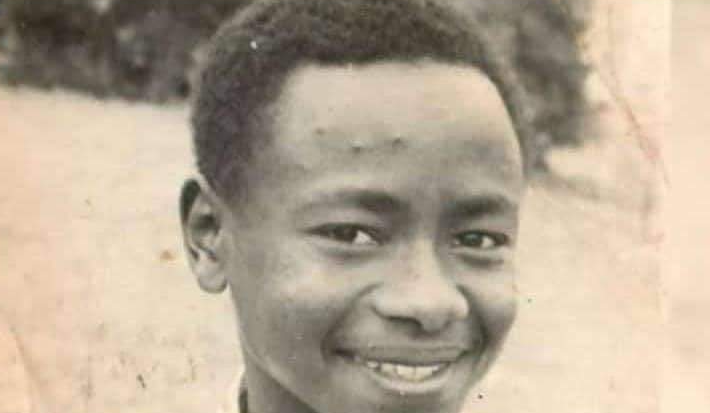
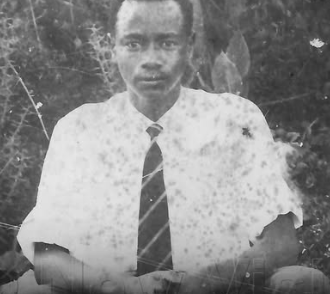
Yoweri Museveni was born in 1944 in the Mbarara District area of Uganda. His educational journey began at Kyamate Boys School in 1953, where he started primary education. In 1959, he advanced to Mbarara High School, continuing his secondary studies. However, during the 1960s, his family migrated from Ntungamo, then part of the British Protectorate of Uganda. Subsequently, he completed his secondary education at Ntare School in 1961, a prestigious institution in Uganda.
University Life and Political Awakening
Museveni pursued political science studies at the University of Dar es Salaam in Tanzania. There, he engaged actively in student politics and founded the University Students’ African Revolutionary Front. His university days marked the beginning of his lifelong political activism and revolutionary ideals. Moreover, he was inspired by contemporary movements advocating for African liberation and social justice.
Rise to Power and Longstanding Leadership
After university, Museveni became involved in armed struggle and political mobilisation. He led the National Resistance Army (NRA) during Uganda’s bush war in the early 1980s. Following the NRA’s victory, he assumed the presidency in 1986, beginning his long tenure. His leadership has seen Uganda through phases of economic reforms, infrastructure development, and political challenges. Museveni’s extended rule has been praised for stability but criticised for limiting political opposition.
Challenges and Opposition: The Bobi Wine Factor
Bobi Wine, a former musician turned opposition leader, has emerged as Museveni’s key rival. No doubt, Wine’s youthful appeal and activist message resonate with many Ugandans seeking change. Despite his strong showing in elections, Wine has faced arrests and restrictions. Hence, the political rivalry highlights Uganda’s tensions between continuity and calls for reform.
International and Domestic Reactions to the Seventh Term
Museveni’s seventh term prompted mixed global reactions, balancing praise for stability with calls for democratic reforms. Domestically, supporters celebrate continuity and experience in leadership. However, critics urge greater political openness, respect for human rights, and electoral transparency. Hence, the new term presents opportunities and challenges for governance, economic growth, and national unity.
Looking Ahead: Uganda’s Path Under Museveni
As Museveni begins this new term, the world watches how he will address Uganda’s social and economic issues. Furthermore, key priorities include tackling youth unemployment, improving infrastructure, and strengthening regional cooperation. His leadership style and policies will continue to shape Uganda’s political landscape for years. With four decades in power, Museveni’s legacy remains a subject of debate and significance.