
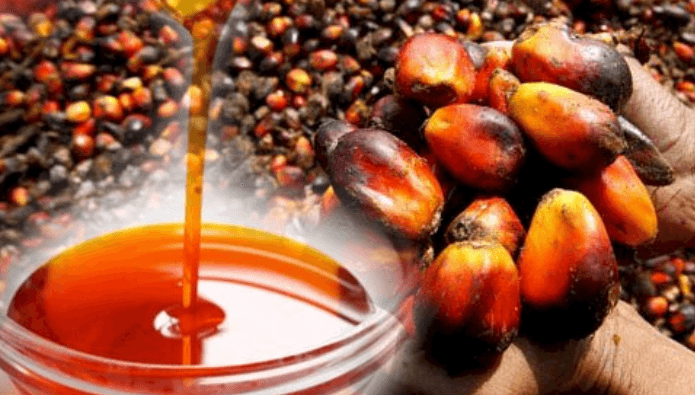
Every day, millions of Nigerians search for opportunities that seem just out of reach. Yet, hidden in the rich soil of our land lies a powerful solution—palm oil. More than a staple in our kitchens, palm oil is a golden opportunity waiting to be harvested. Invariably, it has the potential to create jobs, build businesses, and transform communities. Also, by embracing this vibrant sector, Nigeria can turn its agricultural heritage into a thriving engine of economic growth and hope. Importantly, this is not just about farming; it’s about planting the seeds of a brighter future for all Nigerians.
Palm Oil: More Than Just Kitchen Staple
Palm oil has long been a vital ingredient in Nigerian kitchens, flavouring soups and stews. However, it is also a complex economic ecosystem supporting millions of livelihoods. Hence, the industry employs agronomists, logistics experts, mill operators, and export officers. Moreover, young graduates and retired workers alike can find roles, from data analysis to farming. This article invites Nigerians to view palm oil as a ladder to economic independence.

Opportunities Beyond the Farm
Palm oil is used in soaps, cosmetics, pharmaceuticals, biofuels, and industrial lubricants. You do not need plantations to participate—small-scale refining or transport services matter. A modest investment in a press or logistics can generate daily income and community wealth. Hence, the Nigerian Institute of Social and Economic Research estimates startup costs between ₦150,000 and ₦2 million. For many families, palm oil businesses have funded education, healthcare, and escape from poverty.
Honest Review: Challenges and Progress
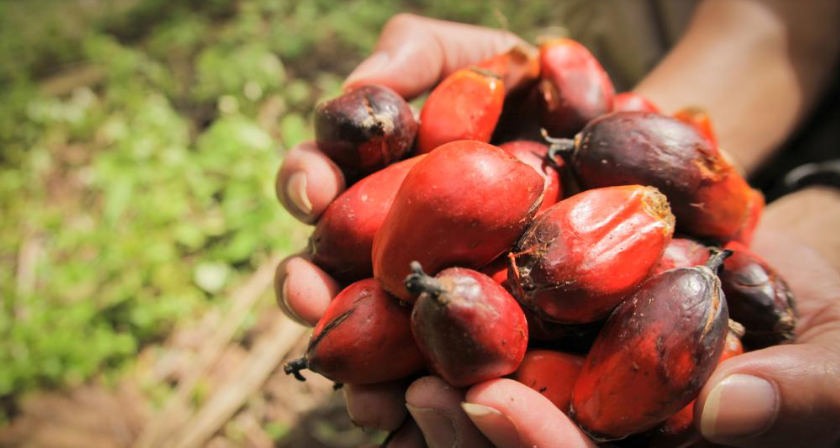
The palm oil sector faces challenges: deforestation, inconsistent quality, and technical gaps. Furthermore, smallholders lack technical training; some mills waste water and produce subpar oil. However, dismissing the whole industry as backward is unfair and harmful. In addition, millions depend on this sector, including companies, traders, scientists, and consumers. Responsible enterprise means recognising achievements, admitting flaws, and improving policies.
The Vital Role of Experienced Nigerians
Older Nigerians bring valuable experience to palm oil ventures. Likewise, retired civil servants can manage cooperatives; teachers can train smallholders; nurses can oversee safety. Additionally, their knowledge in negotiation, finance, and mentoring is irreplaceable. Thus, many empowerment programmes overlook experienced elders—a missed opportunity for the sector. Their guidance strengthens startups and ensures sustainable growth.
Technology and Youth: Modernizing the Industry
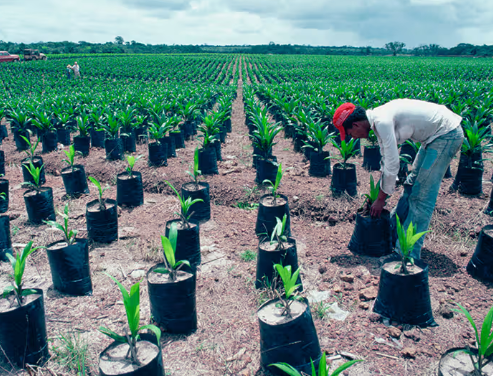
New technologies like drones, satellite imagery, and data analytics are transforming palm oil farming. Young graduates skilled in digital tools can revolutionise crop monitoring and supply chains. For this reason, linking field data with mill performance helps identify inefficiencies quickly. Hence, future professionals will blend agronomy with digital expertise to boost yields and quality. These are not low-wage jobs but promising careers with competitive salaries.
Combating Misinformation: Informed Engagement Is Key
Misinformation clouds public perception of palm oil’s profitability and sustainability. Social media often spreads outrage rather than facts, harming informed discussion. Nevertheless, Nigerians should question claims critically and seek evidence on palm oil’s economic impact. Understanding value chains and market realities is essential for sound decision-making. Knowledge, not quick opinions, cultivates stronger agriculture and business.
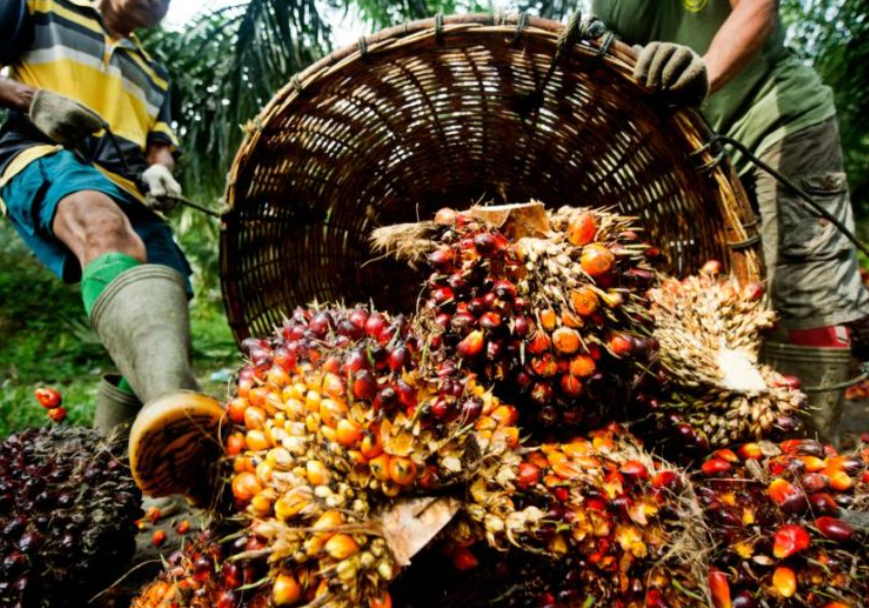
A Call to Action: Build Wealth from the Land
Palm oil is an unfinished story—not yesterday’s crop but tomorrow’s opportunity. Nigerians must engage honestly, improve practices, and embrace innovation wisely. The next harvest will measure success in jobs created and families supported. Agrientrepreneurs of all ages can find dignity and prosperity in palm oil. The field awaits your boots or your spreadsheets—start building today.
Conclusion: The Government’s Crucial Role in Unlocking Palm Oil’s Potential
For Nigeria to fully harness the palm oil sector’s job creation and economic growth potential, government action is essential. Enabling policies that support smallholders, invest in infrastructure, and provide technical training will empower entrepreneurs at every level. Regulatory frameworks must promote sustainable practices while encouraging innovation and market access. Moreover, financial incentives and subsidies can lower barriers for startups and cooperatives. Without a supportive environment, the sector’s vast promise will remain unfulfilled. The government must act decisively to create conditions where palm oil production thrives, driving inclusive growth and transforming Nigeria’s agricultural landscape for generations to come.

Caesar Ogunremi serves as the Vice President (South West) for the National Palm Produce Association of Nigeria (NPPAN). Focus on advancing productivity in the Nigerian oil palm sector. Sector to improve palm oil production to compete with major producers like Indonesia and Malaysia.