
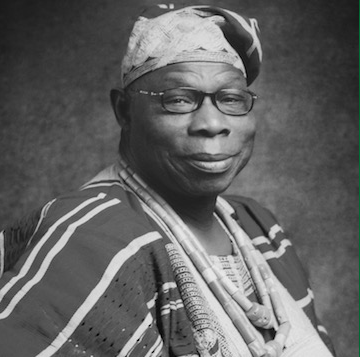
Former President Olusegun Obasanjo spoke in Abeokuta on May 11, 2026. Interestingly, he reflected on his 1967-1970 civil war experience as a commander. Obasanjo emphasised that civil wars are painful as citizens fight each other. He said, “We shouldn’t have fought ourselves. Civil war is different from fighting external enemies because at the end of the day, you are fighting your brothers.” He highlighted that Nigerian and Biafran soldiers were citizens of the same nation. This made the conflict emotionally difficult for many involved. Consequently, the aftermath is still being felt today.
Lessons from the War: Promoting Peace and Unity
Obasanjo urged Nigerians to promote peace, dialogue, and unity. He stressed these values are essential to prevent future national conflicts. Additionally, he stated that, without peace and dialogue coupled with genuine reconciliation, lasting peace will be elusive.
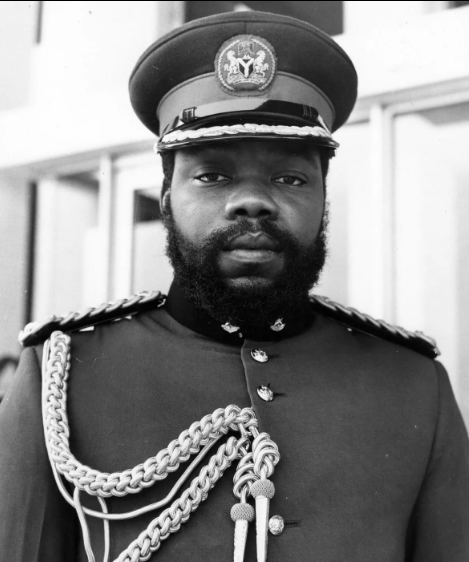
IPOB Declares May 30 Sit-at-Home for Biafran Remembrance
The Indigenous People of Biafra (IPOB) Worldwide announced a sit-at-home on May 30, 2026. Consequently, they have chosen that part as an honour to Biafran heroes who sacrificed for their people’s dignity and rights. However, Comrade Emma Powerful, IPOB spokesperson, issued the statement on Sunday. Furthermore, he called for strict observance across all towns, villages, and cities in Biafraland.
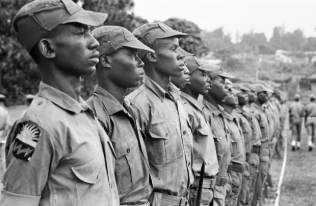
A Day of Solemn Reflection and Honour
IPOB stressed May 30 is not for politics, commerce, or entertainment. The day is for prayer, mourning, reflection, and national remembrance. Additionally, Emma Powerful urged Biafrans at home and in the diaspora to observe with discipline. He emphasised dignity and reverence worthy of ancestors’ sacrifices.
IPOB Leaders
Nnamdi Kanu is a Nigerian political activist and leader of the Indigenous People of Biafra (IPOB), a separatist group advocating for the independence of Biafra from Nigeria. He rose to prominence through his radio broadcasts and activism, calling for self-determination of the Igbo people. Kanu’s activities have been controversial, leading to his arrest, detention and eventual imprisonment by the Nigerian authorities on terrorism. He remains a central figure in Nigeria’s ongoing debates over ethnic identity, regional autonomy, and national unity.
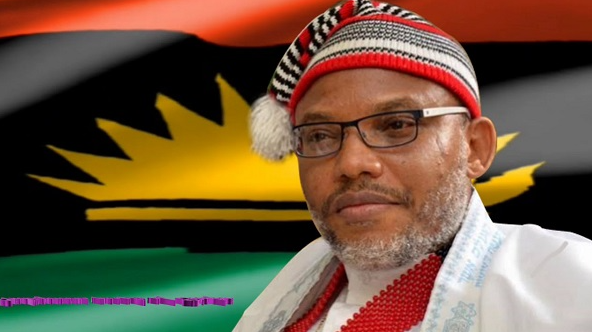
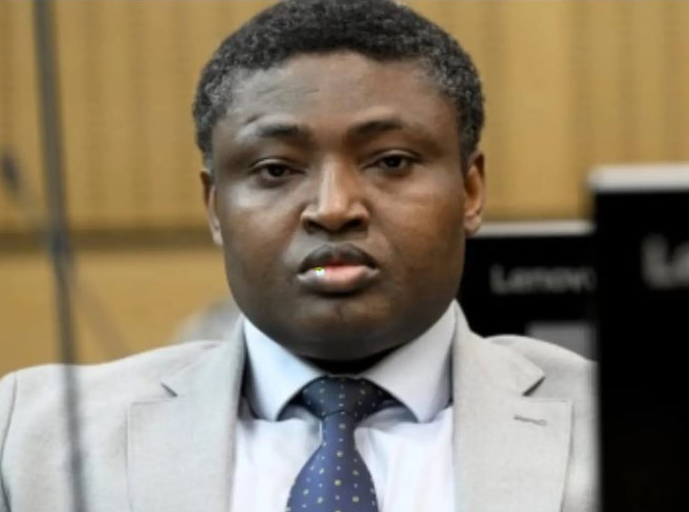
However, Simon Ekpa, who refers to himself as the IPOB Prime Minister, is a prominent spokesperson and activist within the Biafran separatist movement. While not officially recognised by all IPOB members, Ekpa is known for his vocal advocacy and organising of protests and sit-at-home directives. Conversely, the relationship between Kanu and Ekpa has had tensions, reflecting divisions within the movement. In summary, he too is also languishing in a Swedish prison on charges of terrorism.
Who is Olusegun Obasanjo
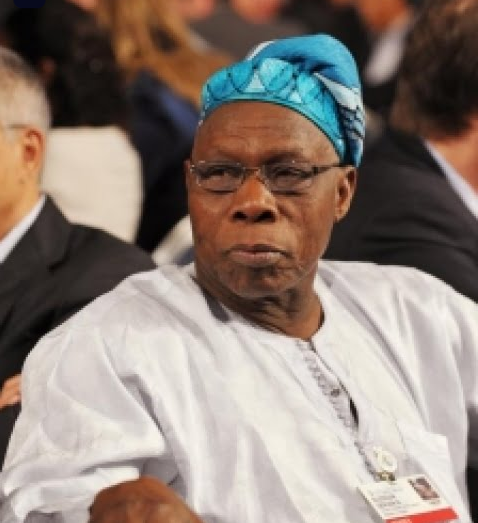
Olusegun Obasanjo is a retired Nigerian Army general and statesman who served as Nigeria’s military head of state from 1976 to 1979 and as a civilian president from 1999 to 2007. Born in 1937 in Ogun State, he played a key role in Nigeria’s political and military history, including involvement in the Nigerian Civil War. Known for his efforts to promote democracy and regional stability, Obasanjo has been influential in African politics and international diplomacy. He is also an author and advocate for peace, development, and good governance in Nigeria and across Africa.
Conclusion
The wounds of the civil war run deep, reminding us that brother fought against brother in a painful chapter of Nigerian history. Hence, former President Obasanjo’s call for peace echoes a heartfelt plea to embrace unity and dialogue over division. As IPOB’s May 30 sit-at-home honours those who gave everything for dignity and freedom, it also invites all Nigerians to reflect on the cost of conflict. Moreover, the aim is to allow this solemn day to inspire healing, understanding, and a shared commitment to building a Nigeria where no citizen ever again faces the tragedy of fighting their own. Peace is not just a goal—it is our shared responsibility.