

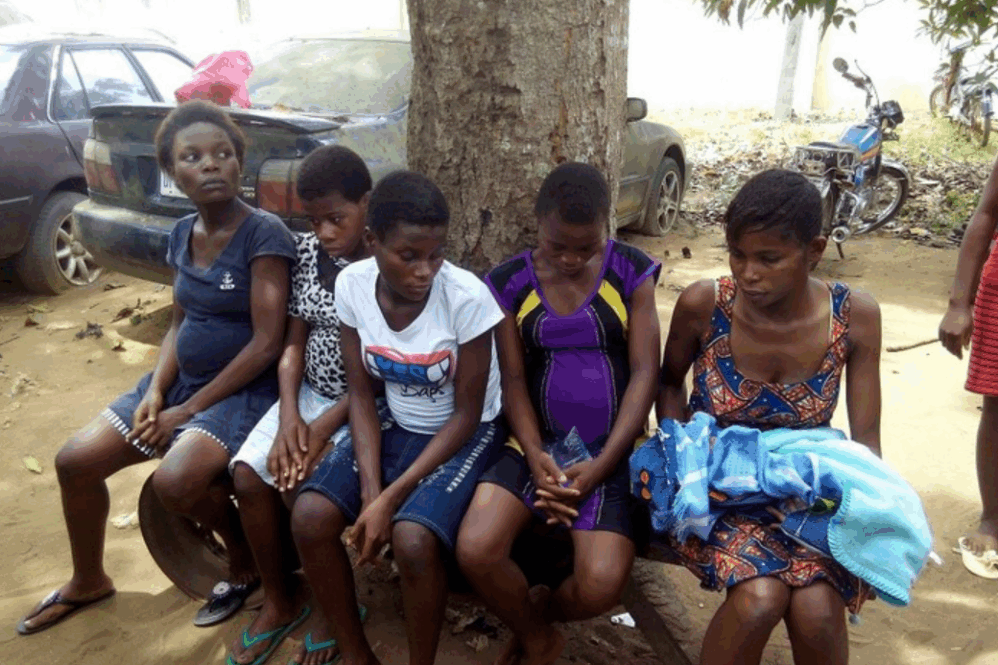
Anambra State is located in the south-eastern part of Nigeria, and it is gradually becoming the hotbed of human trafficking. Furthermore, reports have it that the human traffickers have now deployed new tactics in the actualisation of their evil schemes.
Human Trafficking on the Rise
The Anambra State Commander of NAPTIP, Ibadin Judith-Chukwu, is concerned. Human trafficking is increasing in the state. Young people cohabiting to produce babies for sale is now a disturbing trend. Consequently, the trade seems to be getting traction among the youths.
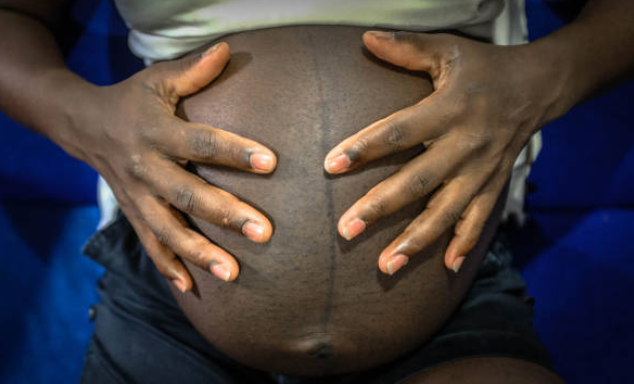
Babies Sold Without Mothers’ Consent
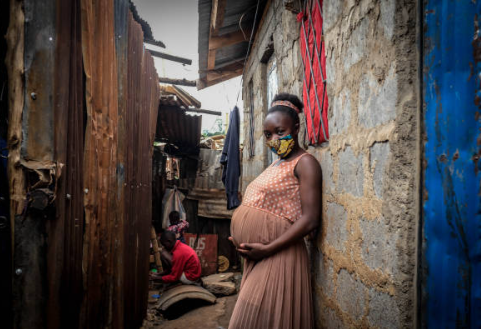
Girls get pregnant, and men take the babies without their knowledge or consent. Eventually, these babies are sold to the highest bidders, highlighting a need for action.
NAPTIP’s Efforts to Combat Human Trafficking
NAPTIP has established state task forces to curb human trafficking. Furthermore, the Anambra State task force is active and equipped to dislodge their syndicate.
Public Sensitisation Campaigns
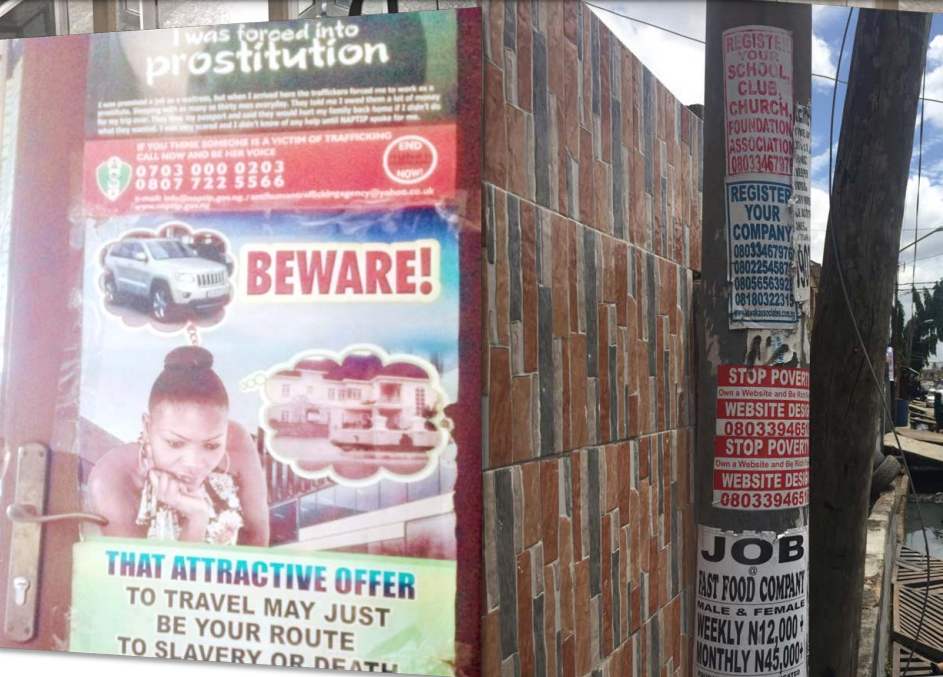
Meanwhile, NAPTIP is informing and educating the public about traffickers’ tactics. In addition, they are using public sensitisation campaigns to raise awareness about human trafficking, especially among young and underage girls.
The Role of Stakeholders
For this reason, the agency has sought the involvement of different stakeholders, like the traditional rulers, religious leaders, and influential figures, who must join the fight. Moreover, collaboration is key to combating human trafficking in all its ramifications.
Challenges in Rural Areas
Human trafficking is prevalent in different rural areas in the country, which could be a result of endemic poverty. Therefore, NAPTIP faces challenges in reaching remote communities as a result of distance and poor access roads.
The Need for Collective Action
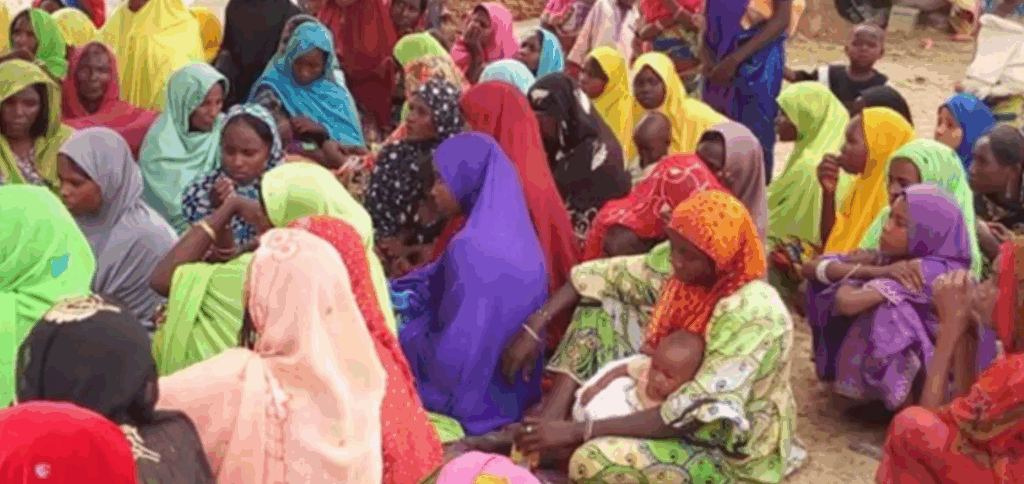
Firstly, everyone must work together to combat human trafficking in all its facets. Furthermore, the fight requires a collective effort to stem the tide of criminality and their collaborators.
NAPTIP’s Commitment
NAPTIP, like similar agencies, is committed to protecting human rights. Conversely, the agency will fight human trafficking in all the nooks and crannies of the country to its knees. However, public cooperation is key.
The Disturbing Rise of Baby Factories in Nigeria’s Eastern Region
Poverty and Unemployment Fuel the Trend
When poverty is endemic, criminality thrives. For this reason, economic hardship drives young women to desperation even though it’s against their will. Obviously, they use their economic status to lure them into baby-making factories with false promises.
Lack of Education and Awareness
Limited access to education and information makes women vulnerable. Hence, they are unaware of the risks and consequences thereafter.
Cultural and Social Factors
Cultural pressures and societal expectations contribute to the trend. Furthermore, childlessness is stigmatised among women, thereby fuelling demand for babies.

Organized Crime and Human Trafficking
Baby factories are often linked to human trafficking, which is prevalent in the eastern region. Consequently, organised crime groups exploit vulnerable women and children to toe that line.
The Need for Collective Action
Government, NGOs, and communities must work together to achieve the desired aim. For this reason, collective action is necessary to combat baby factories in Nigeria.
Conclusion
Baby factories are a growing concern in Nigeria’s eastern region. Addressing the root causes is crucial and requires tough actions. As stated, human trafficking is a growing concern in Anambra State, which deserves punitive measures in uprooting it. However, NAPTIP’s efforts are crucial in combating this trend, and collective action is necessary to protect human rights.












8e3ezq