

By a Senior International Business & Economic Journalist with Dr. Arikana Chihombori, Founder & President, African Diaspora Development Institute
LAGOS & NAIROBI & JOHANNESBURG — For decades, the world viewed America as the ultimate destination. The “American Dream” sold a simple promise: work hard, and you will prosper. Hence, that narrative is now collapsing from within.
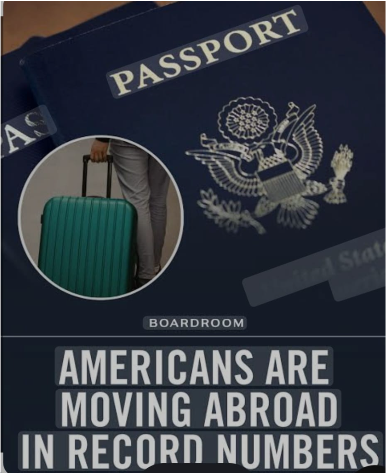
Americans are leaving their country in record numbers. Many permanently renounce their passports. Others seek residency in Portugal, Mexico, or Thailand. The numbers remain staggering. For example, a Brookings Institution report estimated net outward migration at 295,000 in 2025 alone. Meanwhile, annual tracking shows a steady outflow of about 150,000 citizens per year.
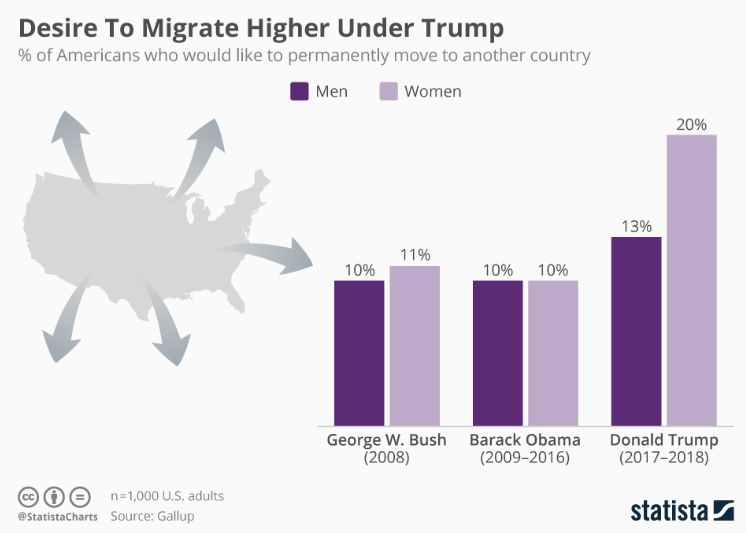
Furthermore, a Gallup poll found that 20% of Americans now want to move abroad permanently. This figure doubles the rate from a decade ago. Notably, among young women aged 18 to 44, the number rises to 40%.
Why should Africans care about Americans fleeing? The lesson carries deep meaning. Every country faces decay eventually. Also, no economy remains safe forever. Moreover, the grass isn’t always greener on the other side. Often, it grows greener where you choose to water it.
The Numbers Don’t Lie: An Unprecedented Exodus
The statistics paint a picture of quiet desperation.
The Brookings Institution, a Washington research group, tracked this outflow precisely. In 2025, citizens’ net loss reached nearly 300,000. Additionally, formal citizenship renunciations spiked sharply. This movement is no trickle; instead, it is rapidly becoming a river.
In some quarters it is believed that the level of exodus is also being exacerbated by President Trump’s harsh domestic policies. Conversely, many Americans are feeling the heat; hence, relocating elsewhere is their best choice. However, the administration is struggling to keep inflation and prices of basic needs low.
Nevertheless, a Harris Poll explored the reasons behind this trend. Sixty-eight percent of Americans planning to leave cited unattainable homeownership. They expressed feeling like they are “merely surviving” rather than thriving. Furthermore, 49% blamed everyday inflation and high healthcare costs.
These people are not poor citizens fleeing famine. Instead, they consist of educated, middle-class professionals. They include doctors, engineers, and remote workers. They examined their country and concluded their future lies elsewhere.

The Three Engines of Discontent
What is driving the world’s wealthiest nation to lose its own people? Three interconnected forces are at work.
Economic Pressures: The Survival Trap
The cost of living in America has outpaced wages. Housing prices soared beyond millions’ reach. A single medical emergency can bankrupt a family. Graduates carry student debt well into their forties.
Moreover, the Harris Poll revealed the emotional toll. Americans feel they work harder yet fall further behind. The dream has turned into a treadmill. When 68% cannot afford homeownership, many logically look elsewhere.
Political Polarisation: The Tearing of the Fabric
Deepening social tension has made American politics a daily battleground. Elections now focus on existential threats, not policy differences. Families have stopped talking over political disagreements.
Furthermore, this anxiety worsens economic pressures. Citizens express long-term fear about their country’s direction. They see no resolution, only ongoing conflict. For many, leaving seems the only path to peace.
Global Accessibility: The Door Has Opened
The rise of remote work has changed everything. A software engineer in San Francisco now works from Lisbon. Similarly, a marketing manager in New York can live in Bangkok.
Moreover, international digital nomad visas have proliferated. European “golden visa” programmes offer residency for property investments. Corporate remote work flexibility has freed workers from physical offices. Consequently, moving abroad has become logistically easier than ever.
The ADDI Homecoming: Burkina Faso’s Bold Gateway to Diaspora Residency

The dream of returning home to actively participate in Africa’s development has shifted from a distant hope into a tangible, operational mission. Indeed, the African Diaspora Development Institute (ADDI) was purpose-built to construct that bridge, strategically starting with Burkina Faso. Nevertheless, the road toward securing Permanent Residency for hundreds of applicants is paved with both historic political victories and inevitable procedural delays. This is the unvarnished reality of nation-building at scale.
A Presidential Invitation That Sparked an Unprecedented Movement
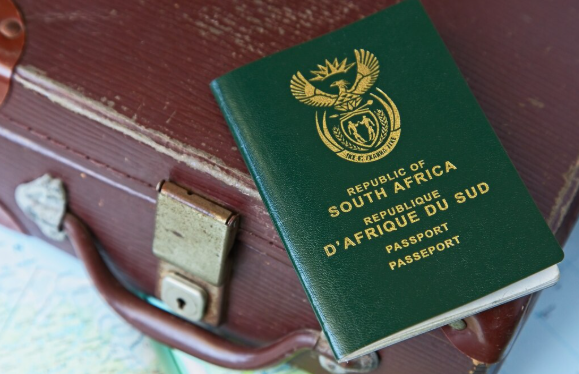
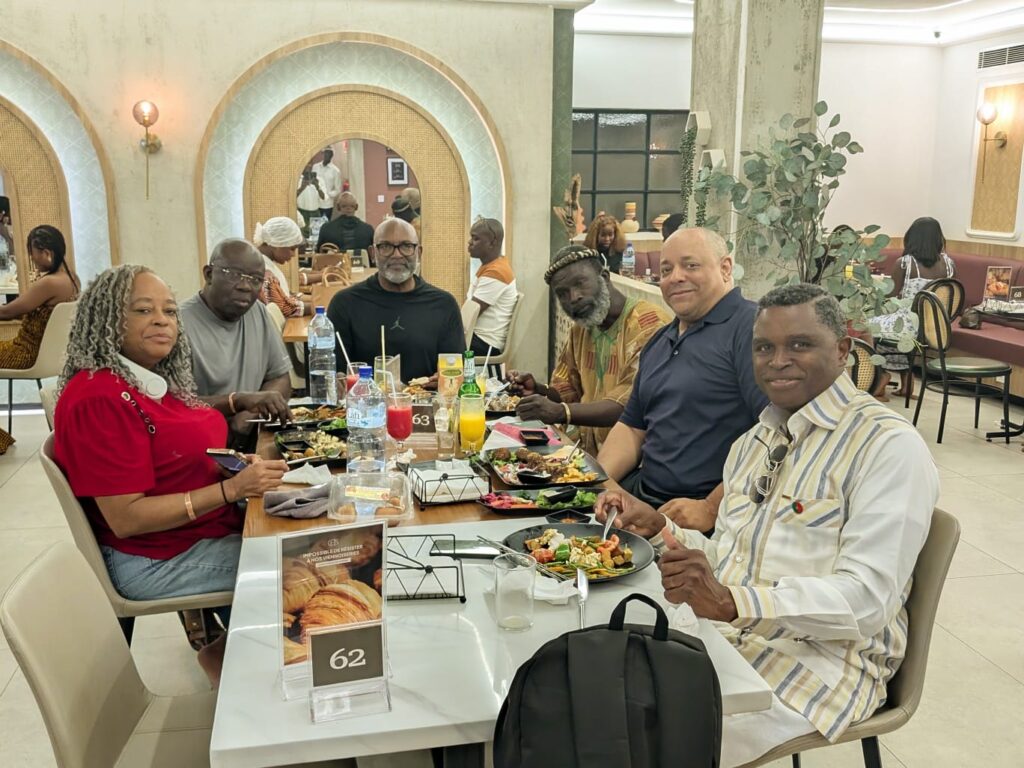
During our inaugural visit to Burkina Faso in 2024, President Captain Ibrahim Traoré did far more than extend a ceremonial welcome; he actually provided a concrete administrative mechanism through which we could permanently return home. Consequently, the Residency journey was officially born, drawing an unprecedented surge of applications that neither ADDI nor the local government had ever anticipated. Over 500 diaspora members have already visited the country, exploring investment climates and re-establishing cultural ties. This overwhelming enthusiasm validates our collective mission. Yet, it simultaneously revealed the immense logistical challenges of coordinating a mass return movement. The response was genuinely overwhelming. Furthermore, this is merely the starting point for a larger continental strategy.

The African Mirror: What Are We Leaving?
This brings the conversation home to Africa. Every year, thousands of African professionals make this calculation. They examine Nigeria, Kenya, or South Africa. They notice inflation, political instability, and failing infrastructure. Then, they book tickets to London, Houston, or Dubai.
Furthermore, the American exodus offers a clear mirror. It shows that destination countries have deep cracks too. The United States loses 150,000 citizens annually because its housing market breaks down. Its healthcare system exploits people. Additionally, its politics have become poisonous.

No African country should celebrate the West’s struggles. Yet, every African country should learn from them.
“It’s Greener When You Water the Grass”
This forms the central thesis. The African professional who moves to America may arrive just as Americans leave. Likewise, the European who invests in a Portuguese visa may discover Portugal’s economy offers limited opportunities.
The grass is not naturally greener anywhere: Grass grows where it is watered
Africa’s leaders must act intentionally to retain talent. Hence, affordable housing serves as a retention strategy, not a luxury. Furthermore, functional healthcare acts as an economic necessity, not charity. However, political stability forms the foundation of any prosperous society, not just a talking point.
For Africa’s professionals, leaving should remain a choice, not a reflex. Ask yourself: Have I tried to water the grass here? Have I invested in my local economy? Have I engaged with my political system? If you answer no, then moving abroad may just swap one frustration for another.
Practical Lessons from the American Collapse
The United States is still a wealthy nation. Its GDP remains the largest in the world. Yet, wealth does not protect against social decay. Thus, the American exodus proves that high incomes lose their meaning when housing is unaffordable and healthcare is inaccessible.
Lesson One: Prioritise homeownership.
Any African government that wants to retain its middle class must make land and housing affordable. Moreover, the 68% statistic from the Harris Poll should terrify every policymaker in Lagos or Nairobi.
Lesson Two: Fix healthcare.
Americans are leaving because a broken bone can cost about $10,000. However, African countries have an opportunity to build universal systems that remove this fear.
Lesson Three: Reduce political temperature.
Polarisation destroys nations slowly. Hence, leaders who prioritise tribal or religious division over economic development will drive their best citizens away.
Lesson Four: Create remote work hubs.
The same digital visas that attract Americans to Europe can attract Europeans to Africa. For this reason, Ghana’s “Beyond the Return” initiative is a start. More countries should follow.
The Strategic Opportunity for Africa
The American departure carries irony. The remote work revolution lets Americans leave and Africans stay. A Nigerian software developer earning dollars lives comfortably in Lagos. Similarly, a Kenyan graphic designer with European clients builds a home in Nairobi.
Africa does not need to beg citizens to stay. Instead, it must build environments where staying becomes the rational choice. This requires investing in fibre optic internet, reliable electricity, and co-working spaces. Also, it demands visa reforms to attract digital nomads worldwide, including fleeing Americans.
Furthermore, several American expats already moved to Africa. They mention lower living costs, warmer communities, and slower life paces. If Africa plays its cards wisely, it can become a destination, not a departure lounge.
Navigating Security Clearances and Government-Driven Protocols
In March 2026, ADDI leadership returned as an advanced team to finalize the operational modalities required for sustaining long-term roots in Burkina Faso. However, the Government informed us that while they were actively processing applications, the mandatory security clearance procedure has taken considerably longer than anyone originally projected. For instance, even in the United States and other Western nations, comparable immigration vetting frequently extends over several months. As a result, comprehensive Presidential Decrees could not be processed all at once. Patience is essential. Furthermore, this process is being wholly driven by sovereign government entities; consequently, we must all abide strictly by the protocols they have established. Delays are frustrating, yet they remain completely beyond our direct influence.—3. Phased Approvals, Ambassador Coulibaly, and the Final PushMeanwhile, His Excellency Ambassador Coulibaly has championed this initiative with relentless diplomatic energy. Accordingly, he traveled personally to Burkina Faso to accelerate the workflow, although some administrative bottlenecks remained stubbornly outside his jurisdiction. Nevertheless, he has provided us with a firm assurance: Presidential Decrees will be signed in successive batches as Residency Cards become formally ready for every qualified applicant who successfully passes the security vetting. Consequently, we are finally nearing the finish line. The initial batch of twenty decrees is expected to be finalized shortly, with subsequent cohorts to follow in rapid succession. The Government’s commitment remains absolute. Patience is requested from all families awaiting reunification. ADDI will continue to persevere relentlessly, bringing our children back home—one signed decree at a time. We are not merely fighting for Burkina Faso alone; we are actively fighting for the sovereign dignity and unified future of all Africa.
Conclusion: Water Where You Stand
The American dream is not dead. It is simply migrating. The citizens leaving the United States are chasing the same thing Africans have always chased: affordability, safety, and hope.
Yet, the deeper truth is uncomfortable. No country can outrun its problems. Americans are discovering that Portugal has its own housing crisis. Mexico has cartel violence. Thailand has language barriers and visa restrictions.
The grass is never perfectly green. It is only greener where someone has chosen to water it. Hence, Africans who stay and build their own nations are not losing a competition. They are winning a marathon.
The next time you dream of leaving, pause. Look at the 295,000 Americans who just left paradise. Ask them if they found what they were searching for. Then ask yourself whether you have truly tried to water the grass beneath your feet. The answer might surprise you.









Informative and to the point articles. Great minds behind ADDI! God bless.