
Jerseys, TikTok, and Empty Stadiums: Wizkid wears Arsenal’s jersey, and K1 De Ultimate dances as he composes a song for Arsenal FC while Lobi Stars owes ₦200 million. This is how Premier League glory kills Nigerian football.
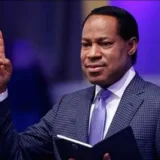
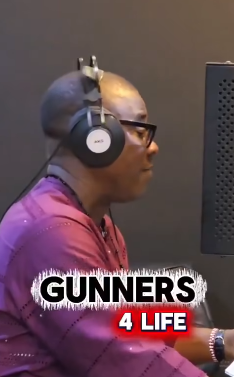
The TikTok video has attracted over three million views. K1 De Ultimate, the popular Nigerian singer, sits in a dimly lit studio wearing a light red-coloured outfit and dances; as a result, the comments explode with fire emojis. In addition, he used the opportunity to compose a victory song for his beloved club, called the Gunners.
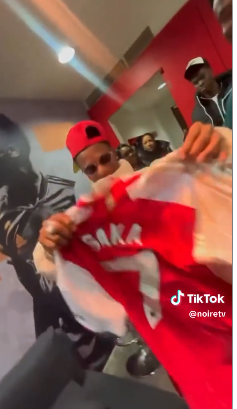
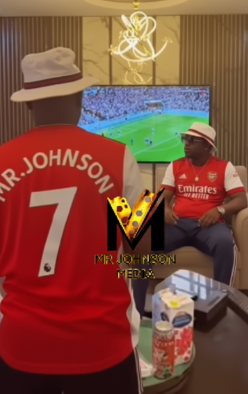
While another superstar, one of Africa’s best and globally recognised afrobeats singers in the person of Wizkid, wore their jersey and even went to their stadium to support his favourite team. He took his time to watch Arsenal FC from the VIP stand and was allowed into the locker room, where he got an autograph jersey, number 7, of Saka.
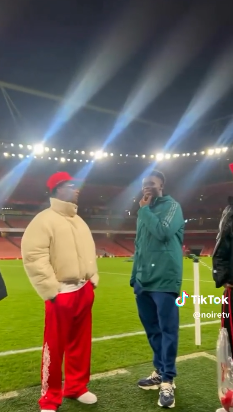
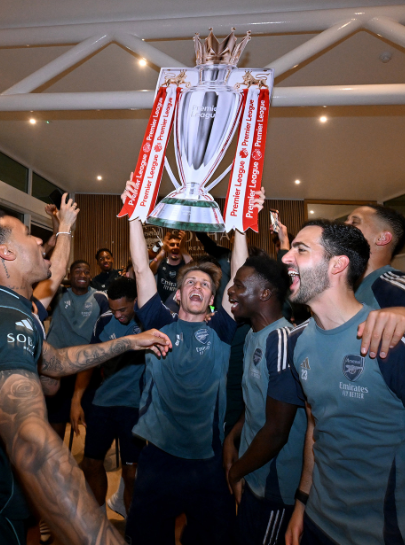
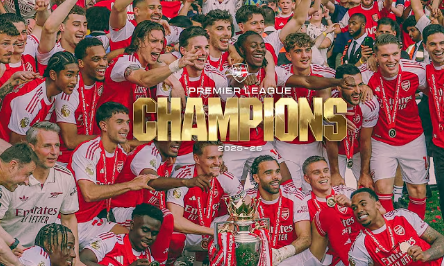
Nigerian social media displayed a similar scene following Arsenal’s Premier League championship victory on May 15, 2026. Influencers and different musical celebrities posted celebratory videos. Corporate workers wore jerseys to their Lagos offices. Fans spent money they could not easily spare on data, transport, and merchandise—all to celebrate a club located 3,200 miles away.
No one asked where the money went. Additionally, no one asked why local players remain unpaid for three months. Furthermore, no one questioned how a nation that produces world-class football talent cannot sustain a single professional league.
The Viral Jersey Economy: Celebration or Extraction?
When a Nigerian superstar like K1 De Ultimate composes a song like that and orders their jerseys, like Wizkid and Mr Adewale Ayuba, also known as Mr Johnson, they do more than celebrate a football club. They are more or less stars in an unpaid advertisement for a British multinational corporation. London and Lagos have long ranked as the two cities with the highest Arsenal jersey sales globally. Every jersey sold in Nigeria transfers wealth from a developing economy to a developed one. Moreover, nothing flows back to the Nigerian football ecosystem.
A Banner of Glory: Arsenal Fans Unite in Lagos
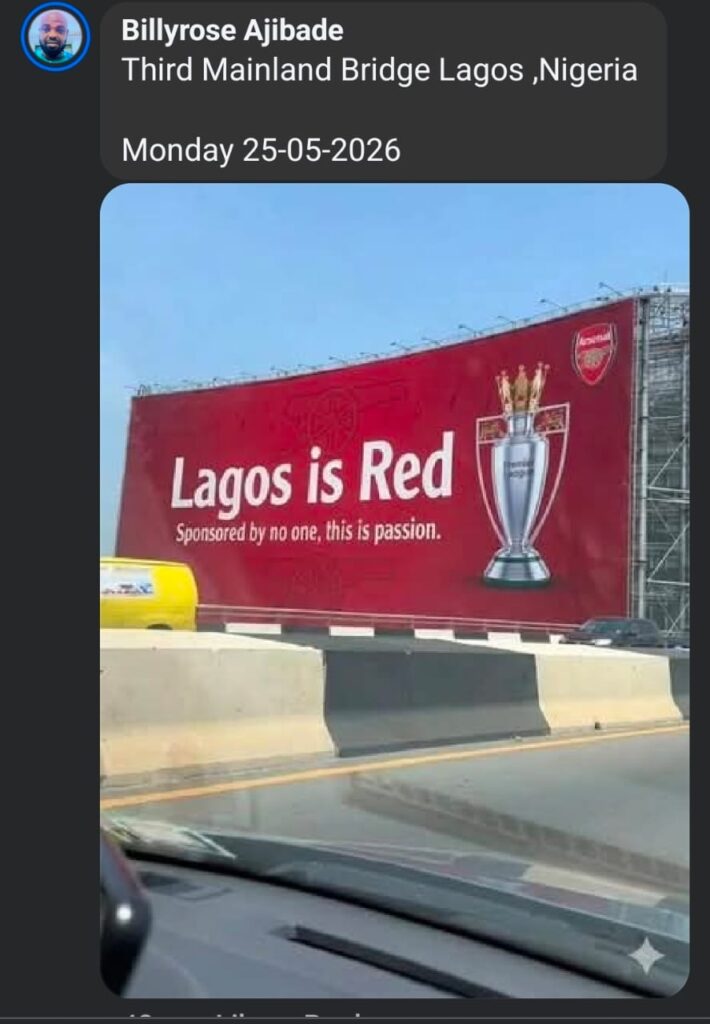
Billboard:
On a bright Sunday morning in Lagos, motorists crossing the busy 3rd Mainland Bridge caught sight of a massive billboard that stirred excitement across the city. The billboard boldly displayed the Arsenal FC crest, celebrating the club’s recent triumphs and inspiring a wave of pride among Nigerian fans.
Among the throng of commuters, Arsenal supporters smiled knowingly. For many, the billboard symbolised more than just football success; it represented unity, hope, and long-awaited glory.
Thanksgiving:
That same day, in churches across Lagos, Arsenal fans gathered to give thanks. At St Michael’s Catholic Church in Surulere and St Dominic Catholic Church, Yaba, some groups of young fans led a spirited thanksgiving service, singing Arsenal anthems and praying for continued success. Meanwhile, at the Redeemed Christian Church of God in Ikeja, families dressed in red and white shared stories of memorable matches, expressing gratitude for the team’s resilience.
Furthermore, in Lagos Island’s Christ Embassy, the atmosphere buzzed with joy as elders recalled decades of loyalty to Arsenal. They thanked God for the billboard that now watched over the city, a beacon for all fans to celebrate their passion openly.
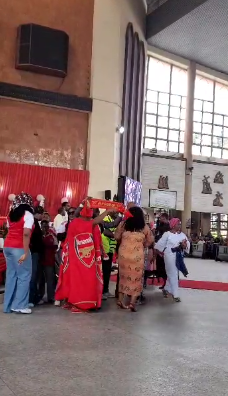
From the bridge to the pews, Arsenal’s spirit united Lagosians—reminding everyone that football transcends sport and becomes a shared blessing. Nevertheless, all celebrations are ongoing without a thought for the local league where millions could have been gainfully employed.
The Debt Crisis at Home: Lobi Stars and the ₦200 Million Hole
Consider Lobi Stars Football Club. In April 2026, the club’s newly appointed chairman, Terver Ikya, made a startling disclosure. Upon assuming leadership, he inherited debts exceeding ₦200 million. Beyond the debt, he found a club plagued by low morale, unresolved coaching disputes, and an unwieldy squad of 67 contracted players.
Lobi Stars currently faces over 16 arbitration cases, including a dispute with former Super Eagles coach Daniel Amokachi. Additionally, a court ordered the club to pay ₦47 million tied to a bus loan. This is not an isolated story. Instead, it represents the norm.
Kun Khalifat FC: When a Private Club Cannot Afford a Bus
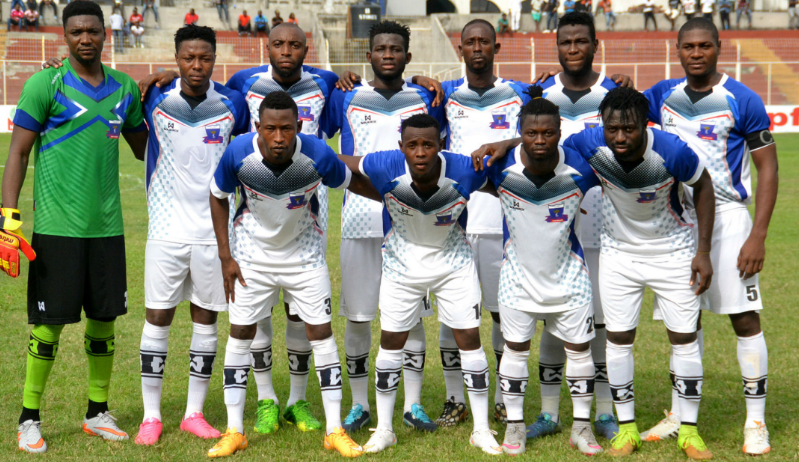
In February 2026, Kun Khalifat FC failed to honour a matchday 24 fixture against El-Kanemi Warriors. The reason proved painfully mundane—they could not afford to fix their team bus. Consequently, they forfeited three points and three goals. Additionally, the league imposed a suspended fine of ₦10 million. This means a professional football club in Nigeria’s top division could not transport its players to an away match.
The Pay TV Paradox: Billions Flow Out, Nothing Returns
Multinational pay-TV companies operating in Nigeria collect an estimated ₦1.26 trillion annually from Nigerian subscribers. A significant portion of funds is from the English Premier League. What do these companies reinvest in the NPFL? Close to nothing. They broadcast leagues from Kenya, Ethiopia, and Zambia. But they refuse to carry NPFL matches. The league that produced the passion Nigerian fans have for football is shut out of its own airwaves.
What Economic Slavery Looks Like in Football
The term provokes strong reactions, so let it be defined precisely. Economic slavery occurs when one party extracts value from another without fair compensation and when the exploited party lacks the power to escape the arrangement.
In Nigerian football, this happens daily. The young player who signs with a European agent for $5,000 does not understand that his market value could be $2 million. The NPFL club that releases a player for free cannot enforce FIFA solidarity rules. The fan who buys an Arsenal jersey finances the system that extracts his nation’s talent and returns nothing.
Between ₦40 billion and ₦50 billion is drained annually from Nigeria through TV subscriptions, jersey purchases, and football tourism to Europe. That money could fund floodlights, fair wages, and stadium renovations. Instead, it pays for Arsenal’s commercial expansion and Bukayo Saka’s weekly salary.
The Paradoxes of the EPL and NPFL: Trophies and Take-Home Rewards
Football fans worldwide celebrate league champions, but the rewards behind the trophies reveal stark contrasts between leagues. The English Premier League (EPL), known for its global appeal and financial muscle, presents a glaring paradox when compared to Nigeria’s Professional Football League (NPFL).
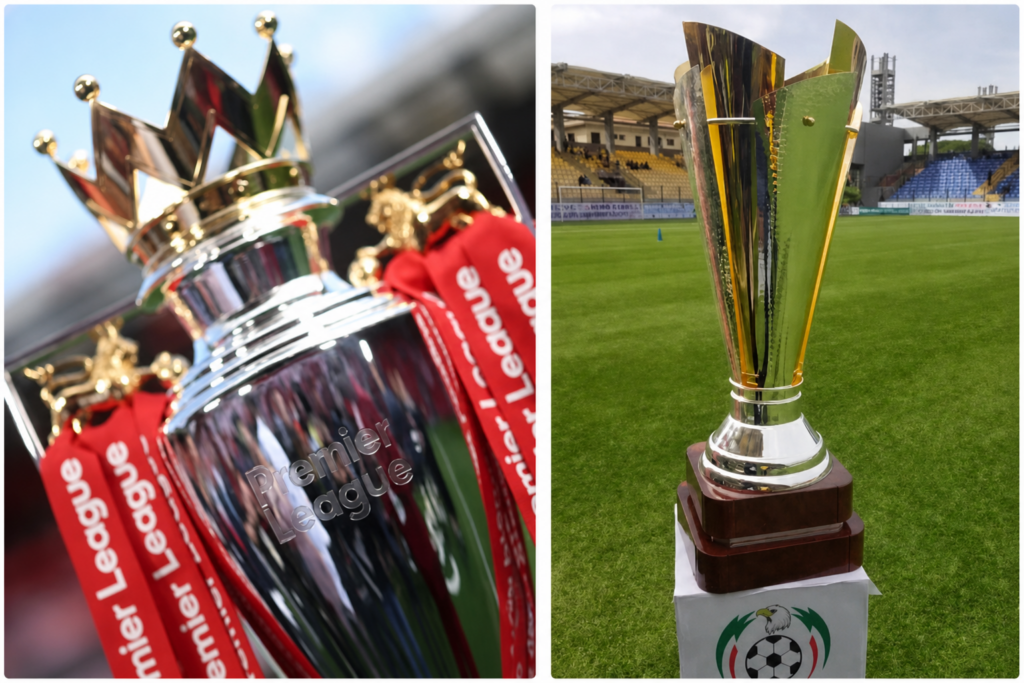
For instance, Arsenal, the 2026 EPL champions, earned a staggering £198.7 million (approximately ₦366 billion) in prize money and commercial earnings. This enormous reward reflects the EPL’s massive broadcasting deals, sponsorships, and global market reach. It enables clubs to invest heavily in world-class players, facilities, and infrastructure.
In sharp contrast, Enugu Rangers, the reigning NPFL champions, received a modest ₦200 million as their prize. Despite their impressive achievement on the pitch, their take-home pay is less than 0.1% of Arsenal’s haul. This discrepancy highlights the financial challenges faced by Nigerian clubs, rooted in limited sponsorship, broadcasting revenue, and commercial opportunities.
This paradox between the EPL and NPFL underscores broader issues in football’s global economy. While trophies symbolise sporting excellence, the financial rewards reveal the vast inequalities between leagues. Nigerian football’s growth hinges not only on on-field success but also on expanding commercial viability to bridge this gulf.
Ultimately, the paradox serves as a reminder: winning a league title carries different economic meanings depending on the league’s financial ecosystem.
The Bottom Line
Arsenal’s Premier League championship is a magnificent achievement, no doubt. The fans who celebrated in Lagos offices and on TikTok deserve their joy. But the economic relationship that makes that joy possible—while Nigerian clubs drown in debt and players flee for survival—is not sustainable. It is not fair.
Every jersey worn by Nigerians and every song composed by the likes of K1 De Ultimate represent labour, passion, and sacrifice. A fair portion of that value should remain in Nigeria. Until that happens, the celebration of European football in Africa will always carry a bitter aftertaste. The Premier League champion will keep winning. And the local clubs will keep dying.