
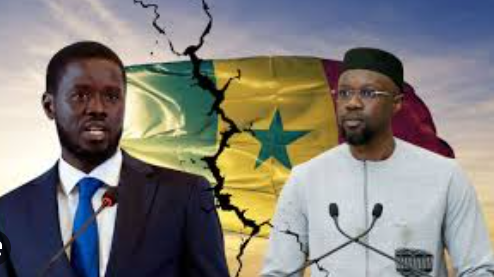
Senegal’s President Bassirou Diomaye Faye sacks PM Ousmane Sonko after months of tension. What the split means for IMF talks, the debt crisis, and West Africa’s economic outlook.
The Political Calculus Behind the Move
A Partnership Forged in Opposition Now Fractured
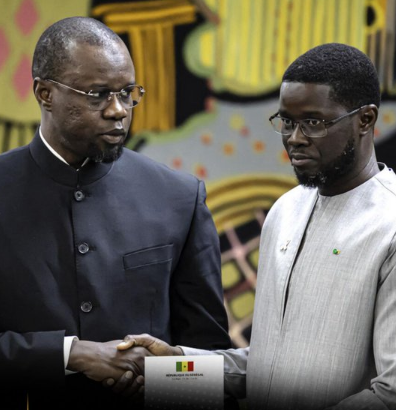
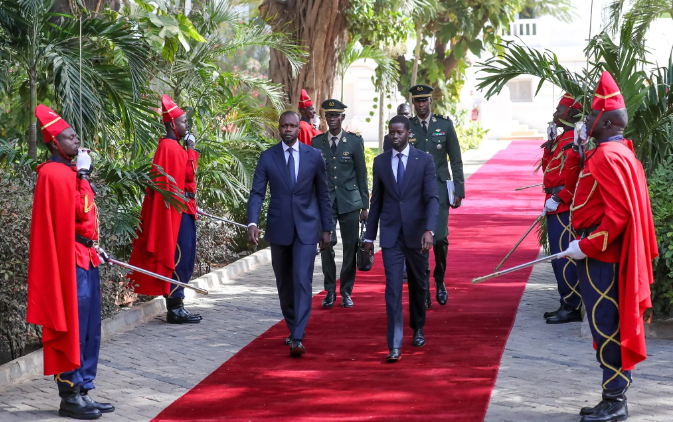
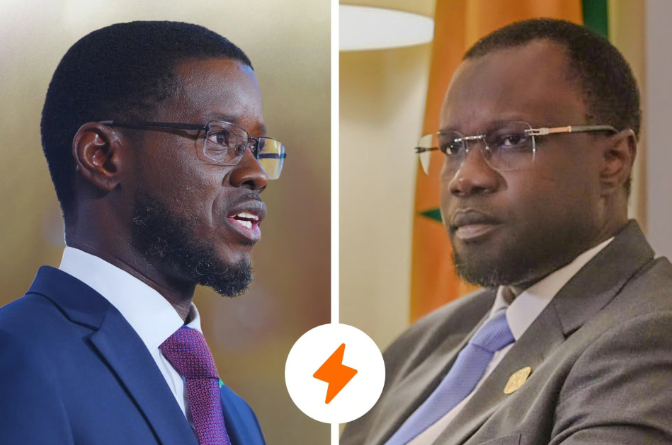
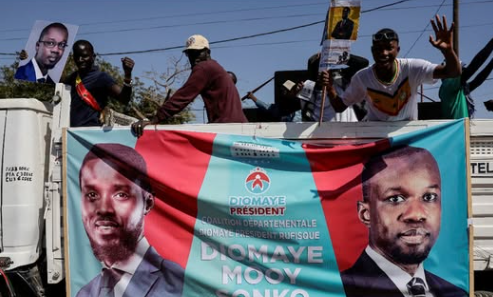
Senegal entered a new political era in March 2024 when Bassirou Diomaye Faye won the presidency with overwhelming youth support. His victory was inseparable from Ousmane Sonko, the charismatic opposition leader barred from running due to a defamation conviction. Under the slogan “Diomaye mooy Sonko” — Diomaye is Sonko — the pair campaigned on a promise of systemic change, anti-corruption, and economic sovereignty.
Faye appointed Sonko as Prime Minister immediately after his inauguration on April 2, 2024. The arrangement reflected Senegal’s unusual political reality: a president who held constitutional power and a prime minister who commanded the movement’s popular base. For over a year, the duo presented a united front against the legacy of former President Macky Sall and pledged to reset Senegal’s economic trajectory.
That alliance ended abruptly on May 22, 2026. President Faye dismissed Sonko and dissolved the entire government via a decree read on state television by presidential aide Oumar Samba Ba. The statement gave no immediate reason but confirmed that all ministers were relieved of their duties, with the outgoing cabinet handling affairs temporarily.
Months of Friction Boil Over
The dismissal did not come as a surprise to close observers. Tensions between Faye and Sonko had been mounting since late 2025. Disagreements over economic policy, debt management, and governance style became public. Sonko openly criticised what he called a “failure of leadership” in July 2025, while Faye moved to consolidate presidential authority.
Policy differences proved decisive. Finance Minister Cheikh Diba told parliament that Sonko had rejected proposals to raise fuel prices, a move deemed necessary to contain a subsidy bill projected to exceed 1.15 trillion CFA francs by 2026 if oil hits $115 per barrel. Sonko also opposed restructuring Senegal’s $13 billion debt under IMF guidance, a stance that put him at odds with the presidency’s more pragmatic approach.
The split now risks derailing negotiations with the International Monetary Fund. The IMF froze a $1.8 billion lending programme after discovering misreported debt that pushed Senegal’s debt-to-GDP ratio to 132% at the end of 2024. Finance Minister Diba said talks were set to resume the week of June 8, with hopes for a preliminary agreement by June 30. Analysts warn that the government shakeup could delay those discussions further.
What the Split Means for Senegal’s Economy
Senegal’s economic outlook depends heavily on restoring IMF confidence. Without a programme, the government faces limited options for managing debt servicing, fuel subsidies, and public investment. The dismissal raises three immediate concerns:
- IMF Negotiations Face Delays
Investors and lenders view political stability as a prerequisite for structural reform. A caretaker government slows decision-making. Faye’s move signals control, but it also introduces uncertainty at a critical moment. - Fiscal Pressure Intensifies
Fuel subsidies and debt servicing already strain the budget. If Sonko’s opposition to price adjustments reflected a broader populist constraint, Faye must now navigate unpopular reforms without his former ally’s political cover. - Investor Sentiment May Waver
Senegal had attracted attention for its reformist agenda and gas prospects. Prolonged political instability could dampen foreign direct investment, especially in energy and infrastructure sectors.
Constitutionally, President Faye holds the power to appoint and dismiss the prime minister. Practically, Sonko remained the more popular figure, especially among Senegal’s youth. His dismissal therefore carries political risk. Sonko responded on Facebook with characteristic calm: “Alhamdulillah. Tonight I will sleep with a light heart in the Keur Gorgui neighbourhood.” Hundreds of supporters gathered at his home shortly after midnight.
The move also reflects a broader tension within the PASTEF party. The party rode to power on a promise of rupture, but governing required balancing radical rhetoric with economic reality. Faye appears to have chosen institutional stability over party unity, a calculation that may define his presidency.
What Happens Next
No replacement for Sonko has been named. The presidency has not indicated a timeline for forming a new government. For now, ministers remain in place in an acting capacity.
For Senegal’s business community and international partners, the priority is clarity. Markets will watch whether Faye appoints a technocratic team capable of advancing IMF talks and reassuring investors. The stakes are high: Senegal’s credibility as a stable democracy and emerging energy hub is on the line.
The split between Faye and Sonko marks the end of Senegal’s most consequential political partnership in a decade. Whether it opens the door to decisive reform or ushers in prolonged uncertainty will depend on the president’s next move.