

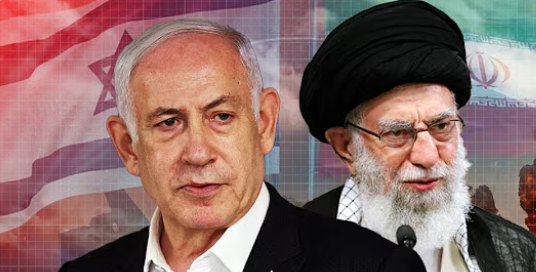
The concept of victory in modern warfare is multifaceted, and the actual truth is usually buried via media propaganda. Is war victory measured by destruction, survival, political gains, or public perception? Consequently, the recent conflict between Iran and Israel highlights the complexity of defining victory.
Mass Burial in Tehran
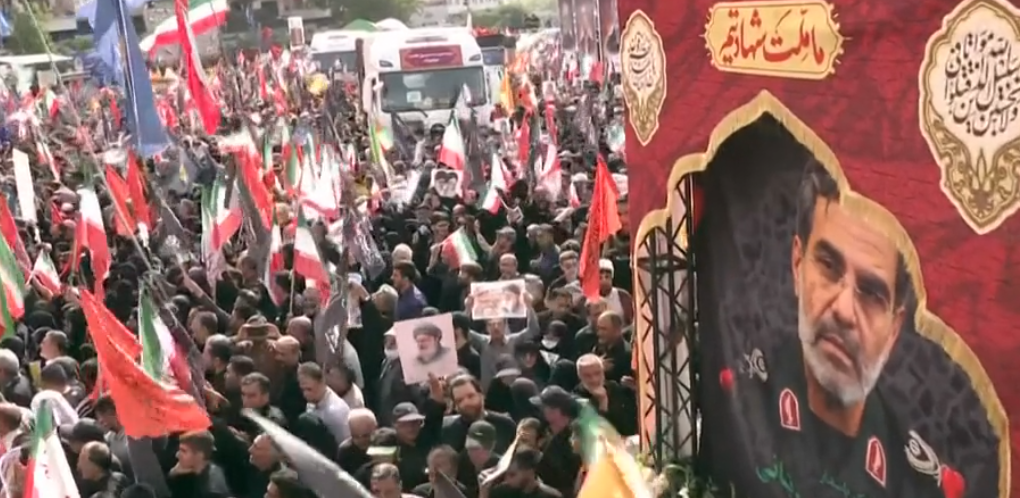
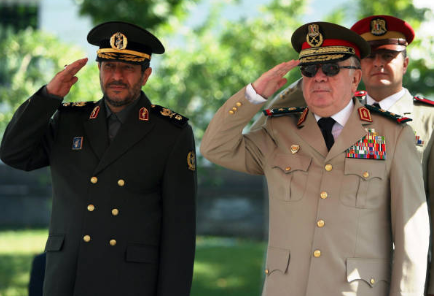
Today, the city of Tehran in Iran is witnessing the burial of its top military commanders, scientists and some civilians caught in the crossfire. Despite the deaths, Iranians nationalistic spirit is high as huge crowds are seen at the procession of their slain heroes and heroines.
Chronology of the Conflict
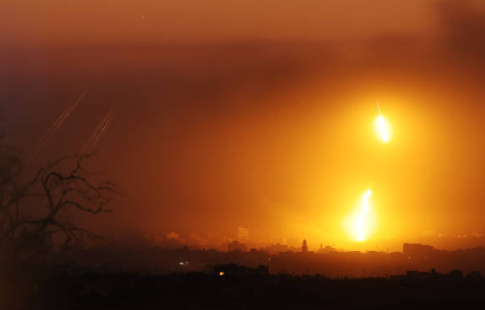
The 12-day war began on June 13, 2025, with an Israeli airstrike on an Iranian nuclear facility. In the same way, Iran retaliated with a barrage of missiles, targeting Israeli civilian homes and destroying a major hospital.
Israel’s Strategic Objective
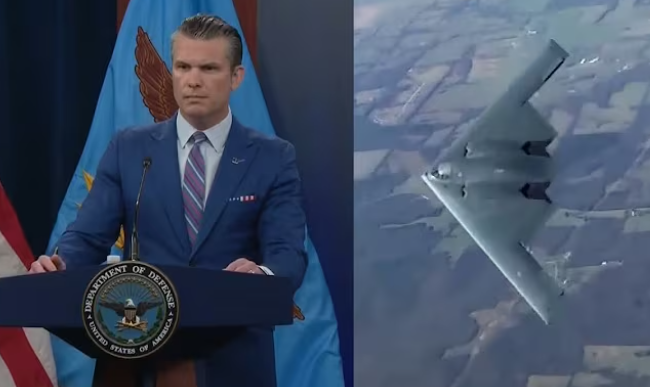
Israel’s primary objective was to disrupt Iran’s nuclear capabilities. Despite facing fierce retaliation, Israel remained focused on its goal, continuing its offensive with precision and resolve.
Why Israel Attacked Iran’s Nuclear Site
Israel considers Iran’s nuclear program an existential threat. The International Atomic Energy Agency (IAEA) reported that Iran was enriching uranium to near weapons-grade levels, accumulating enough to build multiple nuclear bombs.
Historical Context of Iran-Israel Hostility
Iran and Israel have been sworn enemies since 1979, following the Islamic Revolution. Consequently, Iranian leadership has frequently called for Israel’s destruction, and the two nations have no diplomatic relations.
Israel-Iran Relations Pre-1979: A Complex History
Prior to 1979, Israel and Iran had a complex and multifaceted relationship. Here’s a brief overview:
Early Relations (1948-1953)
Israel and Iran established diplomatic relations in 1950, with Iran recognising Israel’s sovereignty. The two countries cooperated on various levels, including trade, culture, and security.
Strategic Alliance (1953-1979)
In the 1950s and 1960s, Israel and Iran formed a strategic alliance, driven by mutual interests. Iran, under the rule of Shah Mohammad Reza Pahlavi, sought to counterbalance Arab nationalism and communism in the region. Israel, meanwhile, aimed to secure a reliable ally in the Middle East.
Economic Cooperation
Israel and Iran collaborated on various economic projects, including:
Oil exports: Iran supplied Israel with oil, which helped meet Israel’s energy needs.
Trade agreements: The two countries signed trade agreements, facilitating the exchange of goods and services.
Infrastructure development: Israel assisted Iran in developing its infrastructure, including roads, bridges, and irrigation systems.
Military Cooperation
Israel and Iran also cooperated on military matters:
Arms sales: Israel sold arms to Iran, including military aircraft and tanks.
Military training: Israeli military personnel trained Iranian forces in various combat techniques.
Cultural Exchange
The two countries engaged in cultural exchange programs:
Student exchange*: Israeli and Iranian students participated in exchange programs, promoting mutual understanding and cooperation.
Cultural events: Israel and Iran organised cultural events, including art exhibitions, concerts, and film festivals.
Decline of Relations (1977-1979)
The Israel-Iran relationship began to deteriorate in the late 1970s, due to various factors:
Iranian Revolution: The Iranian Revolution in 1979 led to the overthrow of the Shah and the establishment of an Islamic republic.
Ayatollah Khomeini’s rise: Ayatollah Ruhollah Khomeini, a fierce critic of Israel, became the supreme leader of Iran, marking a significant shift in Iran’s foreign policy.
The complex history of Israel-Iran relations pre-1979 laid the groundwork for the tense and often hostile relationship that exists today.
Financial Costs of the War
The war came at a steep financial price. Israel spent an estimated $200 million per day, while Iran spent between $80 million and $100 million on its retaliatory strikes.
Human and Structural Impact
The war resulted in significant human and structural damage. Israel’s offensive killed about 620 Iranians, including top military officials, while Iran’s retaliation killed 24 Israeli civilians and destroyed hundreds of homes and buildings.
Who Won?
From a strategic standpoint, Israel appears to have achieved its primary objective: damaging Iran’s nuclear capability and disrupting its nuclear ambitions. Iran, on the other hand, was able to demystify Israel’s most powerful defence shield, called the Iron Dome. Its missiles penetrated into the heart of Israeli cities. Consequently, the conflict’s heavy price in blood, resources, and long-term instability raises questions about the true meaning of victory.
Conclusion
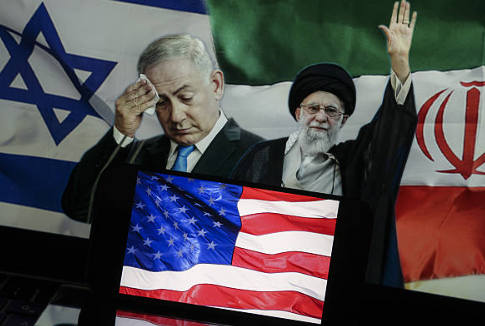
The war between Iran and Israel highlights the complexity of defining victory in modern warfare. While Israel may have achieved its strategic objectives, the conflict’s human and financial costs cannot be ignored. As the two nations move forward, it is essential to consider the long-term implications of their actions and strive for a more lasting and peaceful resolution. Conversely, the Middle East needs, lasting peace for its people and global economy.












txg8vr