
Introduction
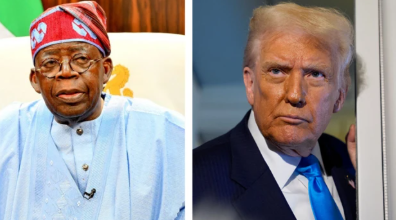
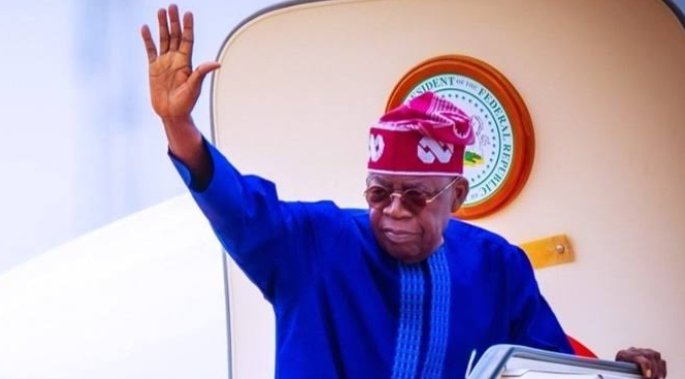
President Bola Tinubu addressed victims of the Jos attack at the airport shortly after their arrival rather than visiting affected communities directly. However, the presidency explained the reasons behind this unusual but significant gesture.
In a statement on Friday, the Special Adviser to the President on Information and Strategy, Bayo Onanuga, further explained. He said the decision was due to logistical and security constraints, particularly limitations at the Jos airport.
He claims that after meeting with Mahamat Idriss Déby Itno, the president of Chad, the president had originally intended to travel to Ogun State. However, after being briefed by Caleb Mutfwang, the governor of Plateau State, he changed his plans.
“After Governor Caleb Mutfwang’s briefing, President Tinubu suspended the trip to Ogun. Overnight, the Presidential Villa made arrangements for the visit to Jos, with presidential assets quickly deployed,” the statement said.
Background of the Jos Attack
The Jos attack involved a violent assault on civilians, resulting in numerous casualties. Thus, the incident shocked the nation and intensified concerns about security in the region. Many victims required urgent medical attention and government support. The attack underscored ongoing challenges in maintaining peace across Nigeria.
Tinubu’s Immediate Response
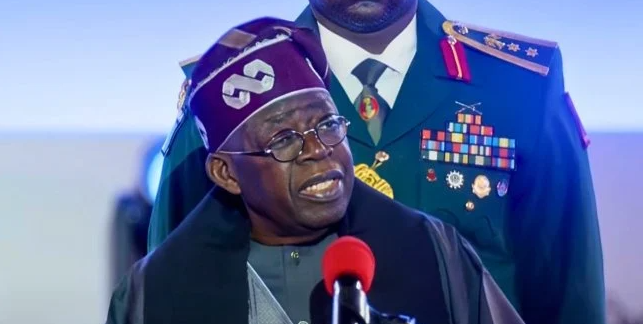
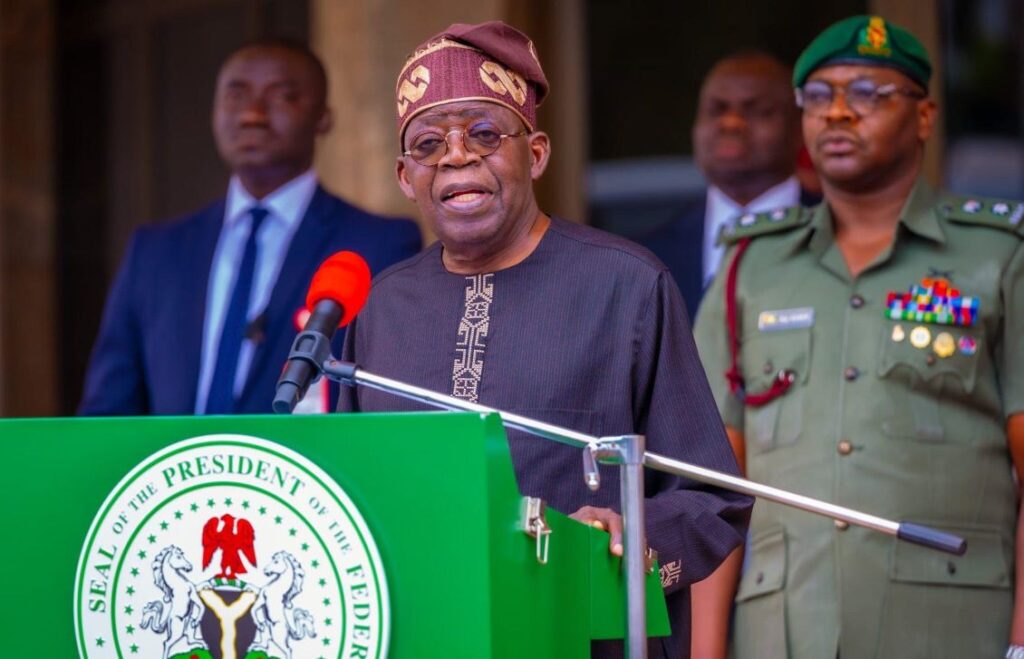
President Tinubu chose to meet the victims at the airport to show empathy and solidarity. His presence signalled the government’s commitment to addressing the crisis promptly. The president’s address aimed to reassure victims of government support and justice. This action emphasised the administration’s focus on human dignity and national unity.
Moreover, Tinubu’s message aimed to provide comfort and assurance to the victims and the nation. Consequently, he has directed the complete restructuring of the security architecture of the state
Presidency’s Explanation
According to Onanuga, he stated that the president found it challenging to enter the city and return before dusk due to operational limitations after arriving in Jos.
“While the road distance from the airport to Jos township is approximately 40 minutes, the runway does not support night flights due to the absence of navigational aids,” he said.
“The constraints made it unfeasible to drive into town, meet victims for on-the-spot assessment and return to the airport before dusk.”
Government agents consequently set up a meeting between the president and victims and community members at a hall close to the airport.
According to Onanuga, “State and federal officials decided to bring representatives of the affected community to a hall adjoining the airport so the president could meet with them promptly while adhering to flight restrictions.”
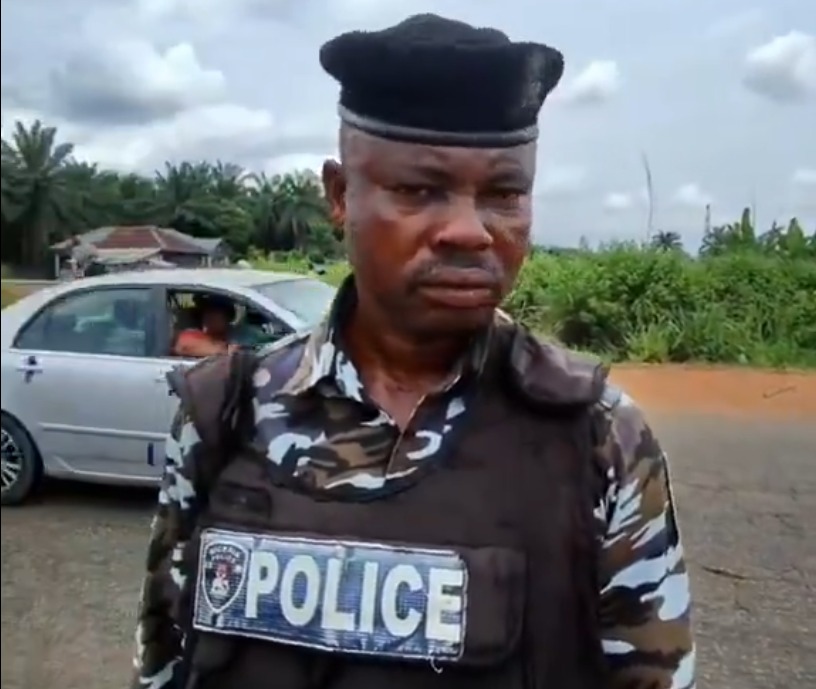
He mentioned that the Chief of Army Staff and the Inspector General of Police were among the high-ranking security officials who had previously visited the attack’s epicentre in Rukuba.
Chad President’s Visit
Onanuga clarified that the president’s departure to Jos was delayed due to the bilateral meeting with the Chadian leader, which was centred on enhancing security cooperation.
“The meeting ran longer than expected, affecting President Tinubu’s scheduled departure for Jos,” he stated.
Symbolic Importance
According to Onanuga, the president’s visit was intended to involve stakeholders and identify long-term solutions to the ongoing violence in Plateau State.
The visit by President Tinubu to Jos was far more than just symbolic. In order to address the underlying causes of violence and insecurity in the state, it needed a high-level, strategic engagement, he said.
He continued by saying that the president spoke with victims and assured them of the federal government’s dedication to peace and justice.
According to the statement, “He also listened to local leaders and assured them that the federal government would deliver justice and end the cycle of violence.”
Security and Support Measures
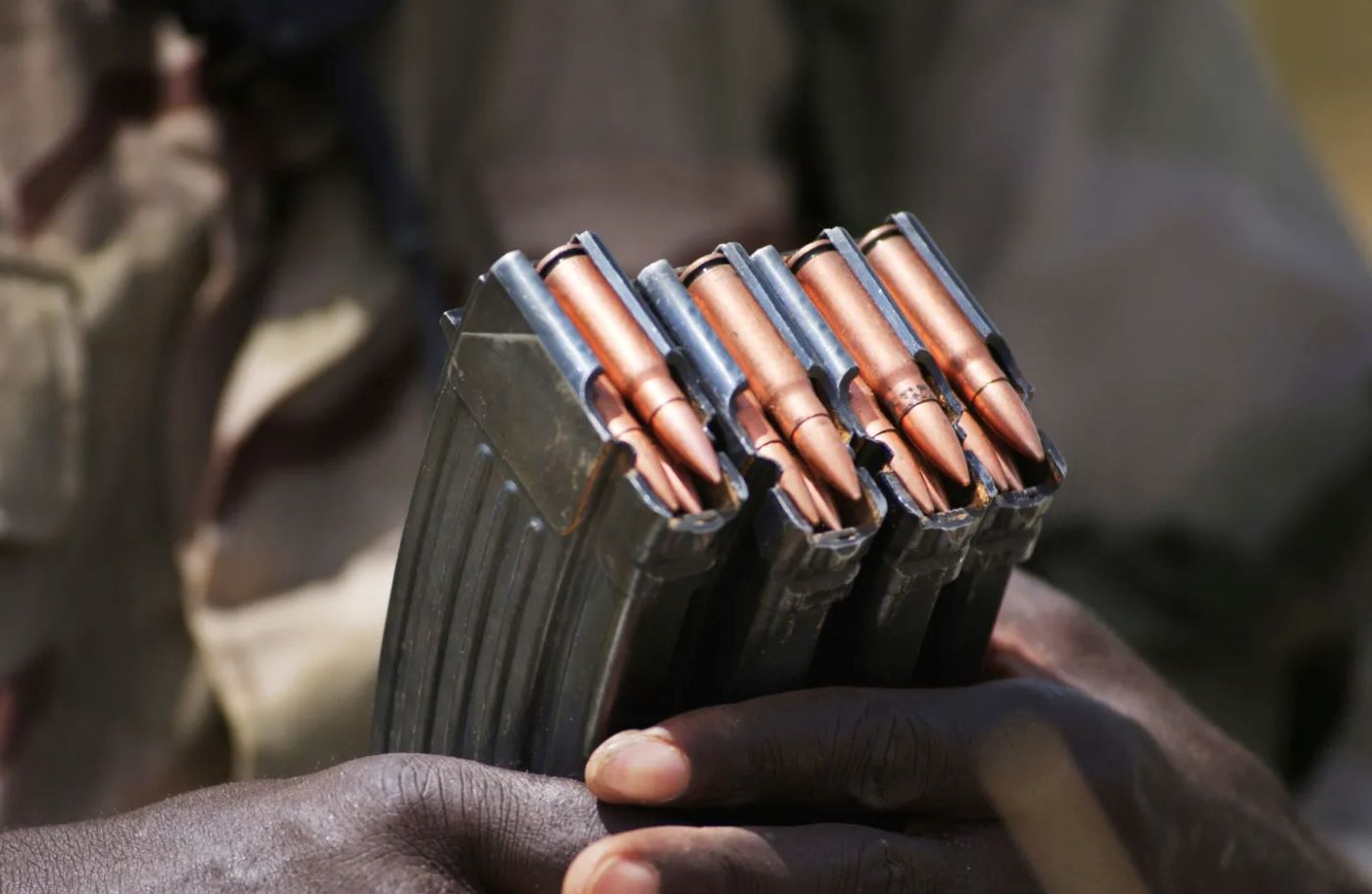
The nation was practically shocked at the new wave of unprovoked violence in the state. For this reason, President Tinubu also pledged to install “5,000 AI-enabled cameras to monitor the city and enhance the identification and arrest of troublemakers”, according to the presidency.
According to Onanuga, the president also extended an invitation to local leaders to visit Abuja for more talks about settling the crisis.
Despite criticism, he insisted that the visit’s goal was accomplished and added that the president made it clear that “sustainable peace must be built with the people, not imposed on them”.
Public and Political Reactions
Many Nigerians praised Tinubu for his hands-on leadership style. Supporters viewed the address as a sign of genuine concern and accountability. Critics, however, called him out for not visiting the epicentre of violence. Furthermore, they said that the nation needs sustained actions beyond symbolic gestures. The president’s visitation episode sparked discussions on government transparency and effectiveness in crisis management.
Challenges in Jos and Nigeria
Jos remains vulnerable to ethnic and religious tensions fuelling violence. Addressing root causes requires long-term strategies involving dialogue and development. Nigeria faces broader security challenges, including terrorism and communal conflicts. Strong leadership and community engagement remain vital for peace.
Role of Media Coverage
Extensive media coverage of Tinubu’s airport address amplified its impact. The visual of the president meeting victims resonated with many citizens. Moreover, the media played a crucial role in shaping public perception of the government’s response. Hence, responsible reporting contributed to national awareness and empathy.
Looking Ahead
The government’s challenge lies in translating symbolic acts into concrete results. Hence, continued focus on security, justice, and social cohesion is necessary. Tinubu’s approach may set a precedent for future crisis responses. Citizens and stakeholders watch closely for follow-up actions and improvements.
Conclusion
President Tinubu’s decision to address Jos attack victims at the airport reflects compassionate leadership. The presidency highlights this move as a commitment to immediate support and justice. While symbolic, the gesture underscores the importance of government responsiveness. Moving forward, sustained efforts must accompany such actions to ensure lasting peace and healing.