

Introduction
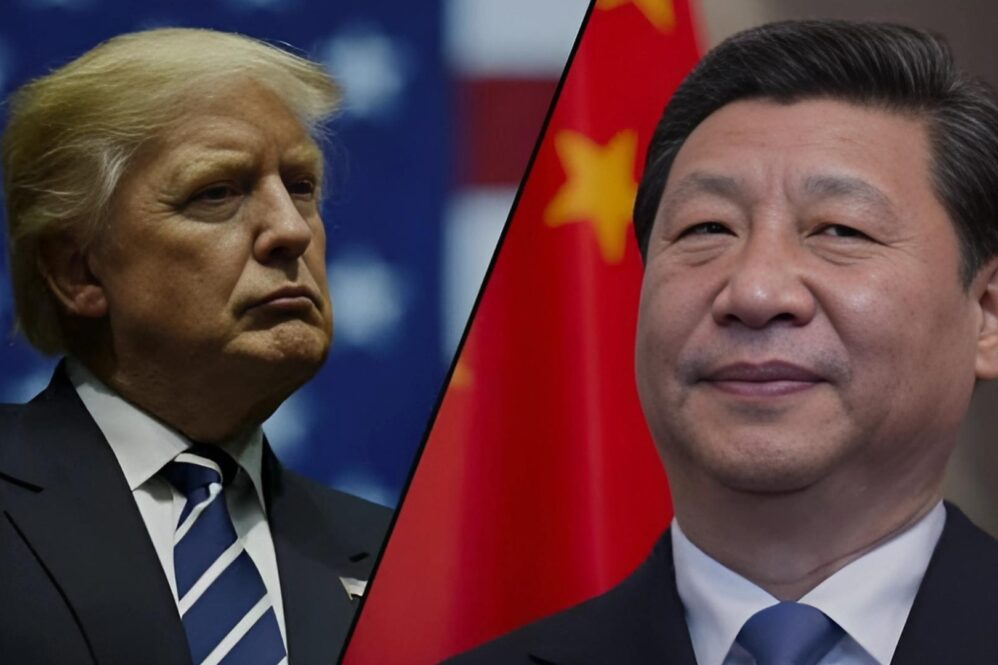
China has called for an immediate halt to hostilities following President Trump’s recent threats against Iran. Beijing urges all parties to exercise restraint and avoid escalating tensions. This appeal reflects China’s commitment to regional stability and diplomatic solutions. The situation remains fragile as the world watches closely for developments.
China’s Perspective
Following US President Donald Trump’s threat of significant strikes on the Islamic republic in the upcoming weeks, China demanded an immediate ceasefire in the Middle East on Thursday.
Beijing’s foreign ministry spokesperson Mao Ning urged “the parties concerned to immediately cease military operations”, stating that “military means cannot fundamentally solve the problem, and the escalation of conflicts is not in the interests of either side.”
Context of Trump’s Iran Threat
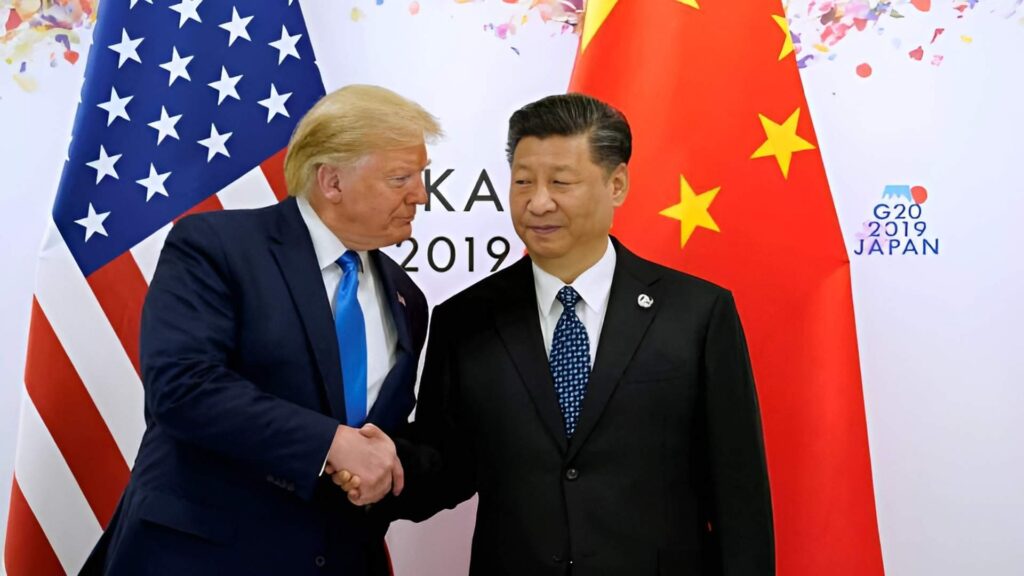
According to a previous report, Trump has promised that in two to three weeks, the U.S. military will strike Iran with such force that it will return to the Stone Age.
During a speech from the White House on Wednesday night, Trump issued the threat, claiming that the US is on schedule to accomplish all of its military goals in Iran.
China’s Position on the Conflict
China stresses peaceful resolution and diplomatic engagement in resolving disputes. Nevertheless, Beijing condemns any form of military escalation that risks regional security. It advocates for dialogue between the US and Iran to address core issues. No doubt, China’s position aligns with its broader foreign policy of non-interference and multilateralism.
Call for Immediate Halt to Hostilities
China explicitly called for an immediate stop to all military actions in the region. Moreover, it urged parties to respect international laws and norms. Furthermore, the call aims to prevent further violence and protect civilian lives. China’s plea highlights the urgency of calming the volatile situation swiftly.
Diplomatic Efforts and Mediation
The oriental nation offers to facilitate dialogue and support diplomatic negotiations between conflicting parties. In addition, it encourages the inclusion of regional stakeholders in the peace efforts. Beijing emphasises that sustainable peace requires cooperation and mutual understanding. Furthermore, it asserts diplomatic channels remain the preferred path to resolving the crisis.
International Reactions
Several countries welcomed China’s call for restraint and peace. Global powers recognise the importance of avoiding war in this sensitive region. Moreover, the United Nations also reiterated the need for peaceful conflict resolution. However, some nations remain sceptical about the effectiveness of diplomatic appeals.
Risks of Escalation
Experts warn that continued threats could trigger more aggressive military confrontations. And escalation risks destabilising the entire Middle East and affecting global security. Furthermore, the energy markets’ volatility experience has been short of terrible due to constant disruptions. Hence, preventing conflict is thus critical for regional and international stability.
China’s Strategic Interests
China has significant economic and geopolitical interests in the Middle East. Hence, it relies on the region for energy imports and trade routes. Stability ensures uninterrupted access to resources and economic partnerships. Thus, China actively promotes peace and security in its foreign policy.
Future Outlook
The situation remains tense, with diplomatic efforts ongoing. China’s call might influence other nations to prioritise dialogue over conflict. However, success depends on willingness from all parties to compromise and engage. The international community must remain vigilant and supportive of peace initiatives.
Conclusion
China’s call for an immediate halt to hostilities underscores the urgent need for peace. Following Trump’s Iran threat, restraint and diplomacy become more critical. The world hopes for de-escalation and constructive dialogue to prevent this war from escalating globally. China’s role as a mediator highlights its commitment to regional and global stability.