
Introduction
Zimbabwe Prioritizes Sovereignty in Health Sector Decision
Zimbabwe has decisively rejected a $350 million health deal offered by the United States. Instead, the country chooses to uphold its sovereignty and maintain control over its healthcare policies. Thus, this bold move highlights Zimbabwe’s commitment to self-determination and independence in managing its national health agenda.
Background: The Proposed US Health Deal and Zimbabwe’s Initial Considerations
Initially, Zimbabwe considered the $350 million health deal as a potential boost for its struggling healthcare system. The US offer promised financial aid aimed at improving medical infrastructure and access to essential services. However, after thorough evaluation, Zimbabwe’s government recognised the strings attached to the funding that could compromise its autonomy.
The Tough Decision
Conversely, government officials objected to Washington’s push for access to national health data and linkages to critical minerals. Consequently, the move also reflects Harare’s refusal to endorse a bilateral health architecture outside the WHO framework.
The US is debating cutting humanitarian aid to Zimbabwe and a number of other African nations at the time of the decision. Ambassador A.R. Chimbindi, Secretary for Foreign Affairs and International Trade, communicated the directive to senior finance and health officials on December 23.
This action signifies a definitive end to months of collaboration between Washington and Harare under the America First Global Health Strategy, which the US had promoted as its new mechanism for future support.
Concerns Over Conditionalities: Why Zimbabwe Said No
Zimbabwe’s leadership feared that accepting the deal might lead to external interference in its health policies. Since the deal reportedly included conditions that could influence Zimbabwe’s public health decisions. Such conditionalities raised alarms about the erosion of Zimbabwe’s policy-making independence, which the government firmly refused to accept.
Furthermore, Washington wanted long-term access to national health data, but Harare opposed it, viewing the request as an incursion that might reveal private population-level data.
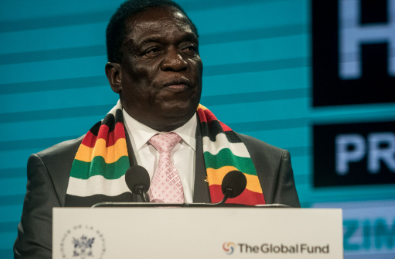
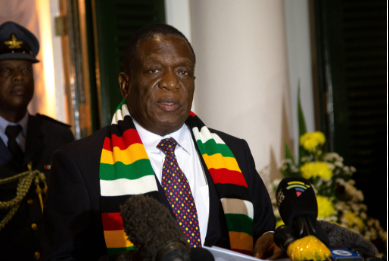
“Please be advised that the President, His Excellency Dr Emmerson Dambudzo Mnangagwa, has directed that Zimbabwe must discontinue any negotiation with the USA on the clearly lopsided MoU that blatantly compromises and undermines the sovereignty and independence of Zimbabwe as a country,” the letter said.
Sovereignty Over Money: Zimbabwe’s Strategic Decision
Attempts to incorporate Zimbabwe’s vital mining ecology into the larger health arrangement further upset negotiators, as advisors felt this would give the US a strategic advantage over unrelated industries that are essential to the nation’s future economic power.
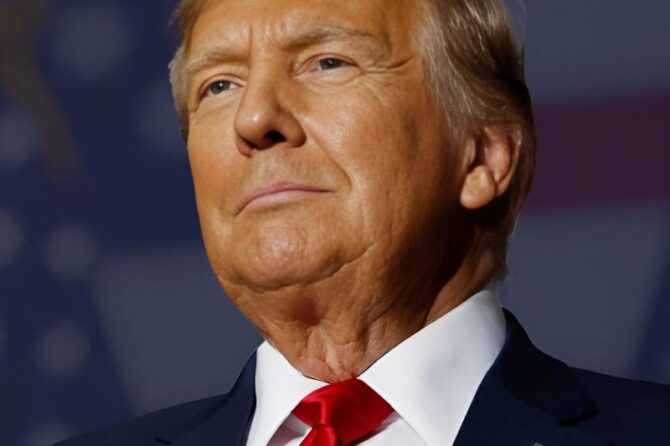
The government’s opposition also demonstrates a moral position on the governance of global health. Officials contended that signing a bilateral health agreement with Washington would violate Zimbabwe’s commitment to multilateralism, especially after the US withdrew from the World Health Organization under the Donald Trump administration.
Implications for Zimbabwe’s Healthcare Sector
The rejection from Harare occurs at a vulnerable time, as there is a possibility that Zimbabwe will receive less US aid for humanitarian causes even as it moves away from Washington’s new funding paradigm.
With the downsizing of USAID and internal State Department communications hinting at a responsible exit from several African nations, Zimbabwe risks losing long-standing support for HIV treatment, nutrition programmes and other essential services previously categorised as life-saving.
No doubt, Zimbabwe’s decision will impact its healthcare funding landscape significantly. Although the country may face short-term financial challenges, it aims for long-term sustainability. Zimbabwe plans to mobilise domestic resources and seek partnerships without compromising its policy independence.
Global Reactions: Support and Criticism
Internationally, Zimbabwe’s rejection sparked mixed reactions. Some nations and health advocates praise Zimbabwe for protecting its sovereignty. Conversely, critics argue that turning down such substantial aid could hinder health sector improvements. Nonetheless, Zimbabwe remains firm in its stance, prioritising national interests.
Future Prospects: Zimbabwe’s Path Forward in Health Development
Zimbabwe intends to strengthen its healthcare system independently. For this reason, the government looks to enhance local capacity, invest in homegrown solutions, and foster equitable partnerships. This approach aims to ensure health improvements that align with Zimbabwe’s unique needs and values without compromising its internal security.
However, despite the domestic blowback surrounding the draft MoU, Washington’s health diplomacy continues to gain momentum elsewhere on the continent, with more than a dozen African countries already signing similar agreements.
Conclusion: Sovereignty as Zimbabwe’s Core Principle in Health Policy
Zimbabwe’s rejection of the $350 million US health deal underscores its commitment to sovereignty. Hence, the nation chooses self-reliance and control over external influence in health governance. This decision reflects Zimbabwe’s broader goal to build a resilient and autonomous healthcare sector for its people.