

Nigerian Leader Denies One-Party Plan After Accusations of Clamping Down on Opposition
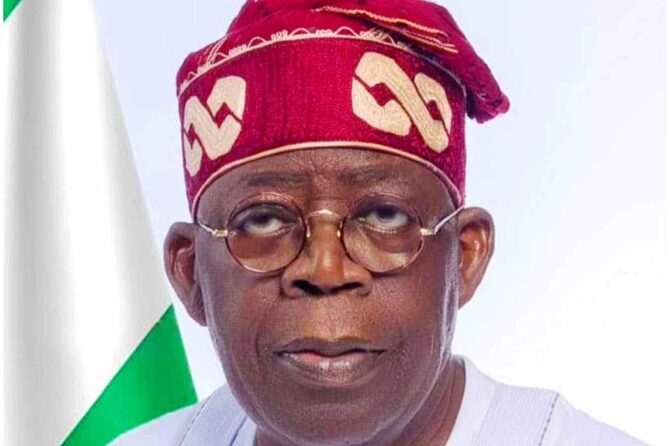
Abuja, June 12, 2025 – Nigerian President Bola Tinubu has firmly denied allegations that his administration plans to transform Nigeria into a one-party state, pushing back against claims that he is using state resources to coerce opposition politicians to defect to the ruling All Progressives Congress (APC).
Speaking during his Democracy Day address to a joint session of the National Assembly, Tinubu stated unequivocally,
“At no time in the past, nor any instance in the present, and at no future juncture shall I see the notion of a one-party state as good for Nigeria.”He emphasized that he would be “the last person” to support abandoning Nigeria’s multiparty democracy.
The denial comes amid a wave of defections by several governors and federal lawmakers from opposition parties, notably the Peoples Democratic Party (PDP), to the APC in recent months. This trend has fueled fears among critics that Nigeria’s democracy is shrinking and that the ruling party is consolidating power at the expense of political pluralism.
Abdullahi Ganduje, APC’s national chairman, stirred controversy by stating there was “nothing wrong” with Nigeria becoming a one-party state, comments that drew widespread condemnation from opposition parties and civil society groups.
Opposition Criticism and Protests
The PDP and other opposition figures have accused Tinubu’s administration of using “compromised state apparatus” to weaken opposition parties and silence dissent. Debo Ologunagba, PDP’s spokesperson, urged Nigerians to resist what he described as “a plot to foist a despotic one-party regime in Nigeria.”
Dozens of youths staged protests in Lagos, Nigeria’s economic hub, accusing the government of poor governance and exploiting state resources at the expense of ordinary citizens.
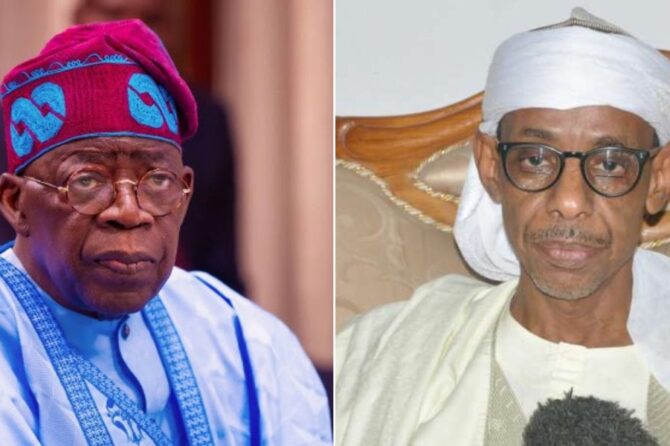
The Action Democratic Party (ADP) also criticized Tinubu’s denial as insincere, alleging that the President is overseeing a systematic capture of the state by loyalists and associates, particularly from his ethnic group, in critical sectors such as oil, finance, and national security. ADP National Chairman Engr. Yabagi Sani described the political space as being “dismembered” under Tinubu’s watch.
Support and Calls for Opposition Unity
Some members of the ruling party, including Senator Ali Ndume, have cautioned against one-party dominance, calling it “a sign of the death of democracy” and advocating for a political system that discourages mass defections.
Former Senate President Bukola Saraki praises Tinubu’s rejection of a one-party state, calling it a positive affirmation of Nigeria’s democratic principles. However, he also urged opposition parties to “set their houses in order” ahead of the 2027 general elections.
Summary
President Tinubu’s firm rejection of one-party rule aims to reassure Nigerians and international observers of his commitment to Nigeria’s multiparty democracy. Nonetheless, ongoing defections, opposition protests, and allegations of state capture continue to fuel debate about the health and future of Nigeria’s democratic system.