
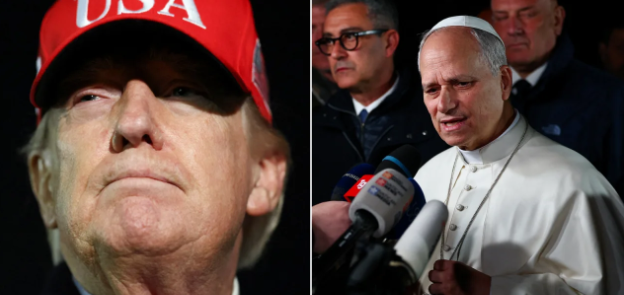
US President Donald Trump has openly criticised Pope Leo XIV for opposing war with Iran. Consequently, Trump described the pontiff as “a very liberal person” and expressed disapproval of his stance on global conflicts. This unusual clash highlights tensions between political leadership and religious authority on foreign policy.
Background: Pope Leo XIV and His Stance on Global Conflicts
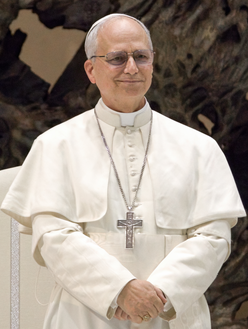
Pope Leo XIV has historically opposed military interventions and advocated for peace and diplomacy. His papacy emphasises humanitarian values and conflict resolution through dialogue. Consequently, the pope’s opposition to war against Iran reflects a broader commitment to protecting innocent lives. Moreover, he warns against escalating tensions that could harm global security.
Trump’s Viewpoint on Pope Leo XIV’s Position
Conversely, Trump champions a strong military approach to foreign threats, including Iran. He perceives the pope’s anti-war message as weakness in addressing security challenges. Speaking to reporters at Joint Base Andrews on Sunday, Trump labelled the pope as “very liberal”, suggesting disagreement with the pontiff’s progressive and diplomatic methods. He also criticised the pope’s approach to crime and foreign policy as ineffective.
“I’m not a big fan of Pope Leo. He’s very liberal and doesn’t believe in stopping crime,” Trump said, adding that he disagrees with the pope’s position on countries pursuing nuclear weapons.
The Pope’s Speech and Trump’s Reaction
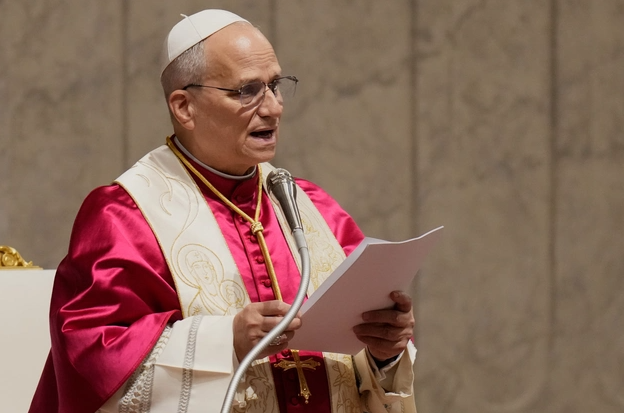
Trump’s remarks follow Pope Leo’s impassioned plea for peace at a Vatican ceremony at St Peter’s Basilica. The pope called on international leaders to put an end to bloodshed and put communication above conflict.
Many see his speech, which denounced the exaltation of power and bloodshed, as a reaction to growing hostilities between the US and Iran.
The US leader also took to his Truth Social platform to reinforce his remarks, insisting he does not support a pope who appears tolerant of Iran possessing nuclear capabilities.
Historical Tensions Between Political and Religious Leaders
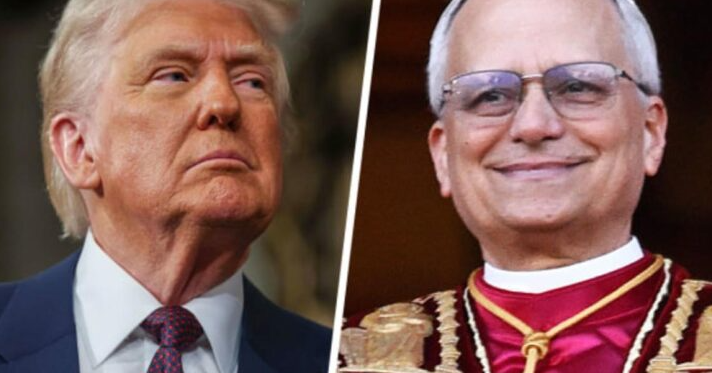
Conflicts between political leaders and religious figures over war are not new. Historically, popes have influenced peace and justice debates worldwide. Political leaders often clash with the church when their policies diverge from moral teachings. This dynamic reflects the broader struggle between secular governance and religious ethics.
The US-Iran Relationship and Its Influence
The US and Iran have experienced decades of strained relations, marked by sanctions and diplomatic breakdowns. Trump’s administration adopted a hardline stance, withdrawing from the nuclear deal and imposing sanctions. The pope’s opposition to conflict challenges this approach, urging diplomacy instead. This divergence illustrates contrasting visions for regional stability.
Implications of Trump’s Criticism for International Relations
Trump’s public denunciation of Pope Leo XIV may strain US-Vatican relations. It could also polarise global opinion on the Iran conflict. Religious communities may feel alienated by the president’s remarks. Meanwhile, political supporters may rally behind Trump’s assertive foreign policy posture.
However, the conversation demonstrates the escalating hostilities between Washington and the Vatican, especially with regard to matters like immigration laws and military action. Furthermore, the differences in tone and strategy have been more apparent, even if both sides have minimised rumours of a significant rift.
Importantly, Pope Leo has often urged world leaders, especially the United States, to exercise moderation and seek peaceful solutions in spite of the criticism.
Media and Public Reactions
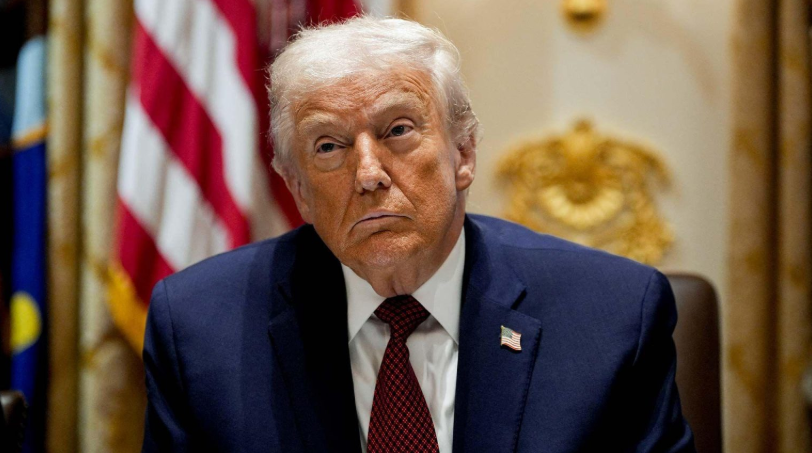
Media outlets have widely covered the dispute, highlighting its unusual nature. Some criticise Trump for disrespecting a religious leader. Others support his tough stance on Iran’s threats. For this reason, public opinion remains divided, reflecting broader societal debates about war, peace, and leadership.
Potential Impact on US Domestic Politics
Trump’s comments resonate with his political base, emphasising strength and security. However, they risk alienating moderate and religious voters who favour diplomacy. Trump’s most recent comments highlight the growing gap between religious authority and political leadership on important global issues and represent an uncommon and direct public attack on a reigning pope.
The controversy may influence upcoming elections and party dynamics. Furthermore, it underscores the politicisation of foreign policy debates in the US.
Pope Leo XIV’s Response and Diplomatic Efforts
The Vatican typically responds to criticism with calls for dialogue and understanding. In addition, Pope Leo XIV continues to advocate for peaceful solutions and humanitarian aid. His diplomatic efforts aim to bridge divides and reduce conflict risks. Thus, the pope’s role as a moral compass remains vital amid geopolitical tensions.
However, Trump’s most recent comments highlight the growing gap between religious authority and political leadership on important global issues and represent an uncommon and direct public attack on a reigning pope.
Conclusion: Navigating the Clash Between Politics and Religion
The clash between Trump and Pope Leo XIV highlights fundamental differences in addressing global conflicts. Additionally, it reflects ongoing debates about war, diplomacy, and leadership styles. Both figures influence millions, shaping public perceptions and policy directions. Ultimately, balancing political security interests with ethical considerations remains a complex challenge.