
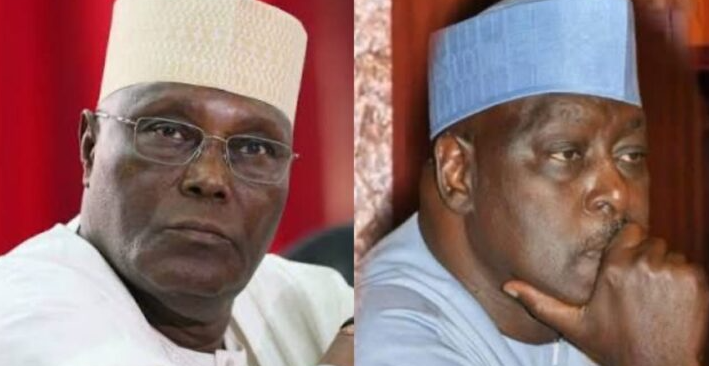
In a dramatic move shaking the African Democratic Congress (ADC), the Adamawa faction has suspended former Vice-President Atiku Abubakar, Babachir Lawal, and Sadiq Ibrahim. The faction accuses them of causing disunity, undermining lawful leadership, and disregarding court orders. Thus, this bold suspension highlights the deep fractures within the party and raises questions about ADC’s future stability.
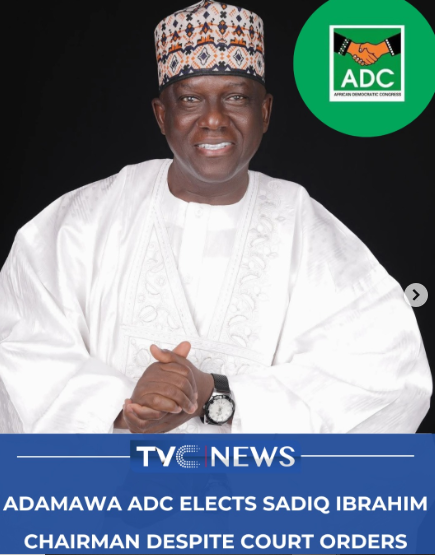
Factional Power Struggles Escalate in ADC Adamawa
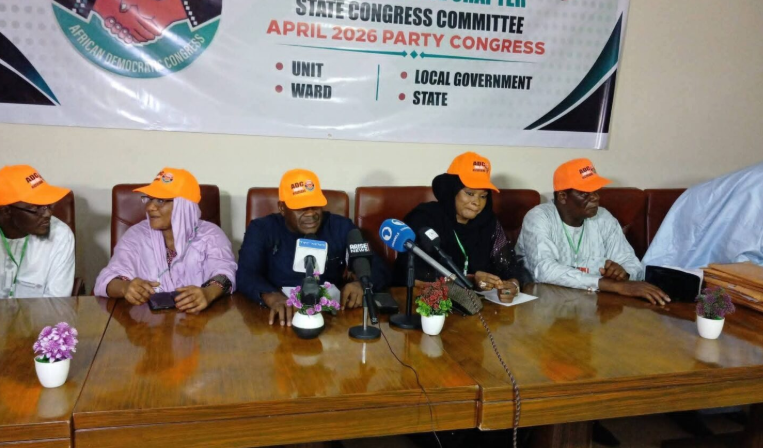
Raji Zumo, leader of the Adamawa faction, did not mince words at Monday’s press conference in Yola. Furthermore, he stressed that no member, irrespective of political stature, is above the party’s laws. His tough stance aims to curb what he calls “parallel structures” and restore order. However, insiders suggest this suspension reflects a broader power struggle fuelled by competing ambitions and unresolved grievances.
“The African Democratic Congress is built on discipline, justice, and the supremacy of law. In view of the foregoing and after executive consultation, the leadership of the ADC in Adamawa State hereby announces the immediate suspension of the following individuals from the party.
“This action is taken in the best interest of the party to restore order, protect its dignity, and reaffirm our commitment to democratic values.” Zumo said.
The Shadow of Legal Battles Over ADC Leadership
Since mid-2025, ADC has been embroiled in bitter disputes over leadership legitimacy. Moreover, Nafiu Bala, a former deputy national chairman, challenged David Mark’s faction, alleging illegal appointment. Consequently, the Independent National Electoral Commission (INEC) sided with Bala by derecognizing the Mark-led faction in April 2026. With the Supreme Court hearing Mark’s appeal imminent, the party’s leadership remains in limbo, deepening the crisis.
Corruption Allegations Cast a Long Shadow
Beyond factional disputes, ADC wrestles with allegations of corruption among its top politicians. Critics accuse many within the party of using public office for personal enrichment. Babachir Lawal, once SGF, faced corruption charges in the past, tainting his reputation. Similarly, some observers argue that factional battles often mask underlying struggles over access to party funds and patronage networks. This environment of mistrust hampers effective governance and fuels disunity.
Implications of the Suspension for ADC’s Credibility
Suspending high-profile figures like Atiku Abubakar signals a desperate attempt to assert control and discipline. Yet, it risks alienating large sections of the party’s supporters who see the move as politically motivated. This internal purge could erode public confidence in ADC’s ability to present a united front in upcoming elections. Moreover, the suspension highlights the party’s fragile institutional structures.
Responses and Reactions: A Brewing Storm
So far, Atiku and the other suspended members have remained silent publicly. However, political analysts predict fierce counter-moves from their supporters. The factional ADC’s critics warn that this suspension may deepen divisions, potentially splintering the party further. Meanwhile, grassroots members express frustration over the party’s ongoing infighting, fearing it distracts from delivering on campaign promises.
Raji Zumo’s Leadership: Firm but Controversial
Raji Zumo positions himself as a disciplinarian championing rule of law within ADC Adamawa. His faction’s actions reflect a broader push to centralise authority and stamp out dissent. Consequently, Zumo announced the suspension of the politicians during a press conference on Monday in Yola, the state capital.
“Let it be clearly stated, no individual, regardless of his status or influence, is above the law or the constitution of the African Democratic Congress, as long as he is a card-carrying member of the party,” Zumo said.
However, critics argue that Zumo’s approach risks alienating key stakeholders and exacerbating factional tensions. Balancing discipline with inclusivity remains a daunting task for his leadership.
Broader Political Context: Reflecting Nigeria’s Party Challenges
ADC’s saga mirrors a common pattern in Nigerian politics where internal wrangling and corruption allegations weaken political parties. Many parties face similar struggles to maintain cohesion amid personal ambitions and financial interests. ADC’s crisis underscores the urgent need for reforms to enhance transparency, accountability, and democratic governance within parties.
Opposition Accuses Government of Destabilizing Parties; Tinubu Affirms Commitment to Democracy
Opposition parties accuse President Bola Tinubu’s government of destabilising their organisations using state resources to weaken political competition. They claim these tactics aim to consolidate power ahead of upcoming elections, raising concerns about the fairness of Nigeria’s democratic process.
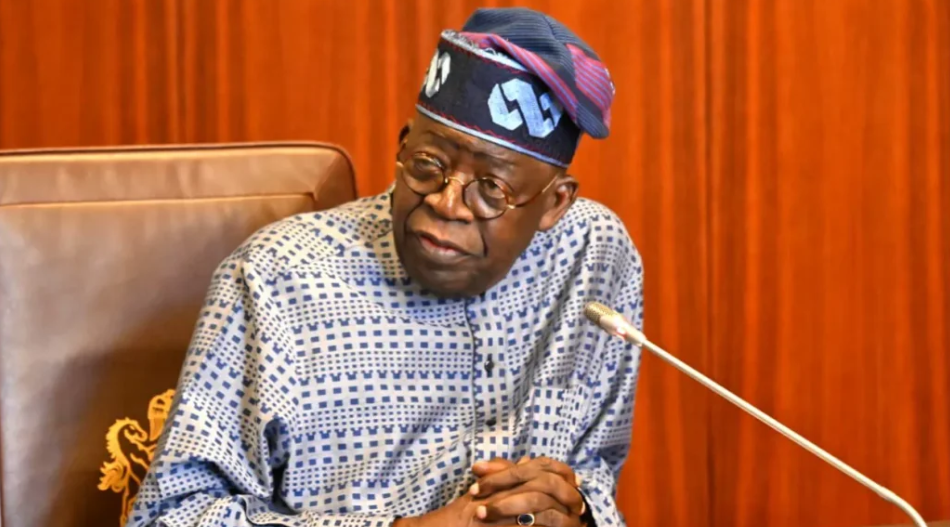
In response, President Tinubu affirms he remains a firm democrat, hence his commitment to democracy, and rejects any notion of a one-party state. However, he makes it clear that opposition parties must resolve their internal issues independently, without expecting government intervention or support. This stance underscores Tinubu’s belief in political plurality while emphasising opposition parties’ responsibility to strengthen themselves.
Future Outlook: Uncertain Path Ahead for ADC
With the Supreme Court set to rule on the leadership dispute, ADC stands at a crossroads. The party must reconcile its factions or risk further fragmentation. Winning back public trust demands addressing corruption concerns and fostering genuine unity. How ADC navigates this turbulent period will shape its political relevance in Nigeria’s evolving landscape.
Conclusion: ADC’s Fight for Survival Amid Turmoil
The suspension of Atiku Abubakar and other top figures reveals the deep challenges within ADC. However, power struggles, legal battles, and corruption allegations threaten to unravel the party’s fabric. Yet, these crises also offer a chance for renewal if the party embraces reforms and prioritises democratic principles. ADC’s future depends on its ability to overcome internal divisions and present a credible alternative to Nigeria’s electorate.