
Says, “Refuse to Sell the Rock Twice.”
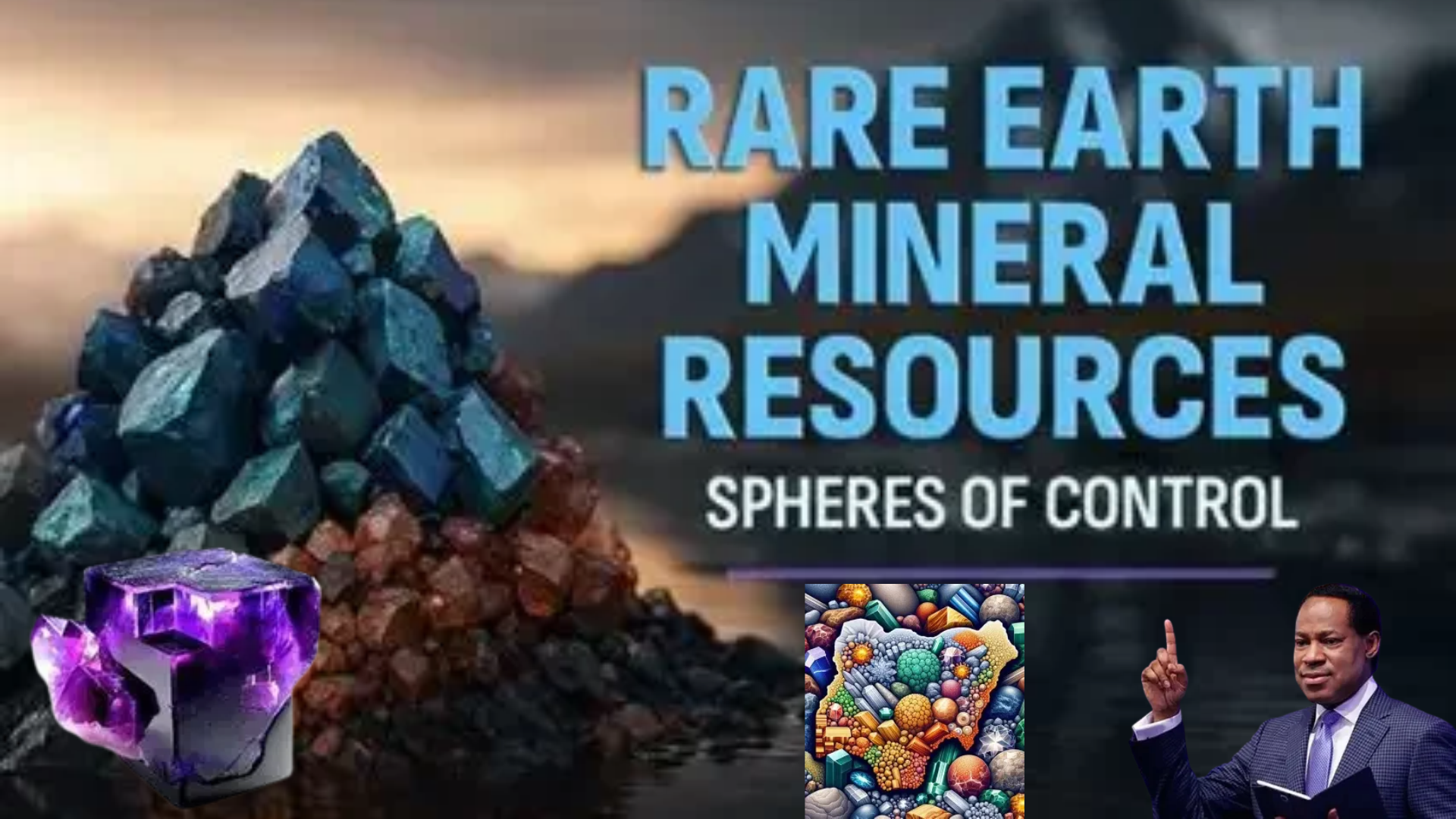
Every artificial intelligence that promises to think for humanity is, at bottom, a mining operation.
The model in your phone runs on data centres. The data centre runs on chips, cooling and grid-scale power. The chips run on tantalum from coltan, on copper, on gold, and on high-purity silicon. The batteries behind the backup generators run on cobalt and lithium. The casings run on graphite and rare earths. Follow the chain far enough, and it terminates, again and again, in African soil.
Thirty Per Cent of the Rock, One Per Cent of the Value
Africa has approximately 30% of the world’s critical mineral reserves — lithium, graphite, cobalt, coltan, manganese, platinum, tantalum, and bauxite — but only receives about 10% of the revenue generated by these minerals. The Democratic Republic of Congo alone accounts for approximately 69% of global cobalt extraction. Furthermore, the continent supplies approximately 76% of the world’s manganese.
However, Africa refines only about one-fifth of the key energy minerals it mines, with most others refining less than 5%. As a result, Africa accounts for less than one percent of the value generated by clean-energy manufacturers. In short, Africa produces 30% of the rock but only retains 1% of the value. Do not call that participation. Call it as it is.
The Old Colonial Arithmetic in a New Uniform
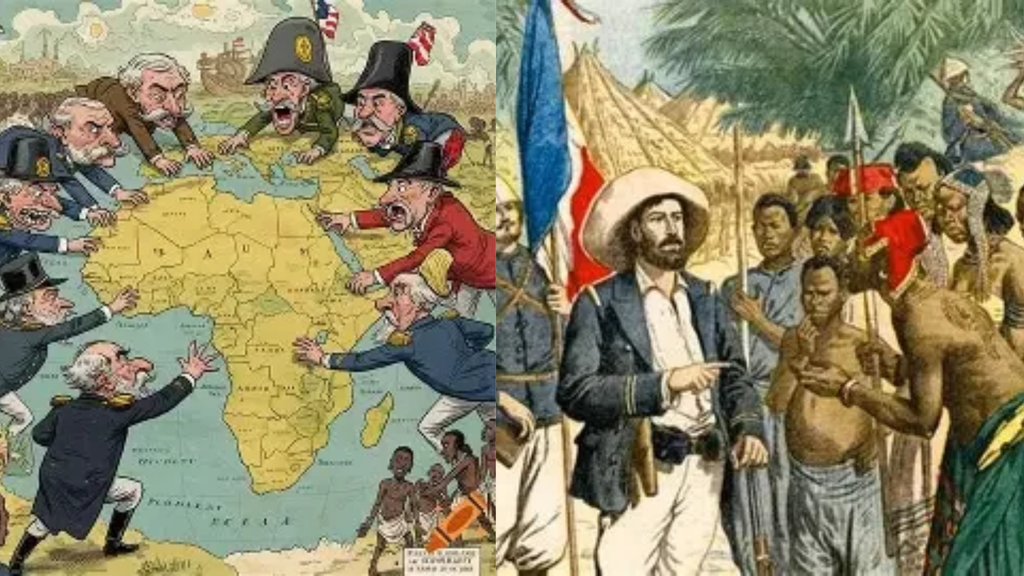
This is the old colonial math in a new uniform. Our ore departs as rock and reappears as a phone, server rack, battery, or inference bill. The West simply learned to extract downstream, where the margin resides, rather than ceasing to extract from Africa. Additionally, the scramble now has a new justification: strategic rivalry. Even the US acknowledges that the market for essential minerals is “highly concentrated, leaving it a tool of political coercion.”
Each delegation that travels to Abuja, Kinshasa, and Lusaka with a framework for partnership is negotiating from that concession. What we have is not the question for this continent. We are prepared to continue selling it at a low price. Eliminate all passive voices and increase the percentage of transition words to 90%.
The Position Pastor Chris Has Taken
Rev Dr Chris Oyakhilome, President of the Loveworld Nation, has spent decades refusing that arithmetic. His instruction to Africa is unambiguous: “No one will build Africa for us. Africa will be built by Africans.” He has publicly called on the continent to wake up and step out and to reject the manipulators and oppressors who would keep it a passenger in its own resources. His teaching on what he terms wealth liquefaction cuts directly against the raw-materials mentality: wealth is created by converting ideas, resources and opportunity into value — not by hauling them elsewhere for someone else to convert.
Hence his challenge to African enterprise: “We will turn waste into profit.” Where the world sees scrap, the innovator sees a factory. He teaches that the power to get wealth is a divine enablement to produce, create and attract value. Note the verbs. None of them is “transport”. None of them is “lease our land to a foreign processor”. A theology of production cannot bless an economy of extraction.
Loveworld Is Not Merely Preaching It
The Tsion vehicle line, unveiled by Pastor Chris, and PraxiomAI (PraxiomAI.io), the biblical-worldview AI platform, are proof that the ecosystem builds rather than hosts. These are not charity projects. They are declarations of sovereignty — manufactured on African soil, designed for African markets, built on African conviction.
What Must Be Demanded
Five demands must be pressed upon every African government and regional body:
First, no export of unprocessed critical minerals without a binding, dated beneficiation plan.
Second, refining and processing capacity built on African soil, with African ownership stakes — not special economic zones where Africans serve coffee.
Third, sovereign compute: African data centres that are owned, not merely inhabited, because hosting is tenancy.
Fourth, aggressive skills development through our own technical universities.
Fifth, negotiate as a bloc, because a cartel of sellers is the only answer to a cartel of buyers.
The Invoice Africa Has Not Yet Presented
The African Centre estimates that local processing could lift the continent’s mineral value by nearly 50 per cent by 2035, to roughly US$220 billion. That is not a projection. That is an invoice we have not yet presented. Africa’s minerals should not merely power artificial intelligence. They should pay for African schools, African hospitals and African servers. Refuse to sell the rock twice.
**Henry Williams is a veteran journalist, pro-life advocate and international affairs analyst. ****