

That Defined the 2026 World Cup
The FIFA World Cup has always been a stage for heroes, heartbreak, and history. Yet the 2026 tournament delivered something truly extraordinary. It gave us unforgettable matches, sure. But more than that, it served up stories that blurred the line between coincidence and destiny. From a Dutch father-son penalty curse to Norway’s unprecedented family legacy, and finally a prophetic embrace between football’s past and future, this World Cup reminded us all that sometimes, the beautiful game writes its own script.
A Dutch Curse Across Generations: The Kluivert Penalty Heartbreak
Football can be exceptionally cruel. For the Kluivert family, it delivered an astonishing case of history repeating itself.
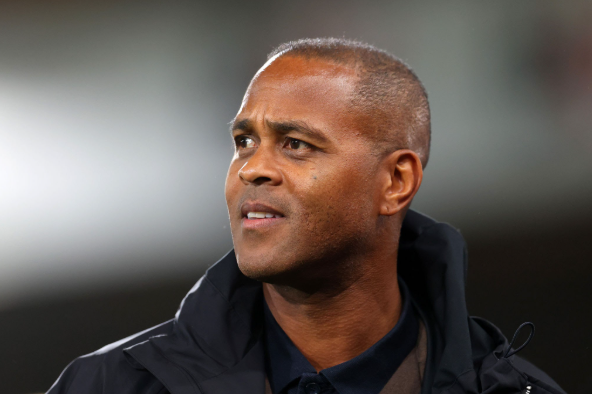
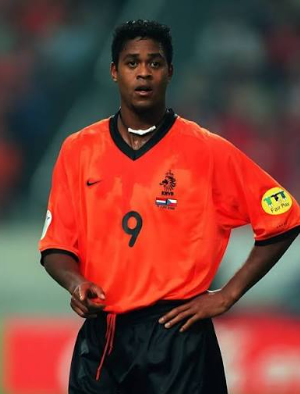
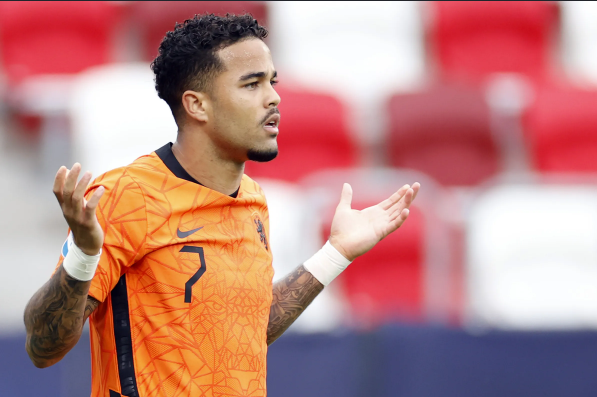
Back on June 29, 2000, Patrick Kluivert missed a critical penalty in the Euro semifinal against Italy. His spot-kick struck the right upright. The Netherlands crashed out. The dream ended right there.
Fast forward twenty-six years. Almost to the exact date, his son Justin Kluivert relived that nightmare. He came on as a 113th-minute substitute against Morocco in the World Cup Round of 32. The coaching staff picked him specifically for his penalty record—he had converted six from six in the Premier League. Yet the result was hauntingly identical. His penalty crashed against the same right post. The Netherlands lost 3-2 in the shootout.
“It’s even more bitter for him and for us,” admitted Dutch coach Ronald Koeman. The coincidence stunned fans worldwide. Many called it one of sport’s most astonishing coincidences. Indeed, the Kluiverts became only the second father-son duo in World Cup history to both lose penalty shootouts. Some labelled it a curse. Others saw it as football’s cruel poetry.
Norway’s Viking Legacy: Three Families, One Extraordinary Destiny
If the Kluivert story was about heartbreak, Norway’s 2026 campaign was about redemption. The football world witnessed an unprecedented coincidence. Three Norwegian players—Erling Haaland, Alexander Sørloth, and Kristian Thorstvedt—all followed their fathers to the World Cup.
Here is the remarkable part. Thirty-two years earlier, at the 1994 World Cup in the United States, Alf-Inge Haaland, Gøran Sørloth, and Erik Thorstvedt wore the Norwegian jersey. They exited in the group stage. Their sons, who hadn’t even been born when their fathers played, returned to America in 2026. Their mission? To finish what their parents started.
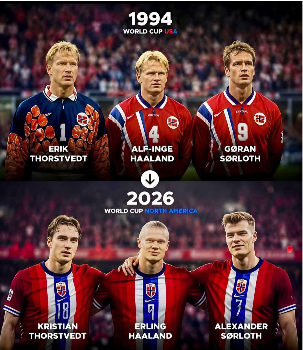
The coincidence is staggering. CNN called it an “extraordinary story.” For the first time, three second-generation players appeared together for a national team at the World Cup. Even more incredibly, all their fathers had participated in the same tournament three decades earlier.
“It feels like a fairy tale is coming true,” said Gøran Sørloth, watching his son lead the attack alongside Haaland. Alexander Sørloth described the World Cup as a family tradition. “He taught me everything I know about football,” he added.
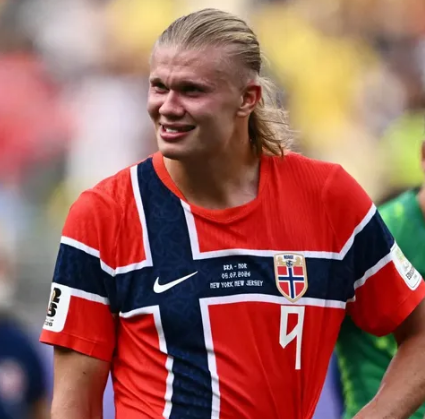
Haaland reflected on seeing his father’s No. 18 shirt at home. “It will be nice to do the same thing,” he said. And he did. This time, Norway reached the quarter-finals for the first time in their history. The sons had finally surpassed their fathers.
The Passing of the Torch: Messi, Yamal, and Football’s Most Poetic Final
But the most extraordinary story unfolded in the World Cup final itself. The narrative seemed so perfect that it appeared scripted.
Let us go back to December 2007. A 20-year-old Lionel Messi, then a rising Barcelona star, participated in a UNICEF charity calendar photoshoot. His assignment? Bathing a five-month-old baby boy from Mataró. That baby was Lamine Yamal.

Now fast forward nineteen years. At 39, Messi entered what was likely his final World Cup. He hoped to defend Argentina’s title. On the opposite side stood Yamal, now 19 years old. He wore Barcelona’s No. 10 shirt—the very number Messi had transformed into one of football’s most iconic symbols. The godfather and his heir. They met on football’s grandest stage.
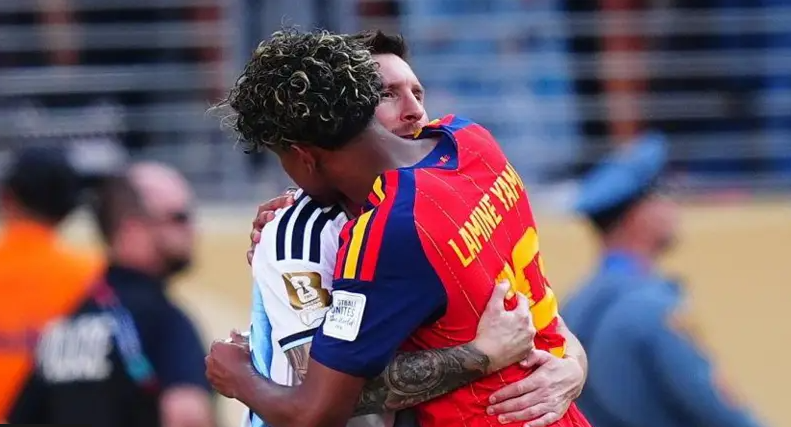
Spain won 1-0 after extra time. Messi fell to the grass, absorbing the end of Argentina’s title defence. Yamal walked across the field. He waited for his idol to rise. Then he embraced him. Barcelona’s current No. 10 embracing their most legendary No. 10. It was a different image from that 2007 photograph. Yet somehow, it completed the same story.
“Lamine Yamal is 19 years old,” said former England goalkeeper Joe Hart. “What a beautiful day for him. He’s 19 and has completed football.” Yamal became the youngest player—at 19 years and six days—to win both the World Cup and European Championship.
What the 2026 World Cup Taught Us
Three stories. Three families. Three generations. The Kluiverts showed us that football’s cruelties can echo across decades. Norway’s Viking sons proved that legacies can be redeemed. And Messi and Yamal demonstrated something even deeper. Sometimes, the most beautiful moments are the ones destiny has been writing all along.
Football fans will remember the goals. They will remember the saves. They will certainly remember the trophies. But they will also remember this. In 2026, the World Cup became a family reunion. And in the end, the beautiful game wrote its own perfect script.