

New research reveals that drinking just one pint of beer daily significantly increases the risk of pancreatic cancer. This finding has important implications worldwide, including in African countries where beer consumption patterns differ.

Canadian Study Links Alcohol to Pancreatic Cancer
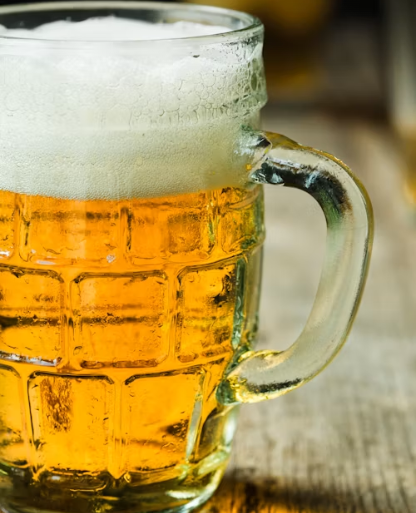
A recent study by researchers at the Canadian Institute for Substance Use Research, University of Victoria, found that consuming 21 units of alcohol weekly—the average intake among Britons—raises the risk of pancreatic cancer by 10 to 30 per cent. This amount corresponds to one pint of standard beer daily.
Currently, alcohol is not officially listed as a pancreatic cancer risk factor. However, this new evidence challenges that view. Dr Tim Naimi, a lead researcher, stresses the study’s importance in linking alcohol to pancreatic cancer.
Alcohol’s Known Cancer Risks Expand
The World Health Organization (WHO) recognises seven cancers linked to alcohol, including mouth, breast, and colon cancer. Pancreatic cancer is not yet among them. This study aims to update that, advocating for pancreatic cancer’s inclusion.
Dr Naimi’s team urges public health bodies to revise guidelines and inform the public about this risk, potentially reducing future cancer cases.
UK Guidelines and Drinking Habits
The UK’s NHS recommends adults limit alcohol to 14 units per week—roughly one medium glass of wine or one pint of beer daily. Despite this, many exceed the limit, raising their cancer risk. The new findings underline the importance of sticking to recommended limits.
African Perspective: Beer Measurement and Consumption Patterns
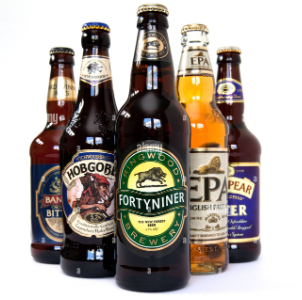
In many African countries, beer is primarily sold in bottles rather than pints. A standard British pint is 568 millilitres, whereas popular African beer bottles often come in 600 millilitres (60 cl), slightly larger than a pint.
For example, in Nigeria and South Africa, the most common beer size is a 600ml bottle, which is approximately 1.06 pints. This means that drinking one bottle of beer daily in these countries slightly exceeds the equivalent of one pint.
Alcohol content varies by brand but generally aligns with standard beer strengths found globally. Therefore, the risk identified in the Canadian study applies similarly in Africa, where consuming one 600 ml bottle daily or more could increase pancreatic cancer risk by 10 to 30 per cent.
Beer Consumption Trends in Africa
Alcohol consumption in Africa has been rising. According to the World Health Organization:
Nigeria averages about 11.3 litres of pure alcohol per capita annually for drinkers, with beer constituting a significant share. South Africa records higher consumption, around 27 litres per capita annually, with beer being the most popular alcoholic beverage. These high consumption rates, combined with larger bottle sizes, suggest that many African adults likely consume alcohol quantities associated with increased pancreatic cancer risk.
Pancreatic Cancer’s Deadly Impact
Pancreatic cancer remains one of the deadliest cancers due to subtle symptoms and late diagnosis. In the UK, it causes around 10,000 deaths yearly, with nine in ten patients dying within a year.
In Africa, while exact pancreatic cancer data is limited, rising alcohol use and other risk factors like smoking and obesity could contribute to increasing cases. Cancer awareness and diagnostic capacity also lag behind Western countries, often resulting in late-stage detection.
Risk Factors and Rising Prevalence
Age is a key risk factor globally, with most pancreatic cancer cases diagnosed in people over 80. Smoking and obesity further increase risk.
In Africa, urbanisation and lifestyle changes have driven increased smoking and obesity rates, compounding cancer risks. The continent is also experiencing an epidemiological transition, with non-communicable diseases like cancer becoming more common.
Calls for Updated Risk Awareness and Action
Health experts hope the latest evidence raises awareness about alcohol’s role in pancreatic cancer, both in Western countries and Africa. Dr Naimi advocates for updating health guidelines worldwide to include pancreatic cancer among alcohol-related cancers.
African governments and health organisations are encouraged to:
Educate the public on alcohol-related cancer risks.
Promote adherence to recommended drinking limits.
Invest in cancer screening and early diagnosis programmes.
Reducing alcohol consumption, quitting smoking, and maintaining healthy body weight remain essential prevention measures.

What This Means for African Consumers
For individuals in Africa, understanding that one 600 ml beer bottle daily carries a similar risk as a pint is critical. Limiting intake to fewer than 14 units weekly, as advised by the NHS, can help reduce cancer risk.
Given increasing alcohol consumption trends, public health policies must focus on education and regulation to combat rising cancer rates.