
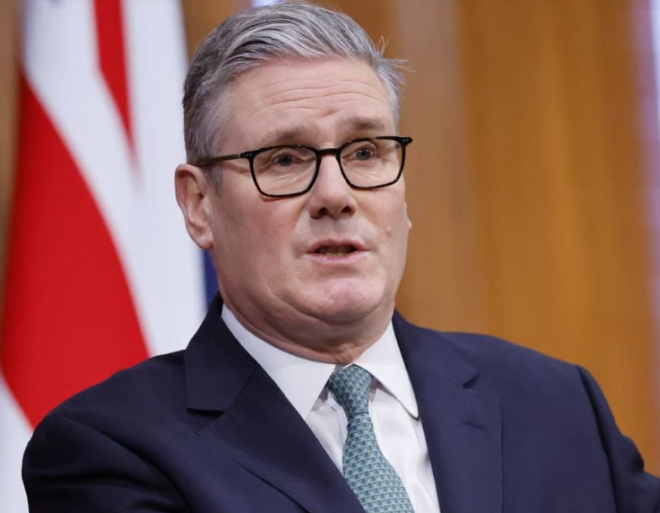
British Prime Minister Keir Starmer announced his resignation as Labour Party leader after less than two years in office. Consequently, the announcement came on Monday, June 22, outside 10 Downing Street.
The Downfall of British P.Ms
Noteworthy is that reality has frequently ambushed recent British prime ministers. Brexit was not anticipated by David Cameron. Theresa May misjudged Corbynism’s appeal. COVID was too much for Boris Johnson to handle. The financial markets removed Liz Truss from her position. Rishi Sunak has realised that his political gifts aren’t exactly as wide as he believed them to be after calling a hasty general election for July 4, which he would undoubtedly lose. Now is the turn of Kier Starmer.
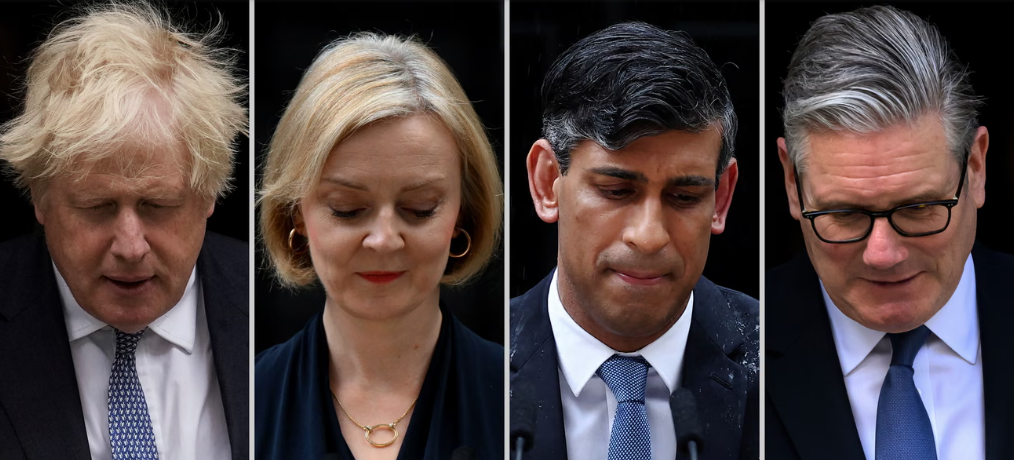
Starmer’s Emotional Farewell
An emotional Starmer said, “Every decision I have taken has been about putting the country I love first. That is why I will resign as leader of the Labour Party.”
He confirmed that the Labour Party would start selecting a new leader in July. Starmer also said, “I will remain in post as prime minister until the contest is complete, and I will do everything I can to ensure an orderly handover of power.”
Pressure Mounts on Starmer’s Leadership
Months of pressure and internal dissatisfaction led to Starmer’s decision. Scandals, high-profile resignations, and criticism weakened his grip on power. Until the weekend, he insisted he would stay and fight off calls to step down. However, he made the sacrifice of stepping down.
King Charles’ Notification
In his statement, Starmer affirmed that he had notified King Charles III of his resignation and instructed the National Executive Committee of the Labour Party to start the process of selecting a new leader. Thus, nominations would open on July 9, and the transition is anticipated to be finished before parliament reconvenes in September. In order to ensure a seamless transition, he continued, he will stay in office for a little while.
He resigned in response to mounting pressure inside the Labour Party, especially following competitor Andy Burnham’s significant victory in a by-election in North West England, which heightened demands for a leadership transition prior to the return of parliament.
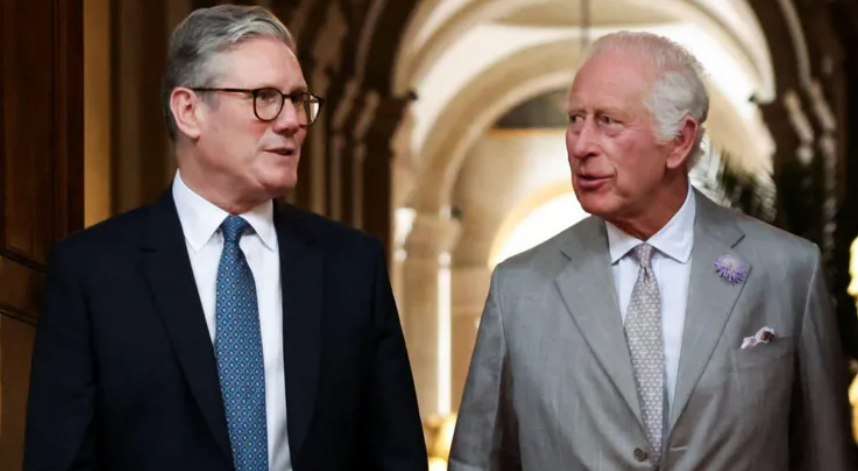
Andy Burnham Emerges as Leading Contender
Attention now turns to veteran politician Andy Burnham. He recently won a crucial by-election, boosting expectations he could run for Labour leadership. Burnham’s return to Parliament strengthens his position within the party.

Political Instability Deepens in Britain
Starmer’s resignation marks Britain’s seventh prime minister in a decade. Consequently, this highlights ongoing political instability since the 2016 Brexit referendum.
Starmer’s Mixed Legacy
Starmer rebuilt Labour and led it to a decisive 2024 election victory, ending 14 years of Conservative rule. However, his government struggled to maintain public support.
His administration faced backlash over welfare reforms, defence spending, and a controversial appointment involving Peter Mandelson. These issues sparked calls for his removal earlier this year.

Rising Threat from Reform UK
Starmer also faced pressure from the growing popularity of Reform UK, an anti-immigration party. Reform UK made significant gains in local elections in May, challenging Labour’s position.
Starmer’s Parting Words
Starmer pledged his full support for his successor. “I will also give my successor my full and unequivocal support, knowing that they will inherit a Britain that is far stronger and fairer than the one I inherited two years ago,” he said.
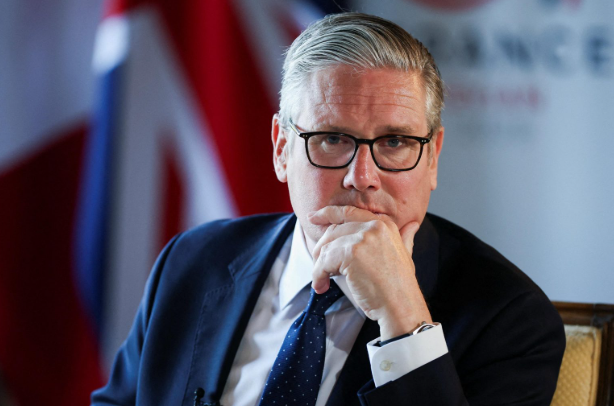
Electoral Success but Declining Popularity
Starmer won Labour’s largest parliamentary majority since 1997 in 2024. However, surveys indicate that he is still unpopular following a number of scandals and policy blunders.
Kemi Badenoch Called Kier a Terrible Failure
The opposition leader, Kemi Badenoch, sharply criticised Keir Starmer, labelling him a terrible failure. Her comments reflect growing frustration within certain political circles regarding Starmer’s leadership of the Labour Party and how he is steering the country. Badenoch’s critique focuses on perceived shortcomings in Starmer’s ability to unite the country and present a compelling alternative to the immigration crisis. This public rebuke highlights the intense political rivalry and differing visions within the opposition landscape.
Internal Party Pressure Leads to Resignation
Mounting pressure from within Labour followed Burnham’s by-election win in North-West England. This decisive victory intensified calls for Starmer to quit and clear the way for new leadership.