
Introduction: Mozambique’s Major Debt Repayment
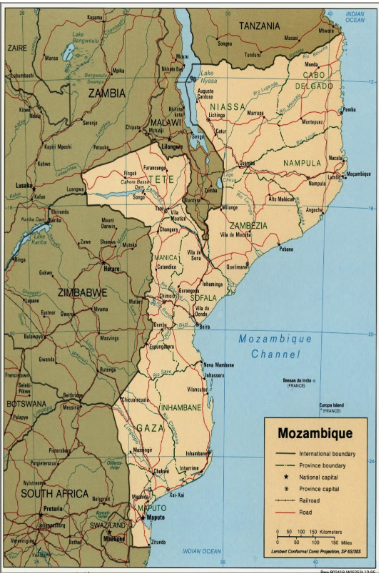
Mozambique has cleared its $701 million debt to the International Monetary Fund (IMF), reported Standard Bank. Consequently, this repayment marks a significant achievement in Mozambique’s economic management. Thus, the country’s efforts to reduce external debt demonstrate fiscal discipline and commitment to stability.
Background: Mozambique’s Debt and Economic Context
Mozambique relied on IMF support to stabilise its economy during challenging times. Hence, the $701 million debt formed part of broader financial assistance packages. Repaying this debt reduces Mozambique’s external liabilities and improves its financial reputation. Such moves are vital for countries recovering from economic shocks.
Details of the Debt Repayment
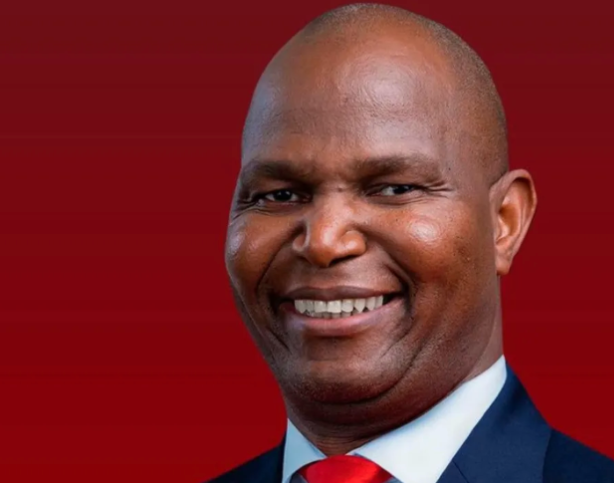
Mozambique’s repayment led to the cancellation of an IMF mission scheduled for August. Although the IMF made no official statement, insiders confirmed the cancellation. Furthermore, reallocating funds for the repayment affected Mozambique’s foreign exchange reserves. Consequently, the reserves are expected to fall from $4.15 billion to $3.5 billion post-payment.
Impact on Mozambique’s Economy
Clearing this debt enhances Mozambique’s credibility with international lenders and investors. It creates room for negotiating more favourable future financial arrangements. However, the reduced foreign exchange reserves may temporarily constrain Mozambique’s import capacity. Invariably, policymakers must balance debt management with maintaining adequate reserves.
Comparison with Other African Countries
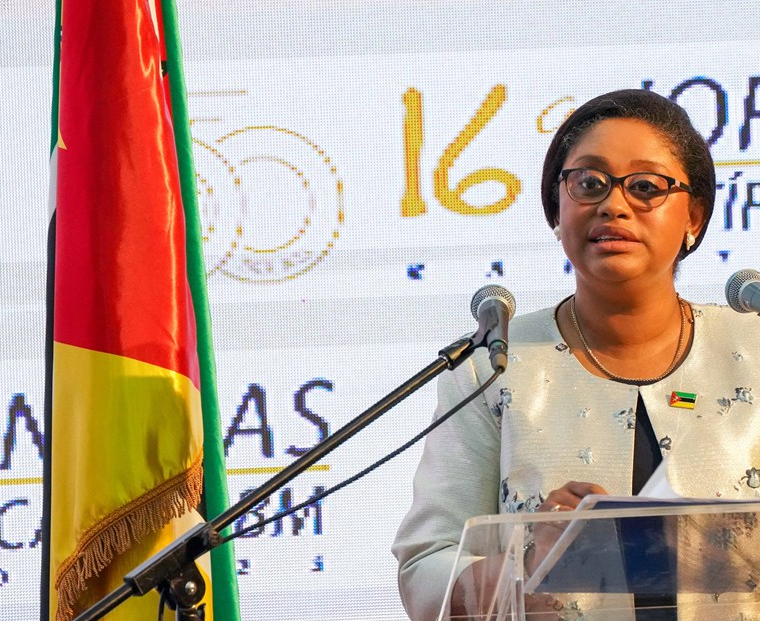
Mozambique joins other African nations like Nigeria and Namibia in repaying or reducing IMF debts. These countries demonstrate growing fiscal responsibility and improved economic governance. Their successes encourage regional economic stability and boost investor confidence in Africa. This trend reflects a broader shift towards financial independence.
Significance of Reducing IMF Debt
Reducing IMF debt lowers debt servicing costs and frees up resources for development. Moreover, it also signals stronger national economic policies and governance frameworks. Countries that clear IMF debts often gain better access to international capital markets. This access supports infrastructure, healthcare, and education investments.
Challenges Mozambique May Face Post-Repayment
Mozambique faces challenges due to lower foreign exchange reserves after repayment. The drop may affect its ability to stabilise its currency and finance imports. Economic growth could slow if global commodity prices fluctuate. Therefore, Mozambique needs prudent fiscal and monetary policies moving forward.
Mozambique’s Future Economic Outlook
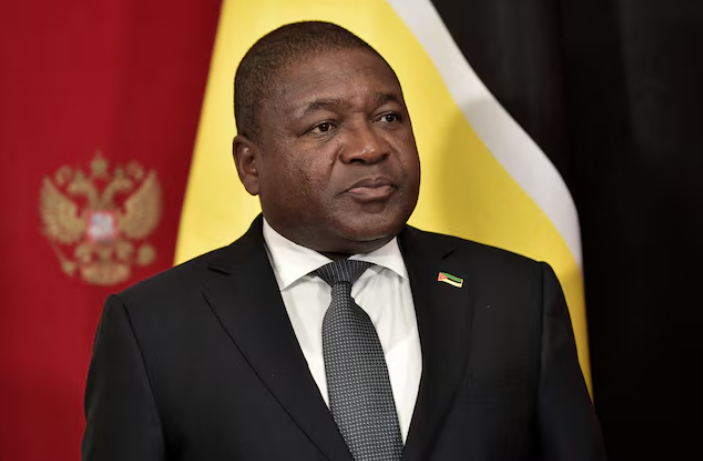
Mozambique aims to sustain economic growth through diversification and investment. Hence, the government plans to boost sectors like agriculture, mining, and tourism. Strengthening institutions and improving transparency remain key priorities. These measures will help maintain investor confidence and economic resilience.
Role of International Partners
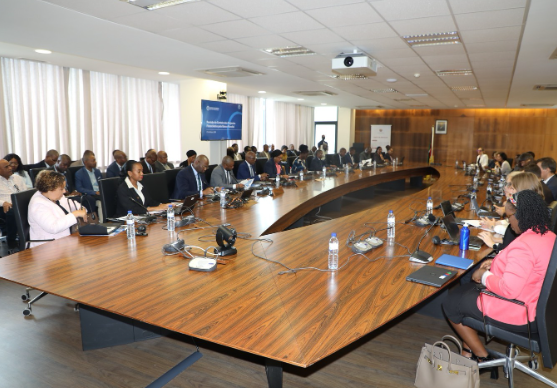
International partners, including the IMF and regional financial institutions, continue to support Mozambique. They provide technical assistance and financial resources to aid reforms. Mozambique’s debt clearance may lead to increased development aid and investment. Importantly, collaboration remains essential for long-term economic stability.
Conclusion: A Step Toward Financial Independence
Mozambique’s repayment of its IMF debt represents a critical milestone. Moreover, it reflects the country’s commitment to fiscal responsibility and economic stability. Despite short-term reserve challenges, the move positions Mozambique for future growth. Other African nations may draw inspiration from this financial achievement.