
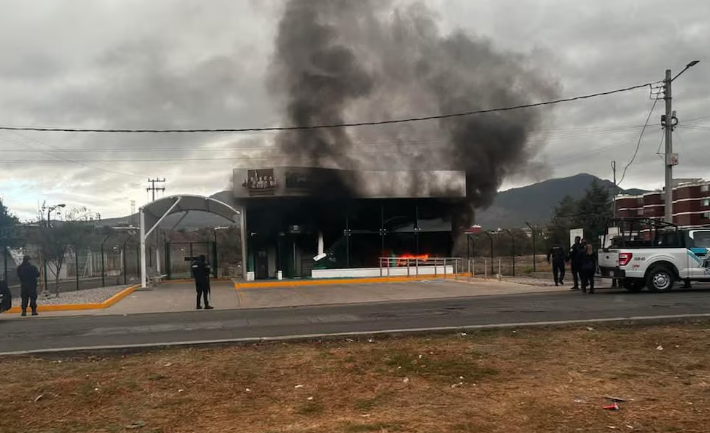
On March 8, 2026, at around 1 a.m. local time, the US Embassy in Oslo faced a violent attack. Consequently, all security agencies within Oslo were deployed to unravel the cause of the incident. After the explosion in the early hours of Sunday, the embassy in the Norwegian capital suffered minor damage, but no one was hurt. However, the chief of the police joint investigation and intelligence section, Frode Larsen, told Norway’s national network NRK, “One of the theories is that it is an act of terrorism, but we are not completely locked into it.”
An inquiry into the event is currently underway, according to Norwegian officials, who say they are in communication with US diplomats.

What Happened During the Oslo US Embassy Bombing?
At approximately 1 a.m., a blast exploded near the US Embassy in Oslo. The explosion came from a vehicle packed with explosives. The blast caused severe damage to the embassy’s façade and windows. Fortunately, embassy staff escaped without injuries. Nearby buildings sustained minor damage from the shockwave.

Who Claimed Responsibility for the Attack?
Hours after the bombing, a radical extremist group claimed responsibility. The group expressed anger over US foreign policies, especially as they concern the Middle East military actions. In addition, they vowed to continue their campaign against Western influence. However, law enforcement agencies immediately began a manhunt for accomplices.
Motives Behind the Oslo US Embassy Bombing
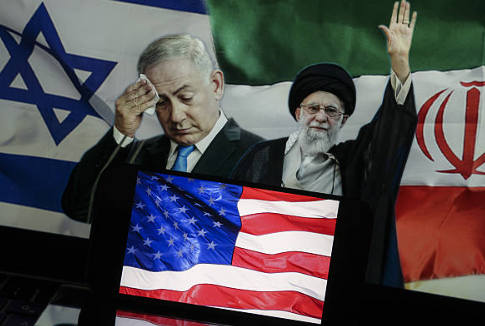
The attackers aimed to protest US military actions abroad, especially in the Middle East. They sought to make a strong political statement with the attack. The bombing symbolised resistance against perceived American interventionism. It also showed the rising threat from extremist factions in Europe. However, analysts are linking the incident to the US, Israel and Iran war.

Immediate Law Enforcement Response
Police and emergency services responded quickly to the blast site. In addition, authorities cordoned off the area for investigation and safety. Furthermore, they have increased patrols around other diplomatic buildings in Oslo. Hence, security forces worked overnight to secure the embassy perimeter.
The explosion occurred at the building’s public door, according to Michael Dellemyr, who is in charge of the police reaction. He claimed that police had searched the area surrounding the embassy in Oslo’s Morgedalsvegen neighbourhood, which is roughly 7 kilometres (4 miles) outside the city centre.
However, Foreign Minister Espen Barth Eide emphasised that “the security of diplomatic missions is very important to us” and called the incident “unacceptable” according to Norwegian authorities.
Impact on US-Norway Diplomatic Relations
The bombing tested the resilience of US-Norway diplomatic ties, as both countries are committed to shared security architecture in combating terrorism. Moreover, the leaders from both countries condemned the attack strongly. Consequently, they reiterated their commitment to fight terrorism collaboratively. The incident strengthened intelligence-sharing agreements between the two nations.
Media Coverage and Public Reaction
News outlets are covering the Oslo bombing extensively worldwide; they attempt to dive deeper into the causative reasons behind the attack. Public reaction included shock, fear, and calls for stronger security. Social media buzzed with both condemnation and support for victims. Many Norwegians expressed solidarity with embassy staff and law enforcement.
Enhanced Security Measures Post-Bombing
Following the attack, authorities upgraded security protocols at embassies. Oslo increased surveillance and physical barriers around diplomatic sites. Furthermore, the US State Department has reviewed security standards globally. Governments are seeking to adopt measures to prevent similar attacks through improved cooperation.
Long-Term Implications for Global Embassy Security
The Oslo bombing highlighted vulnerabilities in embassy protection. Hence, countries worldwide have begun reassessing their security frameworks. Intelligence agencies focused more on detecting extremist threats. The attack underscored the need for continuous vigilance and preparedness.
Lessons Learned from the Oslo Incident
The bombing emphasised the importance of rapid response capabilities. It also showed the value of international intelligence cooperation. Conversely, governments have recognised the need to address ideological extremism proactively. These lessons will guide future counterterrorism strategies worldwide.
Conclusion
The Oslo US Embassy bombing on March 8, 2026, marked a critical security challenge. It revealed ongoing risks to diplomatic missions globally. Countries must maintain strong defences and partnerships to ensure safety. Continued vigilance and collaboration remain essential for global peace.