
Introduction to the Controversy
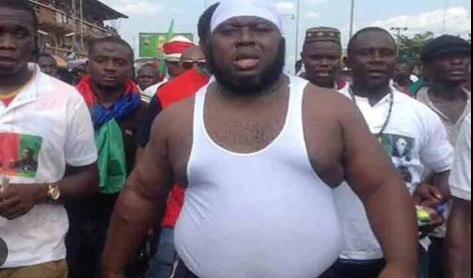
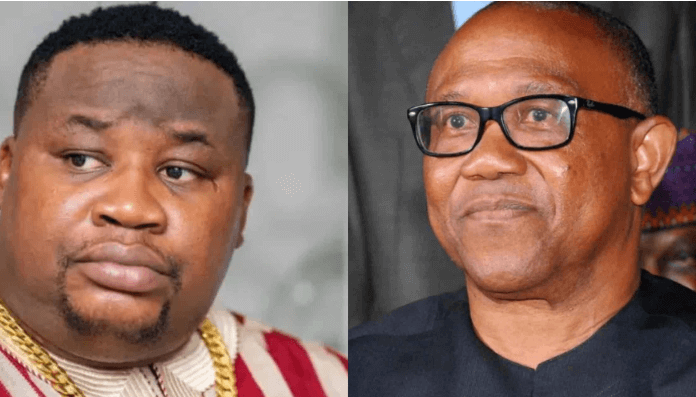
The political landscape heats up as news breaks that a prominent celebrity socialite and businessman, popularly known as Cubana Chief Priest, has said he will work against former Labour Party presidential candidate Peter Obi in the 2027 general election.
This revelation has sparked widespread debate among political observers, supporters, and critics. Understanding the motivations and potential impact of this development requires a closer look at the figures involved and the broader political context.
How It Started
The cat was let out of the bag when asked directly whether he intended to support or oppose Obi in the next election. He replied in the affirmative without mincing words, noting that he had previously campaigned for Obi while also serving as a special adviser to an APC governor.
The controversial businessman, who openly supported Obi during the 2023 polls, disclosed his new political stance on Instagram amid an online exchange with followers. The discussion was sparked by questions over his recent association with the pro-Tinubu “City Boy Movement”.
Who Is the Cuba Chief Priest?
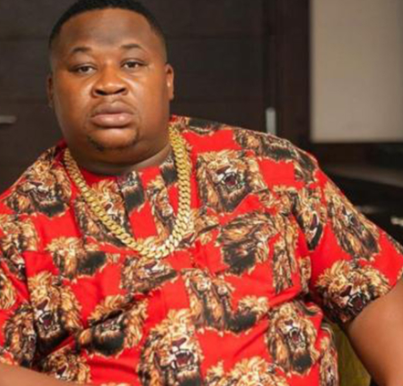
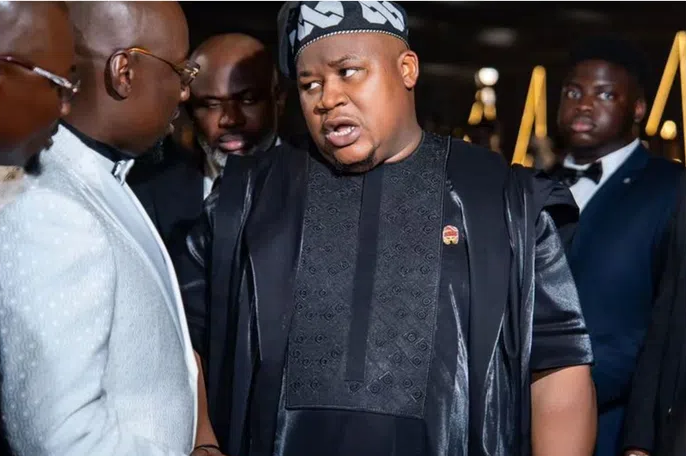
Cubana Chief Priest, whose real name is Pascal Okechukwu, is a Nigerian socialite and public figure known for his vibrant presence on social media. He gained attention for his response to Burna Boy’s comment referring to him as ‘Owerririckyrozay.’ Recently, he was appointed as the Imo State director of the City Boy Movement, highlighting his growing influence beyond digital platforms. His persona blends cultural identity, entertainment, and public engagement, making him a notable figure in Nigeria’s contemporary social scene. His decision to oppose Peter Obi signals a notable shift in political alliances.

Peter Obi’s Political Journey and Popularity
Peter Obi, a former governor and presidential candidate, enjoys considerable popularity, especially among young voters and reformists. His campaign focuses on transparency, economic revival, and social justice. Many Nigerians see him as a symbol of change and hope for a better future. However, his rising influence also attracts opposition from established interests.
Reasons Behind the Opposition
The Cubana chief priest’s opposition to Peter Obi stems from several factors. First, ideological differences play a significant role. The priest reportedly disagrees with Obi’s political vision and methods. Second, local power dynamics and alliances may influence the priest’s stance. Lastly, religious and cultural considerations could shape his decision to oppose Obi, especially as Obi’s rhetoric seems clannish and majorly pro-Ibo. Furthermore, his consistent party cross-carpeting from APGA to PDP to the Labour Party and now ADC utterly shows his inconsistency.
Impact on Peter Obi’s 2027 Campaign
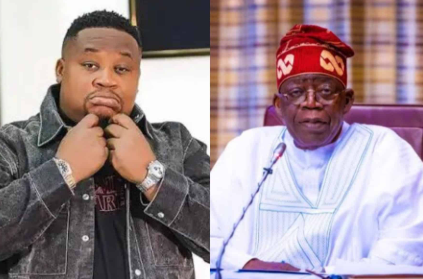
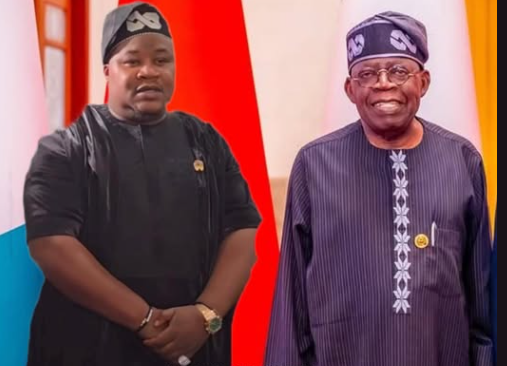
This opposition may affect Peter Obi’s campaign in multiple ways. It could sway voters loyal to the chief priest’s influence, potentially reducing Obi’s support base. Additionally, it may fuel political debates and media coverage, shaping public perception. However, Obi’s strong grassroots support may counterbalance these challenges effectively. Importantly, the Cubana chief priest changed direction to support President Tinubu of APC based on the country’s massive infrastructural development under his watch.
Political Reactions and Public Opinion
Political parties and commentators have reacted swiftly to the news. Supporters of Peter Obi condemn the opposition as an attempt to undermine democratic choice. Meanwhile, some analysts view it as a natural part of political contestation. Public opinion divides, with some voters questioning the role of such questionable figures in politics.
Role of Influencers in Nigerian Politics
Influencers in Nigeria have historically played crucial roles in elections. Their endorsements or criticisms can influence voter behavior significantly. This situation highlights the continuing intersection of new-generation influencers and politics in Nigeria. It also raises questions about the balance between influencers’ guidance and political partisanship.
Potential Consequences for Nigeria’s Democracy
The involvement of influential business figures in political disputes may affect Nigeria’s democratic processes. While their engagement can mobilize voters, it risks deepening divisions and polarizing communities. Ensuring peaceful and fair elections requires managing these dynamics carefully. Promoting dialogue and tolerance remains essential.
What to Watch Ahead of 2027
As the 2027 election approaches, observers will watch this story closely. The Cuba chief priest’s actions may set precedents for other influencers. Peter Obi’s campaign strategy will likely adapt to address this opposition. Voter sentiment and political alliances will continue evolving, shaping Nigeria’s electoral landscape.
Conclusion: Navigating Complex Political Waters
The decision of the Cubana chief priest to oppose Peter Obi adds complexity to Nigeria’s 2027 election. This development underscores the powerful role of this new generation of influencers and their culture in politics. Both supporters and opponents must navigate these waters with respect and caution. Ultimately, the Nigerian people will decide their future at the polls.