


The Indigenous People of Biafra (IPOB) has issued a sit-at-home order for February 2. The directive covers Anambra State and the entire Southeast region. However, this development directly challenges Governor Charles Soludo’s administration.
Background of the Conflict
IPOB is a separatist group advocating for Biafran independence. The group has frequently clashed with state authorities over governance and regional autonomy. Recently, tensions escalated due to perceived disagreements with Governor Soludo.
Details of the Sit-at-Home Order
IPOB’s sit-at-home directive demands residents stay indoors all day on February 2. Furthermore, the group warned against any form of public activity, including work, schooling, and markets. They insisted on strict compliance to ensure the order’s success.

IPOB’s Grievances Against Soludo
The group accused Governor Soludo of failing to address critical regional issues. They cited inadequate security, economic neglect, and political marginalisation. For these reasons, IPOB claims Soludo’s leadership does not represent the Southeast people’s interests.
Impact on Anambra and the Southeast Region
The sit-at-home order affects millions across the Southeast, as businesses, schools, and public offices will likely shut down. In fact, transportation services may also halt, causing disruptions in daily life and commerce.
Government’s Response to the Order
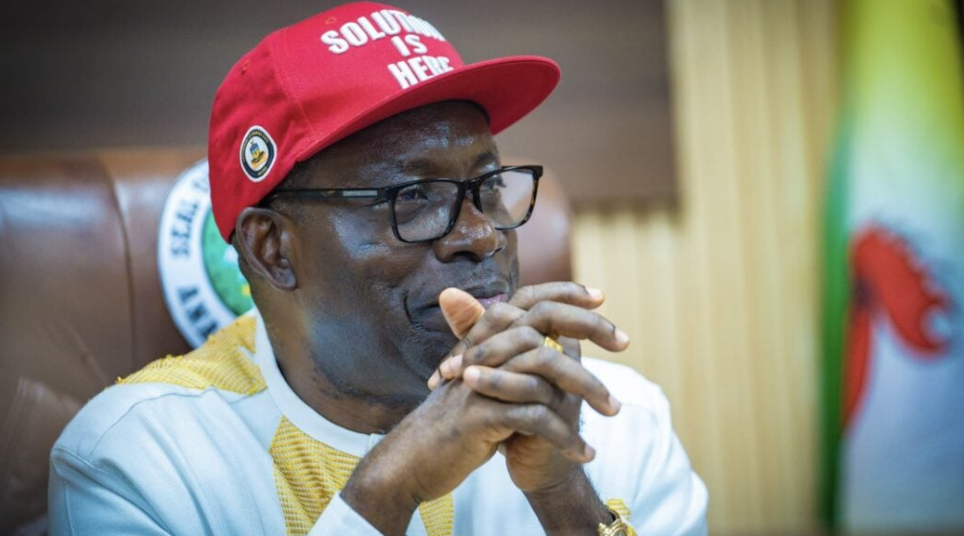
Governor Soludo condemned the IPOB directive. as he urged citizens to resist the order and continue their daily activities. Importantly, the governor assured enhanced security measures to protect lives and properties during this period.
Security Measures and Public Safety
Authorities have increased patrols and checkpoints in major cities. In addition, law enforcement agencies pledged to maintain peace and order. Residents were advised to report any suspicious activities promptly.
Economic Consequences of the Sit-at-Home
The enforced closure threatens local businesses and the regional economy. Markets and trade centres face significant losses. Prolonged disruptions may reduce investor confidence in Anambra and the Southeast.
Economic Impact
According to a report by SBM Intelligence, the region has suffered an estimated cumulative loss of over ₦7.6 trillion between 2021 and 2025. (nairametrics.com) This figure encompasses various sectors, including micro, small, and medium-sized enterprises (MSMEs), transportation, and education.
Community Reactions and Opinions
Opinions vary among residents across the region. Some support IPOB’s stance, seeing it as a tool for peaceful protest. Others criticise the order, fearing economic hardship and instability. Community leaders call for dialogue and peaceful resolutions.
IPOB Classified a Terrorist Group
The Indigenous People of Biafra (IPOB) became classified as a terrorist group due to a series of violent actions and security threats linked to the organisation. Initially, IPOB focused on advocating for the independence of the Biafra region through peaceful protests. However, over time, some of its members engaged in armed clashes with Nigerian security forces, attacks on public infrastructure, and intimidation of civilians.
The Governor Ban
These violent incidents disrupted peace and security in the Southeast and other parts of Nigeria despite pleas from well-meaning citizens. The Nigerian government cited these violent activities, along with alleged involvement in sabotage and incitement of unrest, as reasons for labelling IPOB a terrorist organisation. This classification aims to curb the group’s militant activities and restore stability in the affected regions.
IPOB Group Leader Sentenced to Life Imprisonment
The leader of the Indigenous People of Biafra (IPOB), Mazi Nnamdi Kanu, has been sentenced to life imprisonment. This ruling follows the leader’s involvement in activities deemed illegal by the Nigerian courts. The court found the leader guilty of charges related to terrorism and security breaches.
The life sentence marks a significant development in the government’s ongoing efforts to curb militant activities in the Southeast region. Authorities assert that this judgement will serve as a deterrent to others engaged in similar acts.
The sentencing also highlights the serious stance the Nigerian judiciary takes against groups that threaten national security. The government continues to emphasise dialogue but remains firm against violent extremism.
This verdict may impact IPOB’s operations and influence within the region. It remains crucial for all parties to seek peaceful resolutions to ongoing conflicts.

Calls for Dialogue and Resolution
Many stakeholders urge both sides to engage in constructive talks. They emphasise the need for addressing root causes of the conflict. Dialogue remains the best path to lasting peace and development.
Conclusion: The Road Ahead for Anambra and Southeast
The sit-at-home order on February 2 highlights ongoing tensions between IPOB and Governor Soludo. The situation demands urgent attention to prevent escalation. Stakeholders must prioritise peace, security, and economic stability in the Southeast region.