

The Unprecedented Demand for the Paul-Tyson Fight
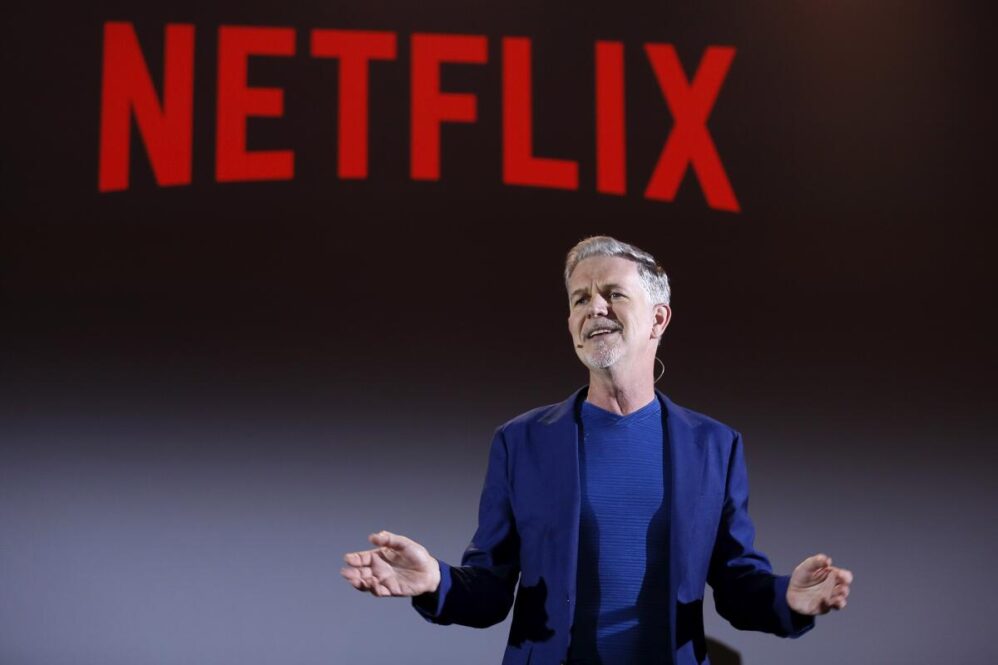
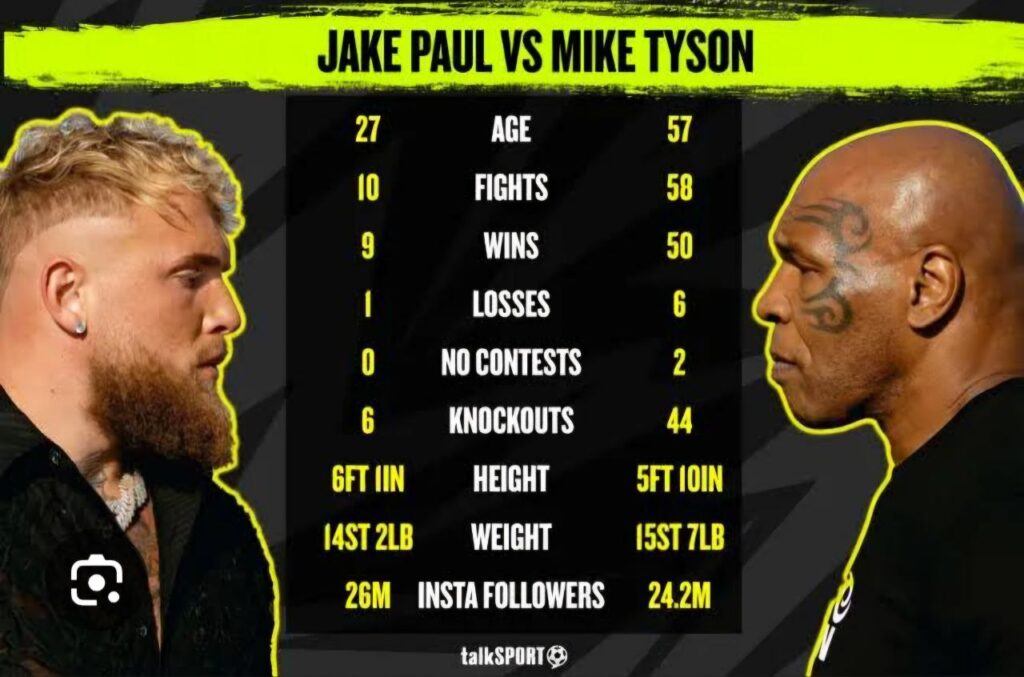
On November 15, Netflix ventured into the high-stakes world of live streaming with the much-anticipated Jake Paul vs. Mike Tyson fight. The event attracted an astonishing 108 million viewers, underscoring the platform’s potential to draw massive audiences. However, with this unprecedented demand came significant technical challenges. Netflix Co-CEO Ted Sarandos candidly admitted that the event was “stressing the limits of the internet itself.” This statement highlights the immense pressure that such a large-scale live stream placed on the platform’s infrastructure.
Technical Hurdles: Buffering and Freezing
Despite the success in viewer numbers, the live stream was plagued with technical issues, most notably buffering and freezing. These problems not only frustrated viewers but also exposed the challenges associated with delivering a seamless live streaming experience at such scale. Transitioning from pre-recorded content to live events requires a different set of technical capabilities, which Netflix is still in the process of mastering.
Learning from the Experience
Sarandos acknowledged that Netflix underestimated the demand for the Paul-Tyson match. This miscalculation serves as a valuable learning experience for the company as it seeks to expand its live streaming portfolio. By analyzing the technical difficulties faced during this event, Netflix can develop strategies to enhance their infrastructure, ensuring a smoother experience for future live broadcasts.
Future Prospects: Expanding into Live Sports
Netflix’s ambitions extend beyond celebrity boxing matches. The company has expressed interest in hosting more large-scale live events, including NFL games and WWE shows. This strategic move could position Netflix as a major player in the live sports streaming arena, potentially challenging established broadcasters and streaming services. However, success in this domain will require overcoming the technical obstacles highlighted by the Paul-Tyson fight.
Addressing the Technical Challenges
To address the issues of buffering and freezing, Netflix must invest in robust technological solutions. This includes enhancing their server capacity, optimizing data delivery networks, and employing advanced algorithms to manage traffic spikes. Additionally, collaborating with internet service providers could help in ensuring a smoother data flow during high-demand events.

The Role of Viewer Engagement
Despite the technical hiccups, the Paul-Tyson fight demonstrated the power of viewer engagement. The sheer number of viewers indicates a strong interest in live events, suggesting a lucrative opportunity for Netflix. By focusing on interactive features and real-time engagement tools, Netflix can enhance the viewer experience, making live events more appealing to their audience.
Balancing Risks and Rewards
Venturing into live streaming is not without risks. The potential for technical failures looms large, as demonstrated by the Paul-Tyson event. However, the rewards of successfully capturing a share of the live sports market are significant. By carefully balancing these risks and rewards, Netflix can carve out a new niche in the streaming industry.
The Road Ahead: Strategic Partnerships and Innovation
As Netflix looks to the future, strategic partnerships and innovation will be key to overcoming live streaming challenges. Collaborating with technology companies, sports leagues, and content creators can provide Netflix with the expertise and resources needed to refine their live streaming capabilities. Furthermore, investing in cutting-edge technologies, such as artificial intelligence and machine learning, can help predict and mitigate potential technical issues.
Conclusion: Embracing the Live Streaming Era
Netflix’s foray into live streaming with the Paul-Tyson fight highlights both the challenges and opportunities that come with this new venture. While technical issues need to be addressed, the potential for growth in the live events space is undeniable. By leveraging their existing platform and innovating their technical infrastructure, Netflix can position itself at the forefront of the live streaming revolution. As they continue to explore this realm, the company must remain adaptable, learning from past experiences to deliver seamless and engaging live content to their global audience.