

Introduction: A New Chapter in the Syrian Conflict
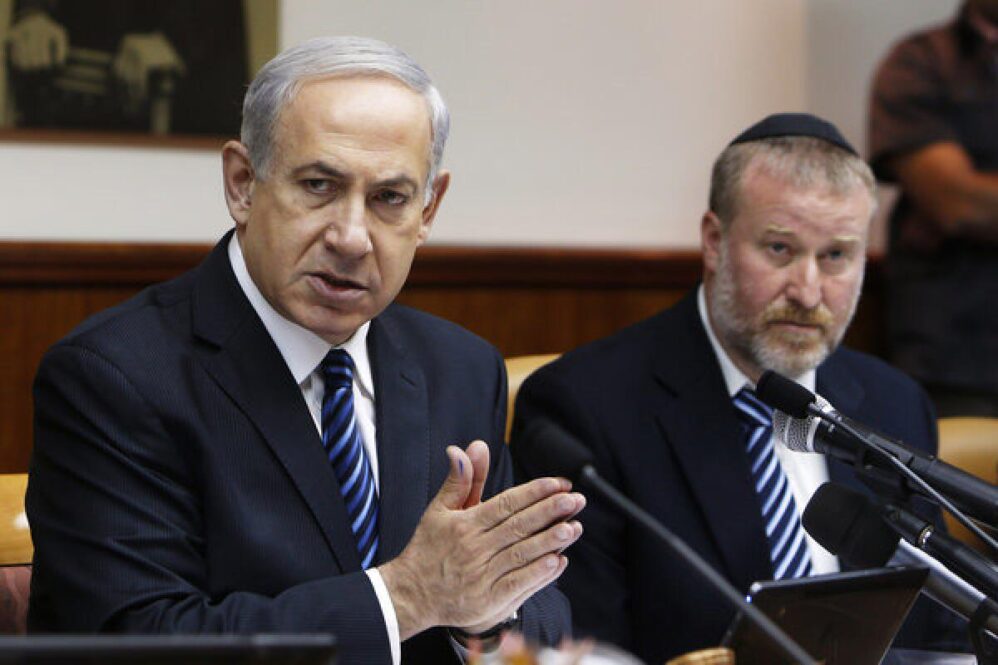
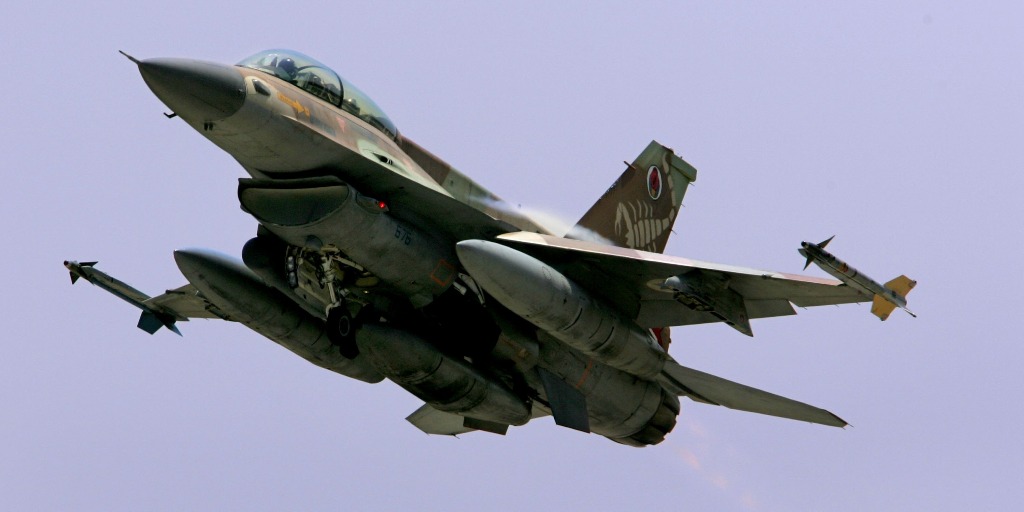
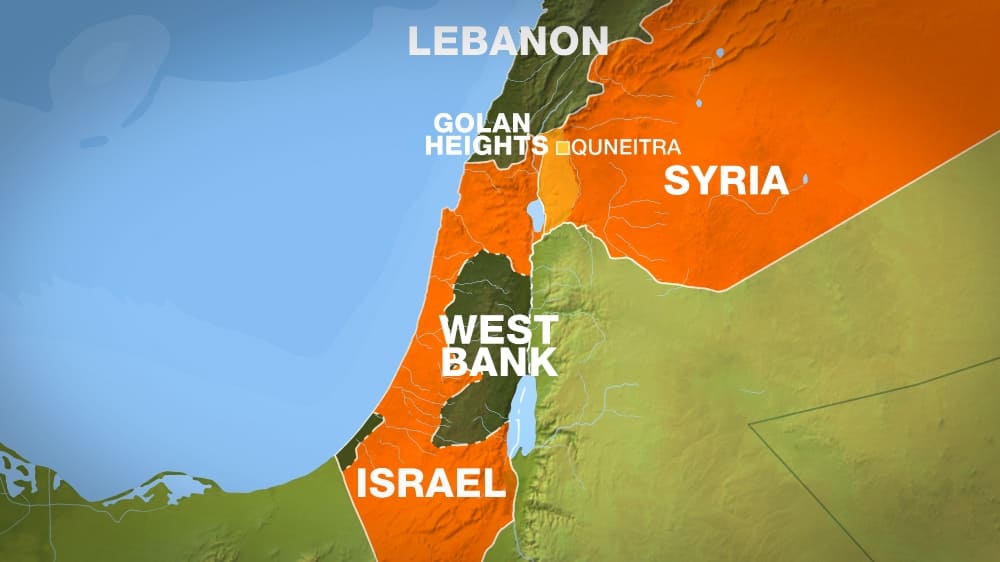
Israel’s recent airstrikes in Syria have created significant ripples throughout the region, marking a substantial escalation in the ongoing conflict. With over 480 strikes aimed at military installations, Defense Minister Israel Katz has hailed the operation as a “great success.” But what prompted Israel to take such drastic measures, and what are the implications amidst the weakening of Bashar al-Assad’s regime?
The Collapse of Assad’s Regime: Navigating a Power Vacuum
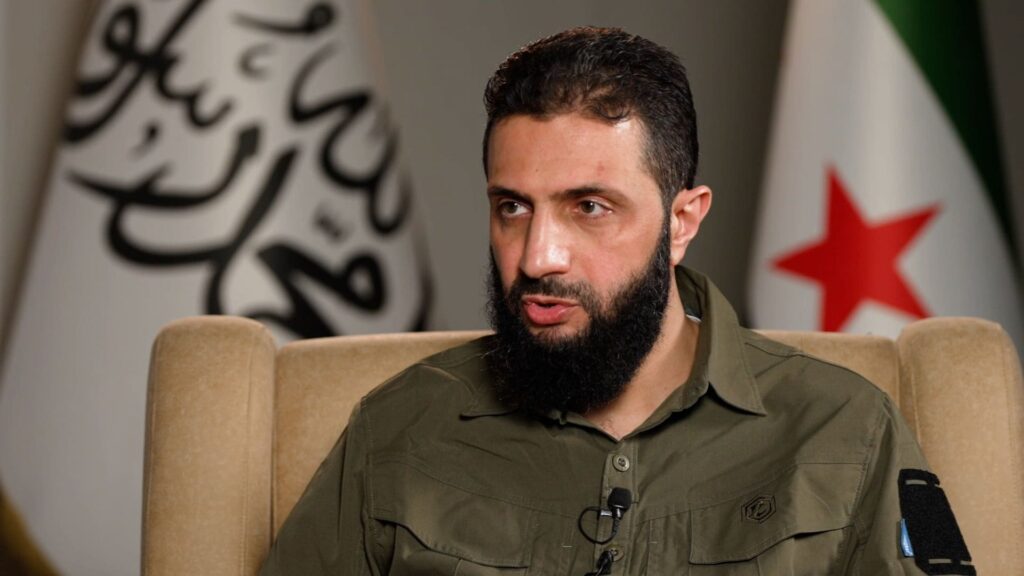
The Syrian opposition, spearheaded by Hayat Tahrir al-Sham (HTS) and allied factions supported by Turkey, has been making notable advances recently. On November 27, 2024, they launched an offensive against pro-government forces in northwestern Syria, capturing significant cities such as Hama and Aleppo. As a result, the collapse of Assad’s regime has led to a power vacuum, which has compelled Israel to act. In this context, Israel perceives the Iranian presence in Syria, alongside Hezbollah’s military capabilities, as a considerable threat to its national security.
Israel’s Motivations: Safeguarding National Interests
Disrupting Alliances
Israel’s primary motivation for launching the airstrikes is to disrupt the alliances between Assad’s regime, Iran, and Hezbollah. By targeting military installations, Israel aims to prevent the establishment of an extremist government in Syria.
Protecting National Security
Furthermore, Israel seeks to protect its national security interests and curb the spread of Iranian influence in the region. The operation also underscores Israel’s commitment to defending its borders and maintaining regional stability. Moreover, Israel’s actions are driven by a desire to prevent the destabilization of the region.
Regional Implications: A Complex Web of Alliances
Potential for Extremist Governance
The consequences of Israel’s actions stretch beyond Syria’s borders. The power vacuum created by Assad’s regime collapse could pave the way for extremist governance, raising concerns for regional stability.
Involvement of Regional Players
Moreover, the escalation could draw in other regional players, including Russia and Turkey, further complicating the situation. Ultimately, the dynamics of the region will be shaped by the interactions between these key stakeholders.
The Role of Turkey: A Crucial Factor
Turkish Support for the Syrian Opposition
Turkey’s support for the Syrian opposition has been a critical factor in recent developments. Turkish-backed factions have played a significant role in the capture of Hama and Aleppo, and Ankara’s involvement could continue to shape the region’s dynamics.
Impact on Regional Alliances
Meanwhile, Turkey’s relations with Israel and Russia will be closely watched, as these alliances will significantly impact the region’s stability. Furthermore, Turkey’s actions will influence the future of Syria and the broader region.
The Future of Assad’s Regime: Uncertainty and Instability
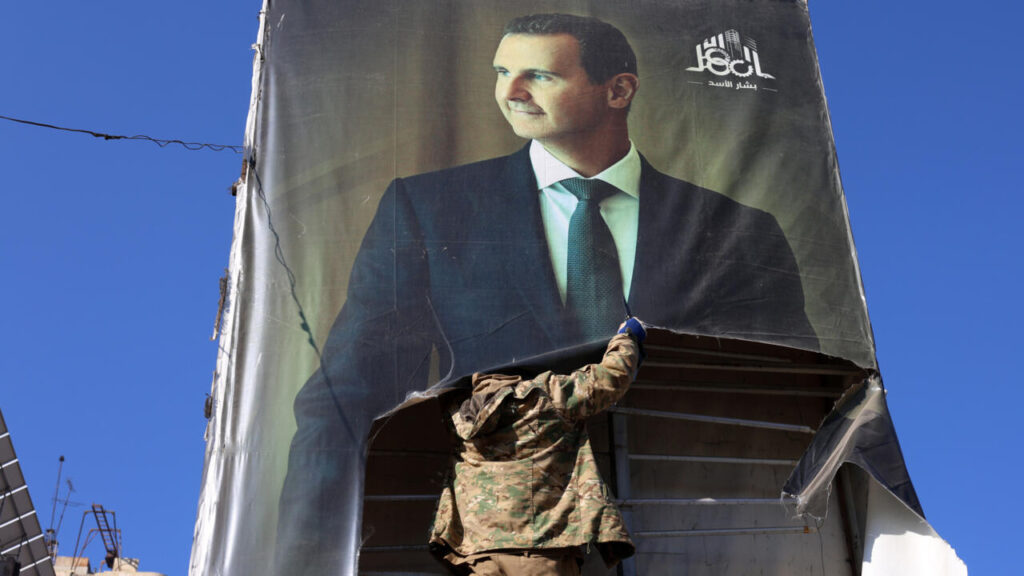
As Assad’s regime teeters on the brink of collapse, the question remains: what lies ahead? Will Israel’s airstrikes and the opposition’s gains lead to a significant shift in the region’s power dynamics, or will the status quo persist? Only time will reveal the answers. Nevertheless, the international community will be watching closely, eager to see how this crisis evolves and what the future holds for Syria and the wider region.
Conclusion: High Stakes and Far-Reaching Implications
Israel’s escalation in Syria marks a pivotal moment in the region’s conflict. As the situation continues to unfold, one thing is certain: the stakes are high, and the implications will be extensive. The international community will be observing closely, eager to see how this crisis evolves and what the future holds for Syria and the broader region. Ultimately, the outcome will depend on the interactions between regional stakeholders and the ability of key players to navigate the complex web of alliances and interests.
Future Prospects: Navigating Challenges and Opportunities
The future of Syria and the region will be shaped by the decisions made in the coming weeks and months. The international community must work together to address the humanitarian crisis, promote regional stability, and prevent the spread of extremism. By doing so, the region can emerge from this crisis stronger and more resilient than ever before.