

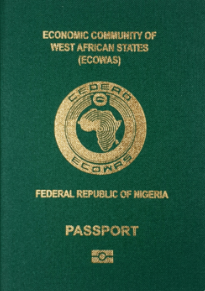
LAGOS — Nigerian passports climbed from 95th to 89th on the Henley Passport Index since January 2024. This improvement seems like progress under President Bola Tinubu. However, Nigerian travellers lost visa-free access to two countries in the same period. African nations have quietly tightened their borders against Nigerian citizens. This internal closure undermines the passport’s global ranking.
Africa’s Top 10 Passports: Nigeria Left Behind
The African passport hierarchy remains uneven in 2026. Seychelles leads with 154 visa-free destinations, followed by Mauritius with 147. Nigeria ranks far behind, granting access to only 44 countries without a prior visa. Ghana, a comparable African power, offers 67 visa-free destinations. Smaller nations like The Gambia outrank Nigeria by 24 destinations. Senegal and Burkina Faso also surpass Nigeria’s mobility.
Closed African Doors: Ethiopia, Zambia, Zimbabwe Among Those Bolting Gates
African countries such as Ethiopia, Zambia, and Zimbabwe have imposed visa requirements on Nigerians recently. Ethiopia ended its visa-on-arrival policy in 2022 despite airline investments. Zambia requires visas from all West African passports. Zimbabwe, Lesotho, Mauritania, São Tomé and Príncipe, and Somalia also demand prior visas. These decisions lack formal disputes or security reasons. Africa’s unity faces a growing breach.
Nine New Doors Opened, Seven Old Doors Closed: The Net Loss
Between January 2025 and April 2026, Nigeria gained nine visa-free countries, mostly small Pacific islands. However, seven African nations revoked their visa-free access. This results in a net loss of two visa-free destinations for Nigerians. Every lost country lies within Africa. The pattern highlights a shrinking African travel space despite nominal global ranking gains.
The Bigger Disgrace: Schengen’s 45% Rejection Rate
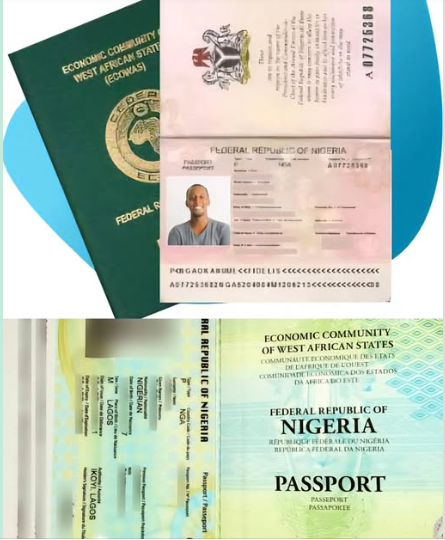
European Schengen visa rejections for Nigerians soar above 45%. In 2025–2026, Nigeria’s rejection rate reached 45.2%, the highest among African nations. Ghana and Senegal followed at over 40% rejection. Nigeria submitted over 111,000 visa applications in 2024, paying €90 each. The estimated financial loss exceeds $82 million annually. Access to Europe remains extremely restricted for Nigerians.
The Common African Passport: A Dream Still Waiting
The African Union adopted the Free Movement Protocol in 2018 to enhance continental travel. The protocol supports AfCFTA trade by enabling free movement across borders. Yet, only four African countries ratified it, far below the 15 needed for enactment. No West African nations ratified the agreement. AfCFTA leaders have expressed frustration at the political delay. The common African passport remains a distant aspiration.
Nigeria’s Own Closed Doors
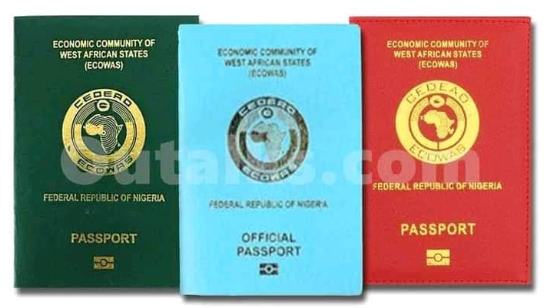
Nigeria ranks low in visa openness for African nationals, allowing fewer than 30% visa-free access. This policy contradicts Pan-African unity goals. The International Trade Union Confederation Africa urged Nigeria to abolish visa fees to boost regional integration. Nigeria has yet to respond or alter its restrictive stance. Furthermore, without reciprocal openness, Nigeria weakens its moral authority to criticise other countries’ closures.
The Numbers That Matter
Since 2006, Nigeria’s passport rank dropped from 62nd to 89th, losing 27 places globally. The average passport’s visa-free access rose from 58 to 108 destinations worldwide during that time. Nigeria’s relative climb reflects other countries’ more significant declines, not actual improvements. The passport’s real-world power continues to erode despite apparent ranking gains.
A Call for True Border Freedom
Conclusively, Nigerian passport holders access only 44 visa-free countries, mostly smaller or developing nations. African borders tighten while Schengen visa rejections increase. The African Union’s common passport protocol remains stalled by political inaction. Pan-African unity requires African countries to open their borders first. Until Nigeria and its neighbors embrace free movement sincerely, the continent’s spoken unity will remain hollow