

How Florence Scovel Shinn’s Century-Old “Game of Life” Anticipated Modern Neuroscience
Explore why Florence Scovel Shinn’s 1925 classic “The Game of Life and How to Play It” remains powerfully relevant today. This historian and spiritual writer examines how her forgotten wisdom foreshadowed modern neuroscience—and why David Bayer calls it the most dangerous book about reality ever written.
The Dangerous Book That Refuses to Die
Florence Scovel Shinn published “The Game of Life and How to Play It” in 1925. She died in 1940, largely forgotten. Yet her little book never went out of print. It circulated quietly through generations of seekers, artists, and entrepreneurs who discovered something unsettling within its pages.
David Bayer, a modern voice in consciousness research, calls it “the most dangerous book ever written about reality.” His reasoning cuts deep: the book makes you responsible. It removes every excuse. Once you understand its principles, you cannot return to blaming circumstances, other people, or bad luck for the shape of your life.
This isn’t comfortable territory. It’s transformative territory.

Who Was Florence Scovel Shinn?
Shinn was born in 1871 in Camden, New Jersey. She trained as an artist and illustrator at the Pennsylvania Academy of the Fine Arts. She illustrated children’s books and enjoyed moderate success in New York’s artistic circles.
Then life intervened. Her marriage ended. Her illustration career faded. At nearly fifty, Shinn reinvented herself as a metaphysical teacher and writer. She lectured in New York City, teaching what she called “the game of life”—a practical spirituality rooted in cause and effect.
Her first book, “The Game of Life and How to Play It,” published in 1925, compiled these lectures. It sold modestly during her lifetime. After her death, it found new audiences. By the 1980s, it had become a staple of New Thought and personal development literature. Today, “The Game of Life and How to Play It” influences everyone from business coaches to cognitive behavioural therapists—often without attribution.
The Core Premise: Life Is a Game With Rules
Most people approach life as a struggle. They hustle, worry, pray, and fight—then call it unfair when results don’t materialise. Shinn proposed something radical in “The Game of Life and How to Play It”: life operates according to law. What you send out returns to you. Your thoughts, words, and expectations function as active moves in an ongoing game. Most people lose not because the universe conspires against them, but because they violate spiritual law without knowing it.
Why We Miss the Game: The Uniform Illusion
But why don’t we know it’s a game? The answer hides in plain sight—in the uniforms we wear every day. Sports players wear jerseys identifying their team, position, and commitment. Students wear uniforms or carry backpacks marking them as learners inside an educational system with its own rules, grades, and progression. Judges and lawyers robe themselves in black—symbols of authority, impartiality, and submission to legal codes older than any individual. Doctors wear white coats and stethoscopes, signalling entry into a healing profession governed by protocols, ethics, and evidence. Each uniform says the same thing: you are now playing a game with rules, and everyone can see which game you’ve chosen.
Yet here’s the uncomfortable truth—life itself requires no uniform. You wake up, put on ordinary clothes, and step into a world where nobody hands you a rulebook. No referee blows a whistle. No scoreboard tracks your progress. No coach explains the objective. This is precisely why most people never realise they’re playing a game at all. They mistake the absence of costume for the absence of rules. They assume that because life doesn’t announce itself like basketball or courtroom drama, there must be no laws governing it. So they improvise. They react. They drift. They lose—not because the game is rigged, but because they never learned they were playing one.

The Clock Is Always Running
Every real game also has a time limit. Sports have quarters, halves, innings, and overtime. Courtrooms have statutes of limitations and filing deadlines. Schools have semesters, graduation dates, and academic calendars. Medical training has residency years and certification renewals. Time expires in every structured game—and life is no exception. You have a finite number of years, months, and days. The clock is running whether you acknowledge it or not. Shinn understood this urgency. She taught that every thought, word, and expectation is a move made within time—and the game ends before you’ve made all the moves you might have wished.
The uniforms we see everywhere are invitations to recognise what we’ve been missing. They remind us that games require intentional participation, that rules exist whether players know them or not, and that time never pauses for those who refuse to learn the playbook. Life doesn’t dress you in a jersey. It doesn’t hand you a whistle. But the game is real, the rules are fixed, and the clock is ticking. The only question is whether you’ll start playing consciously—before time runs out.
Identity Creates Reality
Bayer translates this into contemporary language: your identity creates your reality. You don’t get what you want. You get who you are being.
This distinction matters. Wanting wealth while believing yourself unworthy produces poverty. Wanting love while radiating fear produces loneliness. The game doesn’t reward desire—it rewards alignment.
The Law of Prosperity: Abundance Is Allowed, Not Earned
Shinn challenged the Protestant work ethic head-on in “The Game of Life and How to Play It”. Prosperity, she taught, isn’t about working harder. It’s about removing resistance to receiving.
Her logic was elegant: infinite supply exists. Your subconscious belief in lack blocks the flow. You cannot attract what you believe you don’t deserve.
Bayer frames this as an equation: desire plus non-resistance equals desired result. You may desire wealth, health, or love—but fear, guilt, and unworthiness cancel the desire. The resistance neutralises the intention.
A practical exercise Shinn recommended: for seven days, stop saying “I can’t afford it.” Replace the phrase with “My supply is unlimited. I am open to receiving.” Notice what shifts in your body before your bank account. Physical sensations often signal subconscious resistance releasing.
The Power of the Word: Speech as Creation
This principle may be the fastest to verify in daily life. Your words don’t merely describe reality—they participate in creating it. Speech forms the doorway between inner conviction and outer manifestation.
Catch your language, and you catch your limiting beliefs before they harden into next month’s circumstances.
Consider common phrases:
- “I’m always tired” instructs your body to remain fatigued
- “Nothing ever works for me” programmes your subconscious to find confirming evidence
- “I’m broke” casts a spell you repeat daily
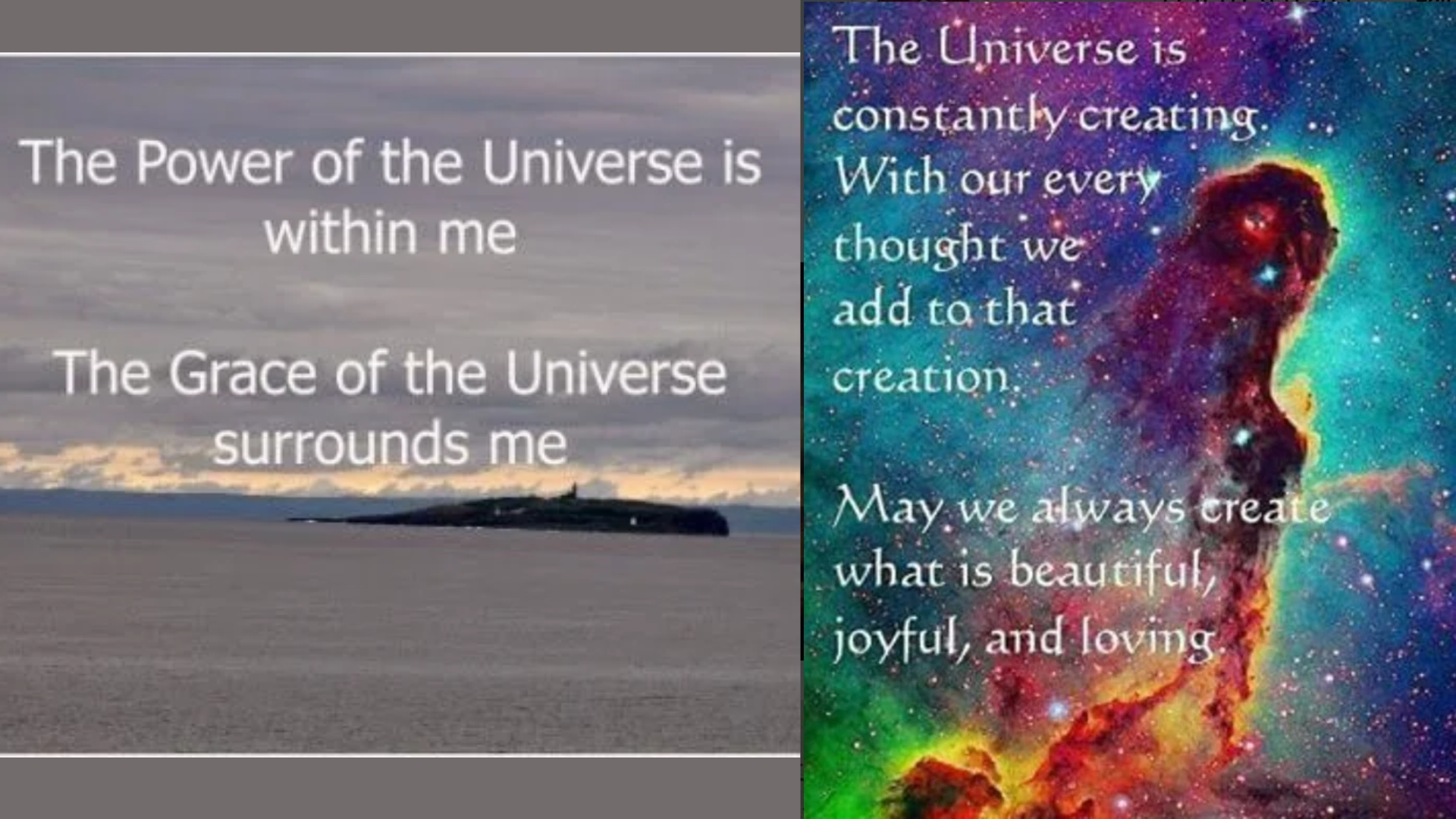
Shinn called these “affirmations and denials.” She taught that most people affirm lack and deny abundance without realising it. Bayer calls it the self-talk loop—the automatic narration that shapes identity.
A twenty-four-hour word audit provides clarity. Every time you speak negativity about yourself, money, or life, stop. Cancel the statement aloud. Speak the opposite. This practice feels awkward initially. That awkwardness signals awareness waking up.
The Law of Nonresistance: Stop Fighting What You Want to Change
Nonresistance sounds passive. Shinn taught it as the most powerful creative stance available.
The mechanism: emotional resistance binds consciousness to the very thing you’re trying to escape. Hate your job, and you remain bonded to it. Fight your anxiety, and you strengthen its grip. Resist your debt, and you think about debt all day.
Shinn summarised it simply: “What you resist persists.”
Her prescription was radical: bless what you want to change. Say aloud, “I bless this situation and release it.” This isn’t surrender. It’s unhooking your energy so new results can enter. The situation may or may not change immediately—but your relationship to it transforms. From that freed energy, creative solutions emerge.
Forgiveness and the Burden: Breaking Karmic Loops
Shinn understood karma as cause and effect—simple mechanics. Forgiveness breaks the loop.
Resentment, guilt, and old trauma function as carried weight. You cannot move forward while dragging this load. Shinn’s method was to “cast the burden” onto the subconscious mind or Infinite Intelligence. Release it deliberately.
Bayer reframes this as identity transformation. You cannot create a new reality while performing an old story.
One striking example from Shinn’s work: a woman forgave a man who owed her money. Within days, the money arrived from an unexpected source. Shinn didn’t call it magic. She called it removing the block. The woman’s resentment had been holding the lack in place. Forgiveness dissolved the pattern.
The practice: write down one person you haven’t forgiven. Speak aloud, “I forgive you and release you. I am free.” Repeat for three days. Notice the weight lifting—first energetically, then materially.

Imagination, Love, and Intuition: The Creative Trifecta
Bayer identifies imagination as the prerequisite for manifestation. You don’t wait for favourable conditions before believing. You believe first; conditions follow.
Shinn illustrated this with soldiers digging ditches in a dry desert. No rain appeared in the forecast. The instruction was to prepare as if water were already coming. That’s not optimism. That’s a mechanism.
Love operates as the most powerful magnet. Fear repels. Love attracts. If you want love, become love first. This isn’t sentimentality—it’s physics at the consciousness level.
Intuition speaks in quiet guidance. Shinn called it guidance. Bayer calls it the higher mind. Follow it even when logic disagrees. The rational mind processes known data. Intuition accesses what hasn’t yet entered awareness.
The practice: visualize five minutes daily. Don’t merely see the result—feel it as accomplished. Prepare the ditch. Set the table. Act as if..
Perfect Self-Expression and Divine Design
Shinn believed every person carries a Divine Design—a purpose only they can fulfill. Finding it brings joy, prosperity, and impact. When you operate from this place, competition ends. Forcing ceases.
Bayer connects this to athletic visualization research. Elite performers rehearse success mentally before physical execution. The brain doesn’t fully distinguish vivid imagination from experience. Preparation rewires neural pathways.
The practice: ask daily, “What is my Divine Design today?” Take one small action from that place rather than from fear. Small actions compound. Purpose emerges through movement.
Faith as Practical Acceptance
Faith, in Shinn’s framework, has nothing to do with church attendance. Faith means accepting the result before seeing it.
This sounds like wishful thinking until you examine how beliefs shape perception. Expect rejection, and you notice confirming signals while ignoring acceptance. Expect success, and you spot opportunities invisible to others. Faith isn’t blind—it’s a perceptual filter that determines what you notice and how you respond.
Bayer connects this to placebo research. Belief alone produces measurable physiological changes. The mind’s expectation becomes the body’s reality.
The Tools: Denials and Affirmations
Shinn ended her book with practical instruments:
Denial: “I deny the appearance of lack, sickness, and fear. They have no power over me.”
Affirmation: “I am divinely guided. I am prosperous. I am loved.”
Repeat these until the subconscious accepts them more deeply than the old story. The repetition isn’t magic—it’s reprogramming. Neural pathways strengthen through use. Old patterns weaken through neglect.
Why This Book Remains Dangerous
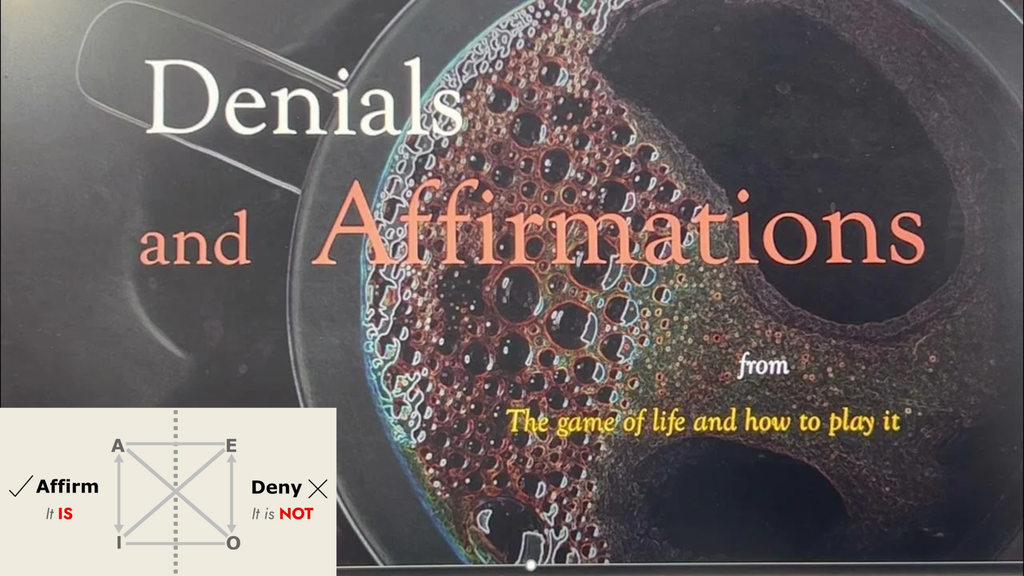
A hundred years have passed since Shinn’s lectures. Her language reflects her era—slightly formal, spiritually optimistic, occasionally quaint. Yet her framework anticipated discoveries in neuroscience, psychology, and behavioral science that researchers would confirm decades later.
The danger lies in responsibility. If life operates by law, then your circumstances reflect your participation—conscious or unconscious. This isn’t victim-blaming. It’s agency-restoring. It means you can change.
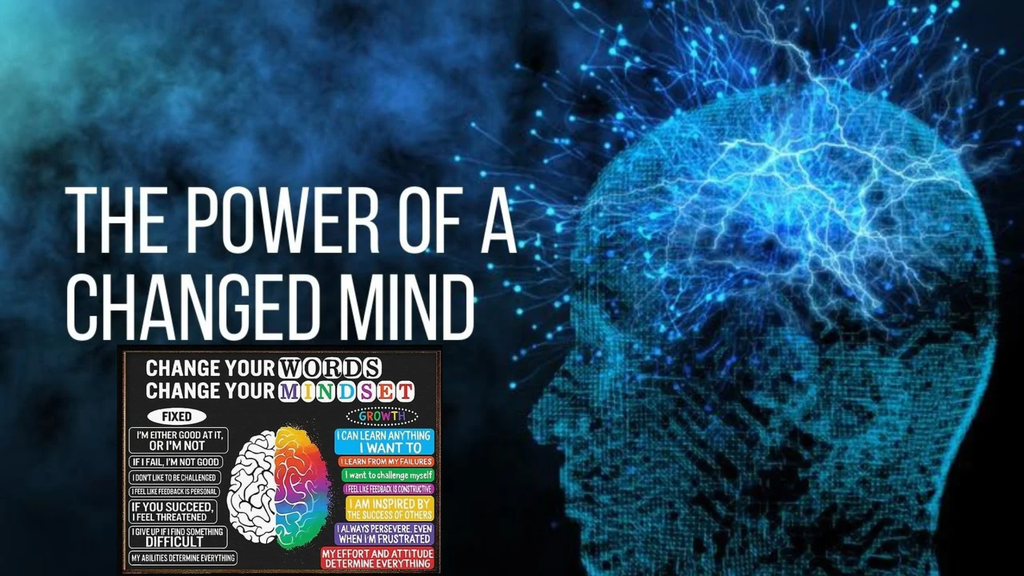
Bayer calls this “A Changed Mind.” The goal isn’t getting more. It’s becoming someone different. From that transformed identity, reality reorganizes.
Five Rules to Remember
Shinn’s essential teachings distill into five principles:
Faith is preparation. Accept the outcome before evidence appears.
Life is a game with laws. Learn the rules or lose by default.
Your words create your world. Speech is creative technology, not passive description.
Nonresistance creates results. What you fight, you feed. What you bless, you release.
Imagination comes first. Prepare for what hasn’t arrived yet.
A Changed Mind: The Final Word
Shinn wrote for a small audience in a forgotten corner of New York. She couldn’t have imagined her words reaching millions. Yet the principles she articulated—thought creates reality, words shape circumstances, resistance perpetuates problems—have become foundational to modern self-development, cognitive therapy, and consciousness research.
Her book remains dangerous because it works. It demands responsibility. It eliminates excuses. And once understood, it cannot be unknown.
The game continues. The rules remain constant. The question is whether you’ll play consciously—or keep losing by default.