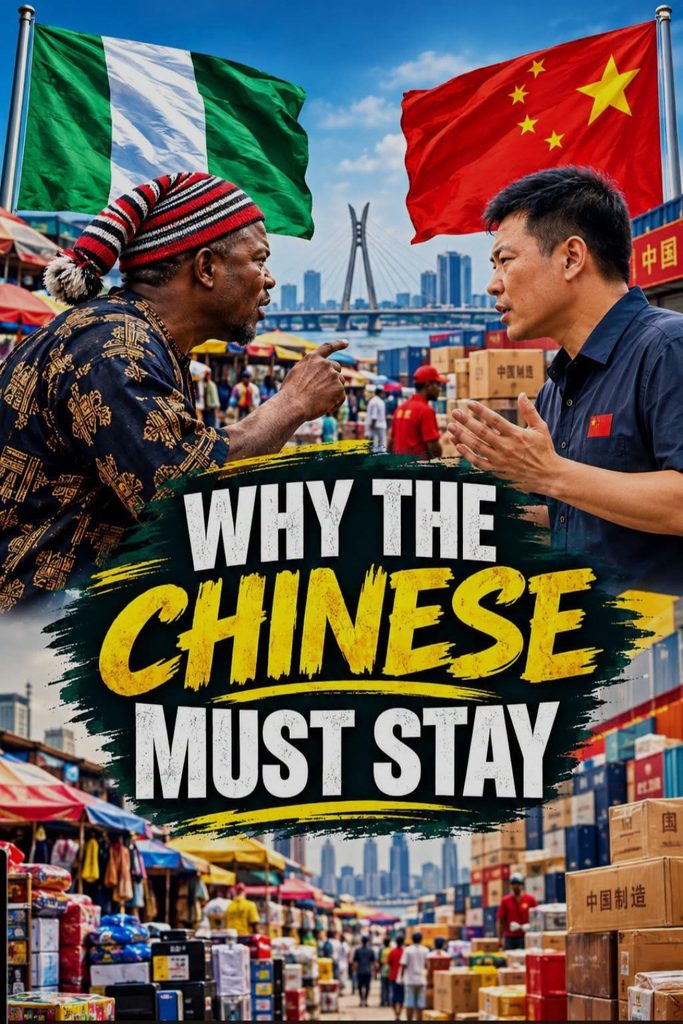

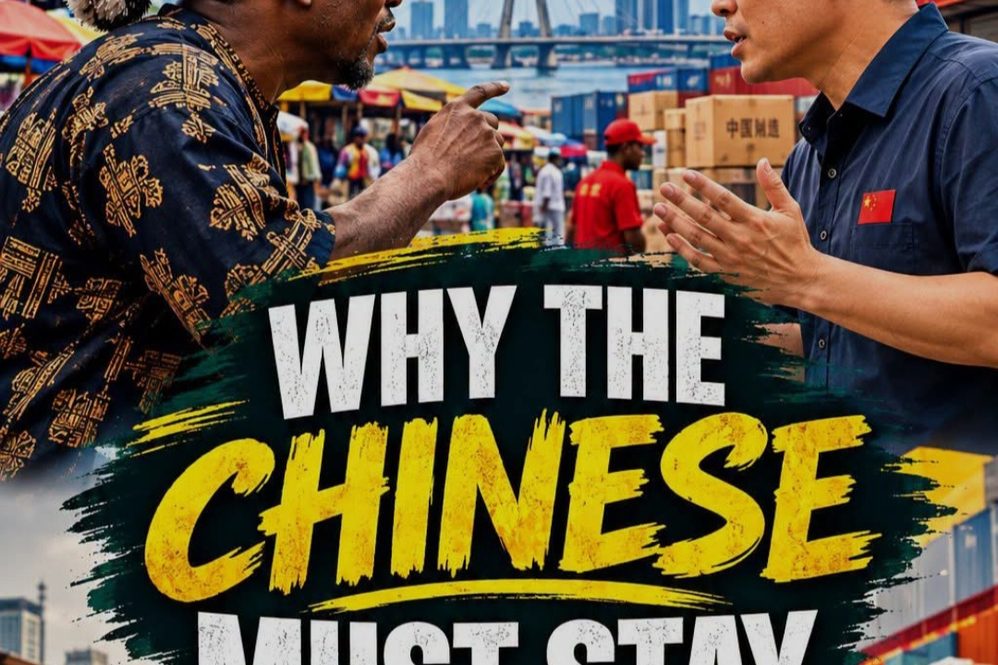
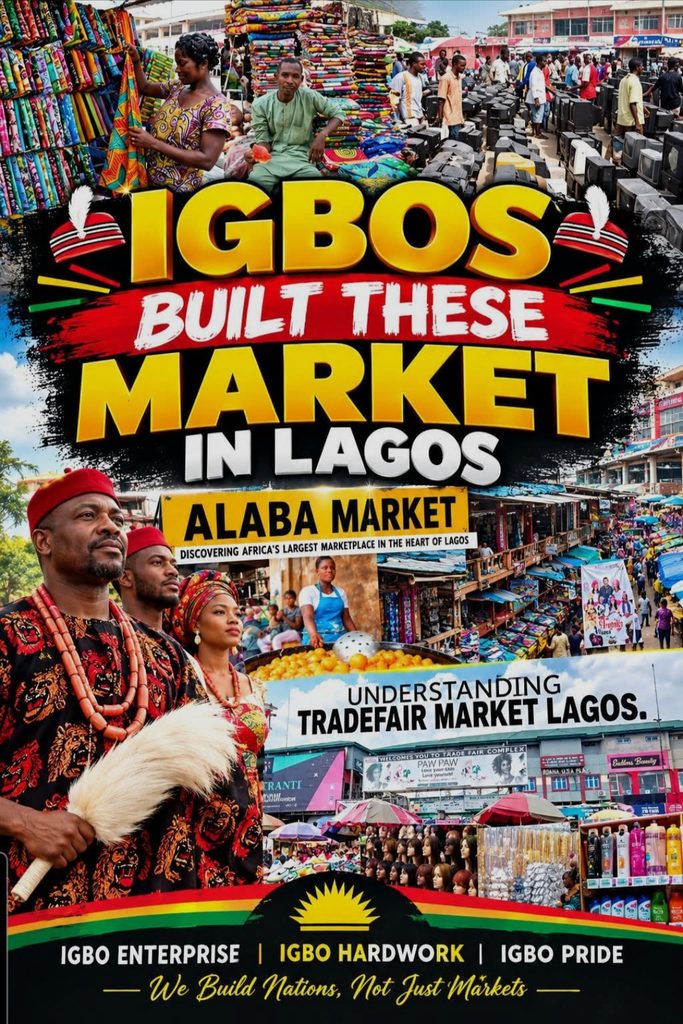
LAGOS — For more than forty years, Igbo traders controlled the space between China’s factories and Nigeria’s consumers. They flew to Guangzhou, filled containers, cleared goods at Apapa, and moved them through Lagos markets. The profits were real. The factories, however, were not.
That omission is now being punished in real time with its consequential effects.
A Middleman Economy That Never Became an Industrial One
The Igbo trading network is one of the most efficient distribution systems in West Africa. From Ariaria in Aba to Balogun and the Trade Fair Complex in Lagos, Igbo merchants built a commercial architecture that moves goods faster than almost any local competitor. Money moved. Goods moved. Nothing else did.
What did not happen, year after year, was manufacturing. Hence, the traders who complained loudest on Monday, September 14, 2026, at the Lagos International Trade Fair Complex have spent four decades importing finished goods rather than producing them. They mastered the middle. They skipped the bottom.
Compare that record with Nnewi, where Igbo entrepreneurs did build auto parts factories. Consequently, that exception proves the rule. The trading class chose inventory over infrastructure, containers over production lines, and margin over machinery.
So when Chinese merchants announced their arrival, the Igbo trading class brought spreadsheets to a factory fight. Hence, their consumption pattern is now their albatross.
The Chinese Playbook: Four Decades of Quiet Positioning
Chinese businesses did not stumble into Lagos retail. They studied it.
For years, Chinese firms supplied Igbo traders as invisible manufacturers and wholesalers. They watched which goods sold, which routes worked, and which prices cleared the market. Invariably, they collected their data. They built relationships with shipping lines, customs agents, and warehouse owners. They learned the Nigerian consumer without ever meeting one.
Then they moved down the chain.
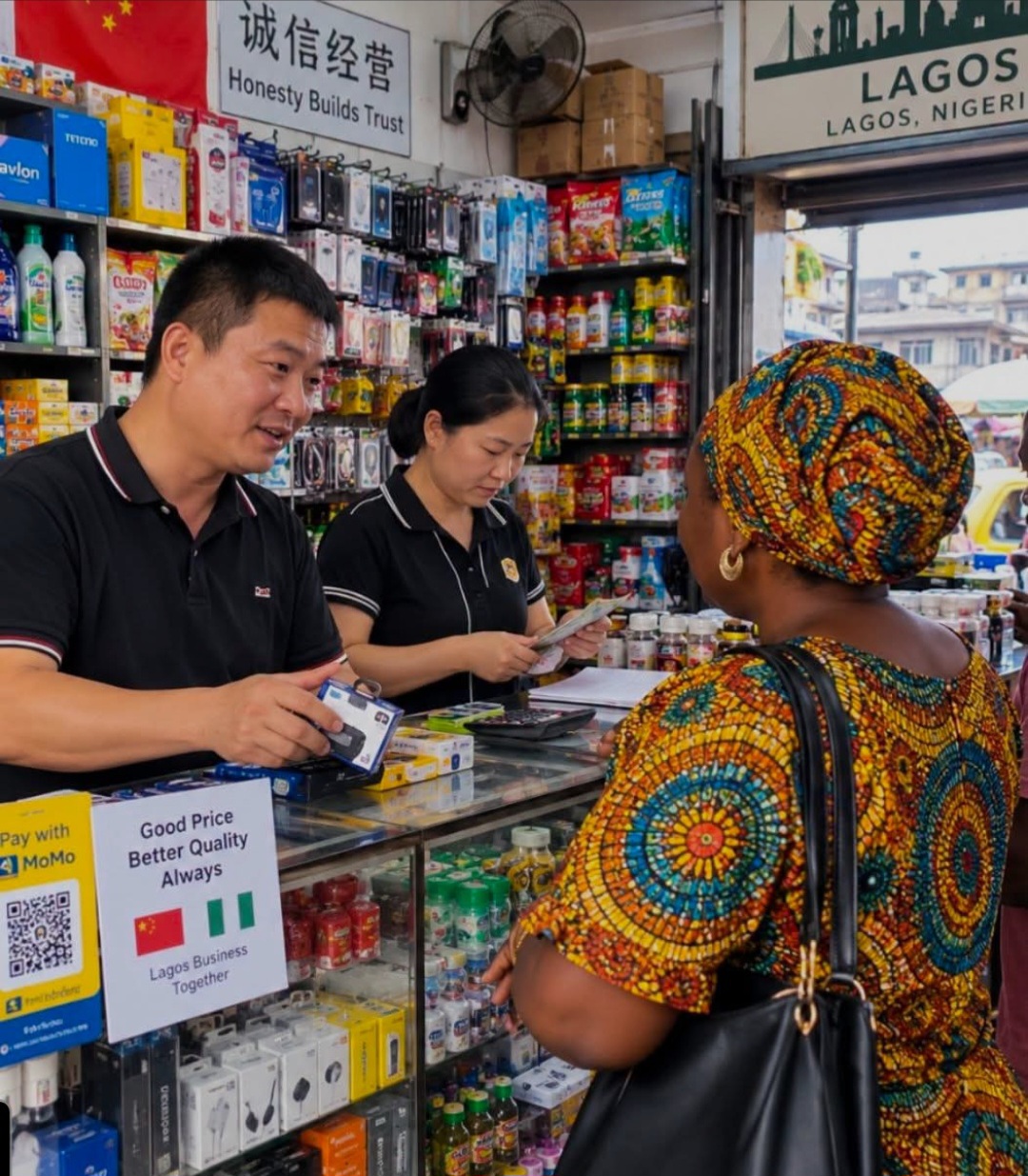
Furthermore, Chinese merchants rented shops at the Trade Fair Complex. They opened warehouses. Consequently, they began selling directly to buyers who once queued at Igbo stalls. Protesters claimed some vendors copied customer phone numbers from shipping waybills to solicit buyers. That claim has not been independently verified, but the tactic fits the pattern: understand the customer, then cut out the one who introduced you.
This is not opportunism. It is a slow, deliberate vertical integration built over decades while the Igbo traders were aloof.
The Consumer Does Not Care About History
Nigerian shoppers are not sentimental. They buy what they can afford. When China Square opened in Nairobi in 2023, Kenyan traders protested prices roughly 50 per cent below those of local merchants. Shoppers still came. The same dynamic is unfolding in Lagos. Traders can march, but customers will walk toward the cheaper shelf. This is the uncomfortable truth Igbo traders avoid: their customer base was never loyal. It was convenient. Convenience disappears when a cheaper option appears next door.
The Missed Decade: What Could Have Been Built
Between 2000 and 2020, Igbo trading capital flowed through Lagos and Aba in enormous volumes. Some of it built houses. Some of it funded weddings, chieftaincy titles, and hometown projects. Some of it sat in foreign currency. Very little of it built factories. If even a fraction of that capital had gone into local production—footwear, textiles, plastics, packaging, simple electronics assembly—the price war would look different today. A Nigerian factory selling locally would carry no import tariff, no freight, and no dollar exposure. It could compete on price and win. That factory does not exist at scale. The middleman built a mansion instead.
The Protest Was Honest About One Thing
The traders at the Trade Fair Complex were right about the imbalance. A foreign firm controlling production, import, distribution, and retail in one chain is not fair competition. It is a vertical monopoly dressed as an enterprise.
They were also right to keep the protest peaceful. Placards reading “Chinese must go” were paired with explicit denials of violence. One trader said plainly, “If any of us destroys anything, that person will pay.”
But being right about the imbalance does not answer the price war. Grievance does not lower costs.

What Comes Next: Regulation, Retreat, or Reinvention
Three paths remain.
Regulation. Nigerian law already restricts foreign participation in retail trade, though enforcement has been uneven. Stricter enforcement could slow Chinese expansion, but it cannot make Igbo traders cheaper. Protection buys time, not competitiveness.
Retreat. Some Igbo traders will move into lower-margin niches, services, or markets where Chinese chains have not reached. This is survival, not victory.
Reinvention. A smaller number will finally do what should have been done decades ago: pool capital, build factories, and sell Nigerian-made goods at Nigerian prices. This is the only path that wins a price war on merit.

The Verdict
Importantly, the Chinese did not defeat Igbo traders on Monday. They defeated them years ago, quietly, while the middlemen were counting margins instead of building machines.
A price war rewards whoever owns the cheapest supply chain. Right now, that is China. It will stay that way until Nigerian traders stop importing their competition and start manufacturing it.
The protest is over. The price war is not.
This article is based on public reporting and economic analysis. Discussion of ethnic identity is intended to examine commercial structures and does not represent a value judgement on any group.
https://vt.tiktok.com/ZSq7tXXBc/