


While Okin Biscuits Remained Silent
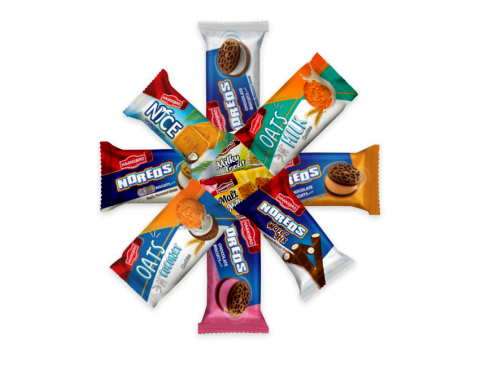
A Tale of Two Strategies: One Brand Evolved, Another Faded
For seventeen years, while one of Nigeria’s most beloved indigenous biscuit brands lay dormant, Pladis Global was busy building an empire. The contrast could not be starker.On August 25, 2026, Okin Biscuits finally fired up its ovens again in Offa, Kwara State—a remarkable technical achievement after vandals had stripped the factory bare since 2009. But the competitive landscape Okin returned to bears little resemblance to the market it left behind. In those seventeen years of silence, Pladis Global didn’t just survive—it thrived, consolidated, and transformed Nigeria’s biscuit sector into a fortress of international snacking power.
Pladis’s Unshakeable Foundation
While Okin’s founder Chief Emmanuel Olatunji Adesoye—the first qualified quantity surveyor in Northern Nigeria and a respected educational philanthropist—watched his beloved brand fade from supermarket shelves, Pladis Global was engineering one of the world’s most formidable snacking conglomerates.Formed in 2016, Pladis united internationally renowned brands including McVitie’s, Godiva Chocolatier, Ülker and DeMet’s Candy Company. The $5.2 billion snacking giant now operates 36 factories across 13 countries and employs 26,000 people worldwide. Its sheer scale makes competitors like Okin seem almost quaint in comparison—the group reportedly sells 2 billion units of McVitie’s products annually.
The Nigerian Powerhouse
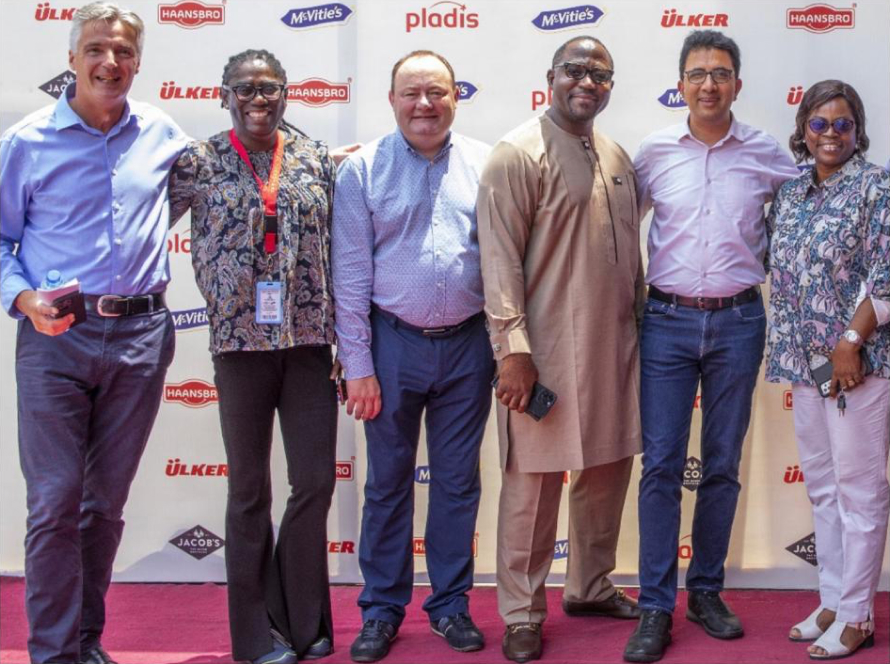
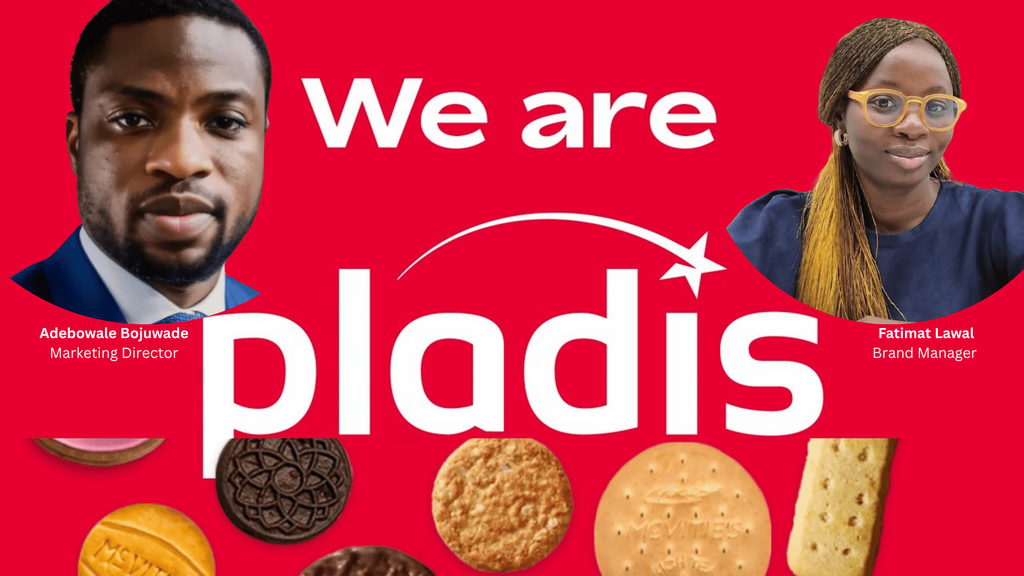
In Nigeria, Pladis has demonstrated exactly how foreign investment can succeed where local manufacturing struggles. The company’s Nigerian arm, formerly A&P Foods Limited, rebranded to Pladis Foods Nigeria Limited in 2024—a strategic move that aligned local operations with global corporate identity and unlocked worldwide expertise.Pladis Foods Nigeria manufactures and distributes McVitie’s biscuits locally, proving that international brands can successfully build local manufacturing capacity. The company also markets Haansbro, a local Nigerian brand, alongside global offerings like Jacob’s. This dual strategy—global strength combined with local sensitivity—has proven devastatingly effective.The numbers tell the story: Pladis commissioned a £15 million biscuit production line in Nigeria and achieved millions in cost savings through supply chain optimisation. Market research confirms what industry observers already knew—Pladis Foods Nigeria recorded the strongest uplift in market share among biscuit manufacturers in 2025.
A Market That Favours the Prepared
Okin’s revival coincides with optimistic projections for Nigeria’s biscuit market—the sweet biscuits segment alone is projected to expand from $774.6 million in 2026 to $1.15 billion by 2031. But Pladis has positioned itself to capture that growth, while Okin faces an uphill battle.The challenges confronting Okin are precisely the obstacles Pladis has already overcome. Reliable power? Pladis invested in solutions years ago. Supply chain resilience? Achieved. Consumer loyalty to a consistent, high-quality product? Pladis has delivered it without interruption for decades. Meanwhile, Okin acknowledges significant work remains before its biscuits return to store shelves—more testing, more calibration, more rehabilitation.
Nostalgia vs. Consistency
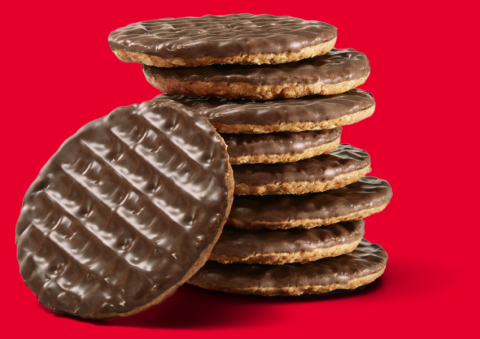
Consumer reactions to Okin’s return have been mixed. While many older Nigerians express nostalgia, others raise legitimate concerns about whether the relaunch can survive current economic realities. Commentators have pointed to the new round-shaped biscuits shown in videos, wondering whether they can recreate the taste and texture loyal customers remember—a question that speaks to the difficulty of reviving a brand after seventeen years of absence.Pladis never had to answer that question. Its products remained on shelves, building intergenerational loyalty. McVitie’s Digestives, Jacob’s Cream Crackers—these aren’t nostalgic memories for Nigerians. They’re daily staples, available in supermarkets across the country.
The Cost of Silence
Okin’s rehabilitation represents significant capital expenditure—rebuilding an entire production line after critical components were stolen. The company has not disclosed the total investment required, but the scope suggests substantial financial commitment.For Pladis, those investments were made years ago and have been generating returns ever since. The company’s Nigerian operations have been refining processes, optimising supply chains, and building relationships with retailers and distributors while Okin’s factory sat silent. Pladis didn’t just maintain market share during Okin’s absence—it aggressively expanded it.
What Okin’s Return Actually Means for Pladis
Pladis has little to fear from Okin’s revival. The competitive landscape has changed dramatically since 2009, with global players now deeply entrenched in the local market. Okin’s original collapse stemmed from factors that continue to plague Nigerian industry: unreliable power, infrastructure deficits, and competition from cheaper imports. The new electricity connection addresses one challenge, but it doesn’t erase seventeen years of lost ground.Okin’s marketing pitch leans heavily on nostalgia—”the machines are turning, the ovens are firing, the biscuits are beginning to roll out again.” It’s an emotional appeal, but emotion doesn’t win market share. Price, quality, distribution, and consistency do. In those areas, Pladis has a seventeen-year head start.
The Strategic Advantage
Pladis’s success isn’t accidental. The company made deliberate, strategic decisions while Okin remained frozen in time:· Local manufacturing capacity: Pladis built it. Okin is rebuilding it.· Supply chain resilience: Pladis optimised it. Okin is starting from scratch.· Brand equity: Pladis maintained it daily. Okin hopes to resurrect it.· Market relationships: Pladis cultivated them. Okin must rebuild them.· Consumer trust: Pladis earned it through consistent quality. Okin must prove it again.
The Bottom Line
Okin’s revival is a heartwarming story of Nigerian manufacturing resilience. But for Pladis Global, it’s business as usual. The company has already won the Nigerian biscuit market through strategic investment, operational excellence, and uninterrupted presence. Okin’s return doesn’t threaten that dominance—it simply adds another competitor to a market where Pladis has already proven it can compete and win. Seventeen years is a long time in fast-moving consumer goods. Consumer tastes evolve, supply chains shift, and competitors entrench themselves. Pladis didn’t just survive those seventeen years—it flourished. Meanwhile, Okin’s “return” isn’t a victory; it’s a restart. And in the race to capture Nigeria’s growing biscuit market, a seventeen-year head start is almost insurmountable. Reporting based on company announcements, market research, and industry analysis. Pladis Foods Nigeria Limited continues to lead the Nigerian biscuit sector with unmatched scale, investment, and market presence.