

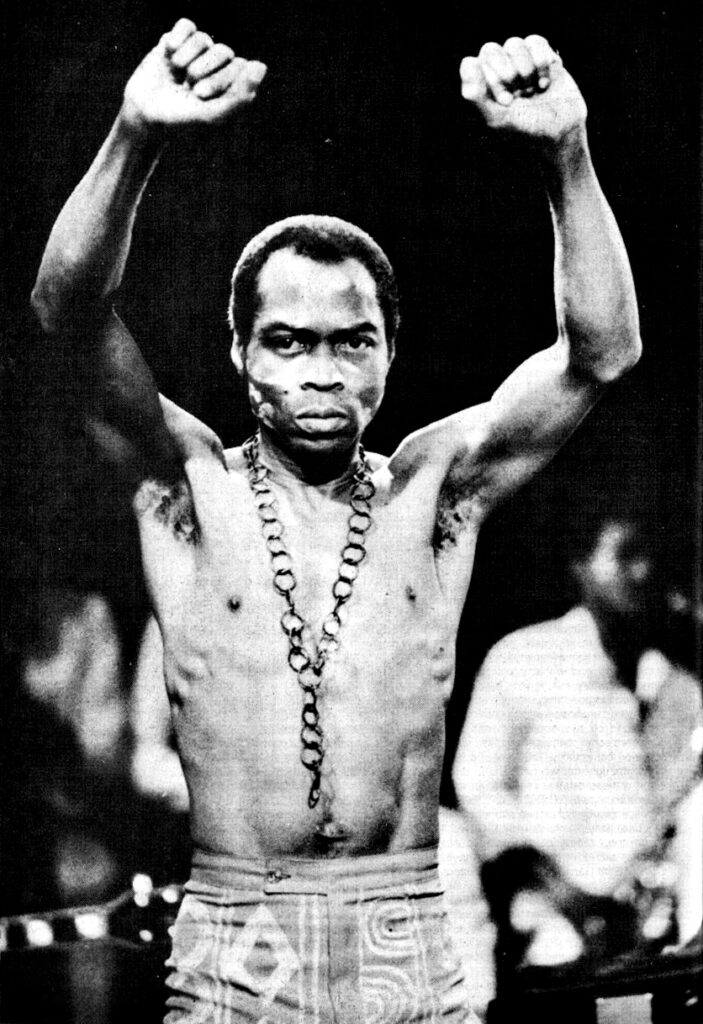
On August 2, 1997, the world lost a musical titan. Fela Aníkúlápó Kútì passed away at 58, but his voice never truly fell silent. Born Olufela Olusegun Oludotun Ransome-Kuti on October 15, 1938, in Abeokuta, Nigeria, Fela was destined for greatness. His mother, Funmilayo Ransome-Kuti, was a pioneering feminist and anti-colonial activist who led the Abeokuta Women’s Riots in 1946. His father served as an Anglican minister and the first president of the Nigeria Union of Teachers. Activism was quite literally in his blood.
From London to Lagos: The Birth of a Sound
Fela’s musical journey began in 1958 when he travelled to London to study music at Trinity College. There, he formed Koola Lobitos, blending jazz and highlife into something fresh. After returning to Nigeria, he worked as a radio producer while continuing to perform. Everything changed in 1969. Fela took his band to Los Angeles and discovered the Black Power movement through Sandra Smith, a Black Panther Party sympathiser. This experience reshaped his worldview and his music. He renamed his band Nigeria 70 and later Africa ’70, shifting lyrical themes from love to social injustice. He also rejected his colonial surname “Ransome”, adopting Anikulapo instead—meaning “He who carries death in his pouch”. This was not merely a name change; it was a declaration of independence.
The Kalakuta Republic and the War Against Military Rule
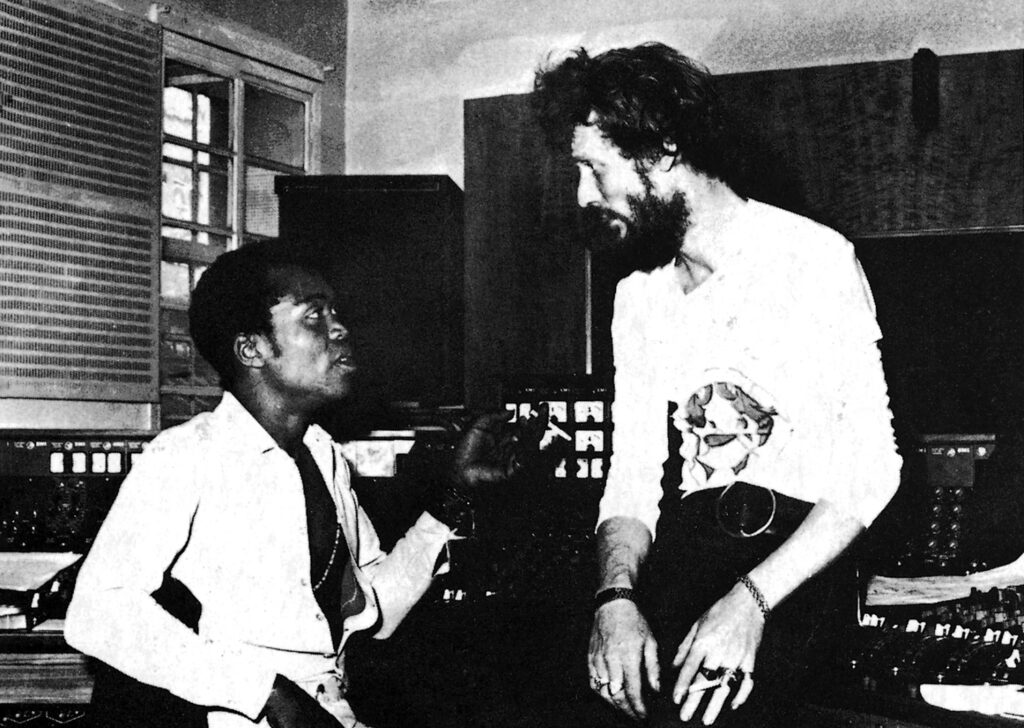
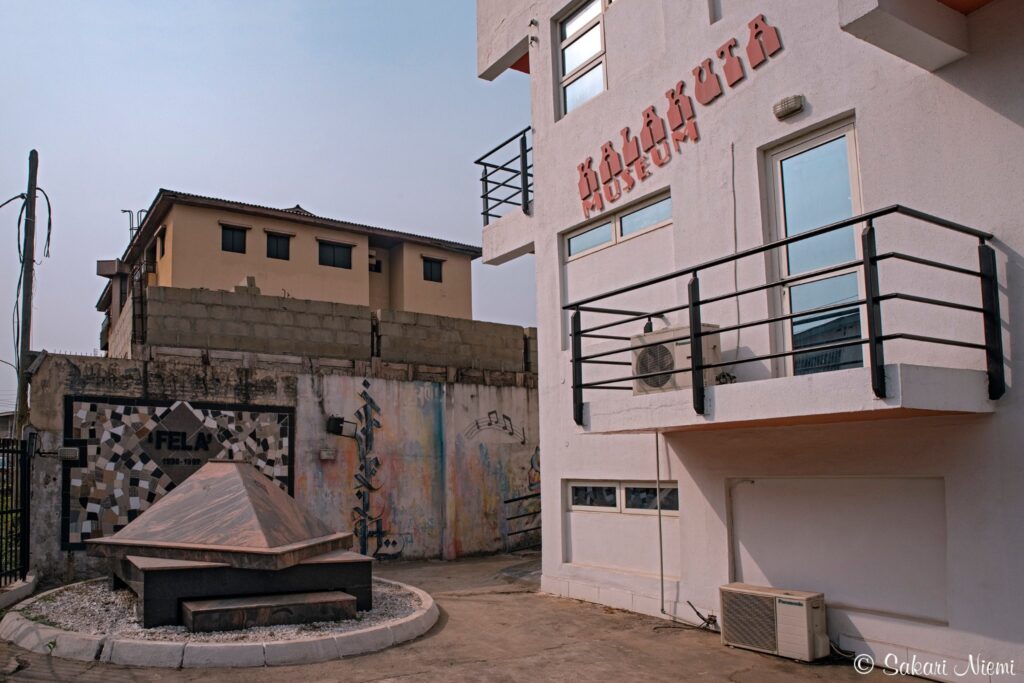
Fela founded the Kalakuta Republic—a commune, recording studio, and sanctuary for his band and followers. He declared it independent from the Nigerian state. Naturally, the government despised him. In 1977, Fela released Zombie, a scathing critique of Nigerian soldiers. The album became a massive success, but it infuriated the military junta. One thousand soldiers raided the Kalakuta Republic. Fela was severely beaten. His elderly mother was thrown from a window and later died from her injuries. The commune was burnt to the ground, along with his studio, instruments, and master tapes. Most artists would have retreated. Fela responded by delivering his mother’s coffin to the official residence of General Olusegun Obasanjo. He then wrote two songs: “Coffin for Head of State” and “Unknown Soldier”. This was not merely music; it was warfare conducted through rhythm.
Prison, Politics, and Uncompromising Truth
In 1978, Fela married 27 women simultaneously, partly to protect them from government claims that he was kidnapping women. That same year, he formed his political party, the Movement of the People (MOP). In 1983, he nominated himself for president, but his candidature was rejected. The government of Muhammadu Buhari jailed him in 1984 on currency smuggling charges. Amnesty International designated him a prisoner of conscience. After 20 months, he was released. Upon his release, Fela divorced his remaining wives, citing that “marriage brings jealousy and selfishness”. He continued recording and touring, releasing Beasts of No Nation in 1989, which depicted Reagan, Thatcher, and Botha on its cover.
The Legacy That Refuses to Die
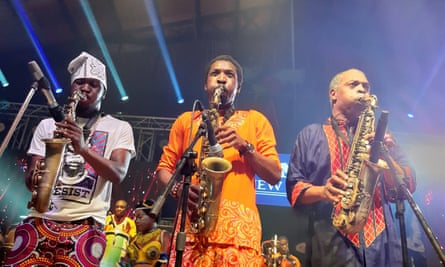
Fela died from heart failure due to complications from AIDS. He had been an AIDS denialist, which remains a tragic footnote to his extraordinary life. His sons Femi and Seun have carried his torch forward. In 2026, Fela was posthumously inducted into the Rock and Roll Hall of Fame. His influence echoes through artists like Beyoncé, Burna Boy, and countless others who draw from his fearless fusion of funk, jazz, and traditional Yoruba music. Fela once said, “Music is the weapon of the future.” He proved that a saxophone could be mightier than a rifle. His voice was silenced on August 2, 1997, but his message remains as urgent as ever. The world still needs revolutionaries who refuse to bend. The world still needs Fela.