

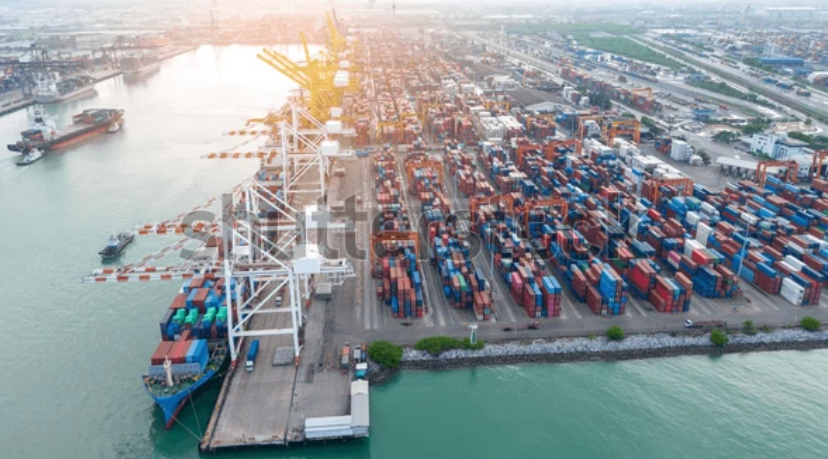
The Port & Terminal Management Academy of Nigeria (POTEMAN) plans a 2-day training workshop. The event focuses on Container Operations and Management. Hence, it aims to boost efficiency, productivity, and global competitiveness in Nigeria’s maritime sector.
Subsequently, he hopes to tackle the deficiencies in operational and managerial decision making in other fields that is closely related to container operations. Especially, as it concerns both new and old entrepreneurs which he also called “Portpreneurs.”
Workshop Details and Venue
Prof. Samuel Babatubde, POTEMAN’s Rector, confirmed the workshop dates. Thus, it will take place from 25th to 26th July 2026. The venue is 29, Burma Road, Apapa, Lagos. Moreover, the workshop will gather key stakeholders from the port, shipping, and logistics industries.
Importance of Training for Maritime Industry Operators
POTEMAN highlights that container shipping moves over 80% of global merchandise by volume. Consequently, as ports automate the more and supply chains integrate, skills must improve. Consequently, industry players need to upgrade to stay competitive in this evolving landscape.
The training focuses on several goals:
- Improve container terminal productivity and operational efficiency
- Reduce vessel turnaround and cargo dwell time
- Enhance equipment use and yard planning
- Strengthen cargo safety, security, and risk management
- Boost customer satisfaction and service delivery
- Promote global best practices in container terminal operations
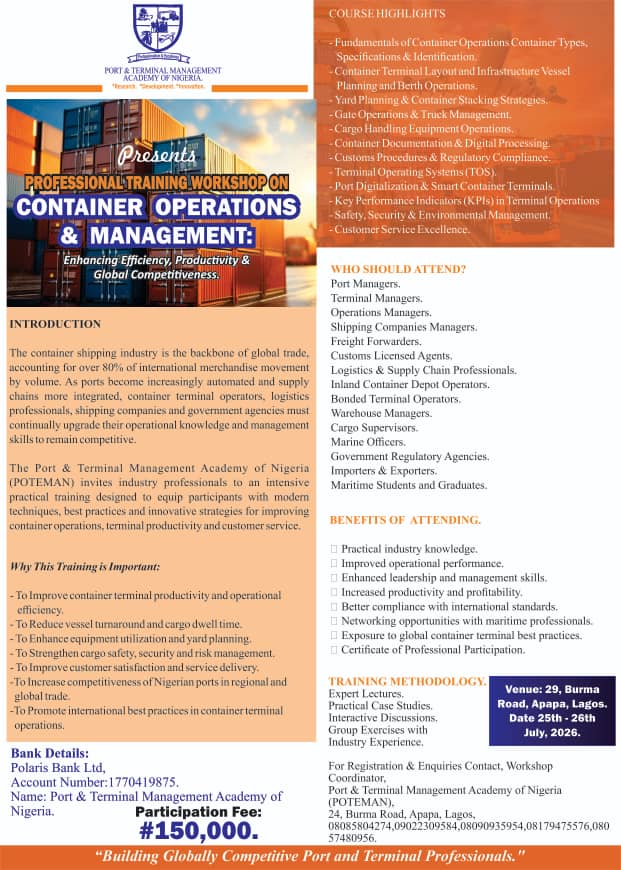
Comprehensive Course Highlights
Participants will learn practical and vital skills including:
- Container types and specifications
- Terminal layout and infrastructure
- Vessel planning and berth operations
- Yard planning and stacking strategies
- Gate operations and cargo handling equipment
- Documentation and digital process flows
- Customs procedures and compliance
- Terminal Operating Systems (TOS)
- Port digitalization strategies
- KPIs in terminal operations
- Safety, security, and environmental management
Who Should Attend?
The workshop welcomes:
- Port Managers and Terminal Managers
- Operations Managers and Shipping Executives
- Freight Forwarders and Customs Licensed Agents
- Logistics and Supply Chain Professionals
- Warehouse Managers and Government Regulatory Agencies
- Importers, Exporters, Maritime Students, and Graduates
Benefits and Registration Details
Participants will gain:
- Practical industry knowledge
- Enhanced leadership and management skills
- Valuable networking opportunities
- A Certificate of Professional Participation
The participation fee stands at ₦150,000. Payments go to Polaris Bank Ltd, Account No: 1770419875, Account Name: Port & Terminal Management Academy of Nigeria.
Furthermore, he and his team of seasoned lecturers and instructors are ready to unleash the latest knowledge in the field. Thus, what he and his team are offering clearing shows is at a discounted rate. Hence, it is imperative for the stakeholders in the field to seize this golden opportunity to broaden their knowledge.
For registration and inquiries, contact the Workshop Coordinator at:
- 08085804274
- 09022309584
- 08090935954
- 08179475576
- 08057480956
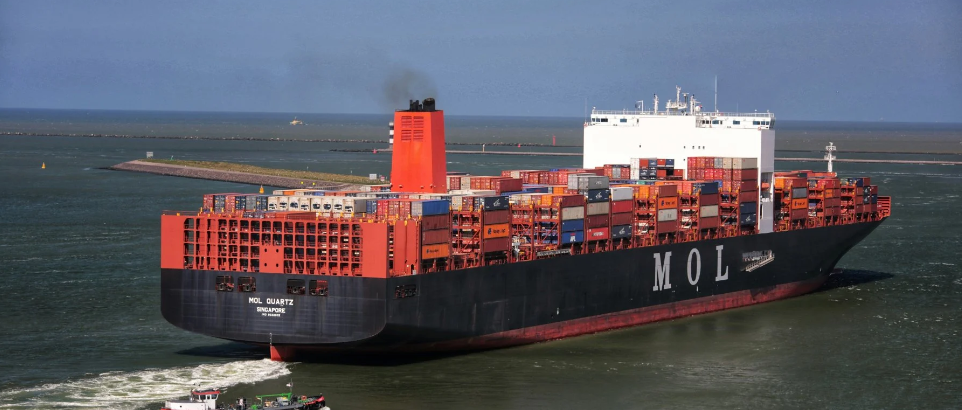
POTEMAN’s Commitment to Maritime Excellence
POTEMAN reaffirmed its mission to “Build Globally Competitive Port and Terminal Professionals.” Likewise, this commitment supports positioning Nigerian ports for 21st-century trade demands. For this reason, he is determined to equip the new entrants into the field with first class training.
Hence, the workshop promises to equip maritime professionals with the skills to navigate a dynamic global market. It offers a timely opportunity to sharpen expertise and drive Nigeria’s maritime sector forward.
Profile of Professor Samuel Babatunde
Babatunde served as the National Vice President of the Nigerian Institute of Shipping and previously held the position of National Secretary twice. In addition, he earned a master’s degree in Transport Planning and a first degree in Shipping and Logistics Management. Recently, he achieved professorial status. Furthermore, he is a renowned author and an active consultant in the maritime field.

Conclusion
The maritime industry or field is very wide; therefore, maritime professionals should seize this opportunity to up skill. Additionally, the workshop would directly affect the efficiency of Nigeria’s ports and its global competitiveness. This training will therefore equip participants to meet future industry challenges. Finally, the commitment of POTEMAN is a guarantee of continued growth in the maritime sector. Therefore, stakeholders ought to register without delay and invest in their professional development. “Finally, this event is a critical step towards the development of Nigeria’s maritime industry.