
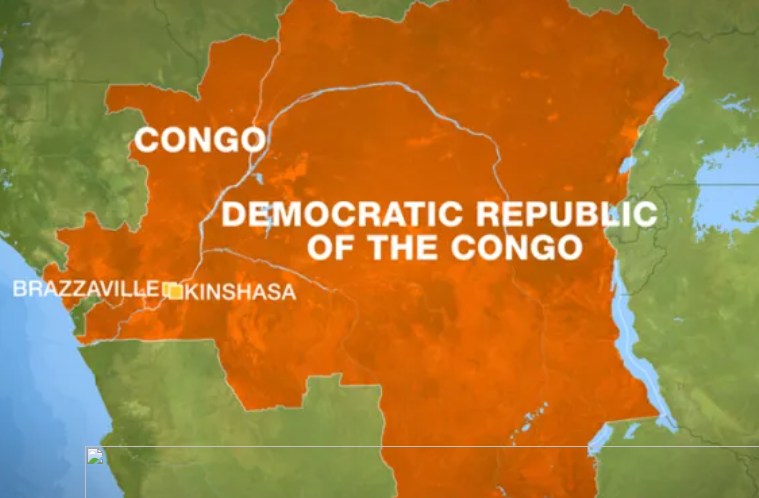
MBANZA-KONGO & BRAZZAVILLE — Before the Congo River divided two nations, a kingdom thrived. It stretched widely, wielded great power, and organised itself remarkably well. At its height, it extended from the Atlantic Ocean in the west to the Kwango River in the east. Moreover, its influence spanned from the Congo River in the north to the Kwanza River in the south. This kingdom, known as Kongo, represented a centralised African state that flourished for over five centuries.
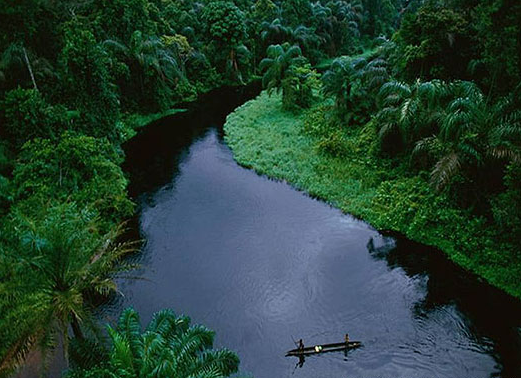
Lukeni lua Nimi founded the kingdom around 1390 and developed sophisticated political institutions. Rather than a loose collection of villages, the kingdom operated as a monarchy centred in Mbanza-Kongo (now located in northern Angola). It maintained a standing bureaucracy and appointed provincial governors across its territories. The Manikongo—the ruler’s title—commanded loyalty from core provinces such as Mpemba, Mbata, and Soyo.
By the early 17th century, the kingdom’s core region housed over half a million people. Furthermore, the capital itself contained nearly 100,000 residents at its peak. Consequently, this concentration of people and resources made the Kongo monarchy exceptionally powerful compared to its regional rivals.
Today, the legacy of that kingdom spreads across the map of Central Africa. The Congo River, which once served as the lifeline of the Kongo civilisation, now physically separates two sovereign nations. On the western bank, you find the Republic of Congo (Congo-Brazzaville). Meanwhile, on the eastern bank lies the Democratic Republic of Congo (Congo-Kinshasa). One river connects two capitals, and a shared name reflects their common ancestry.
The French and Belgian Divergence
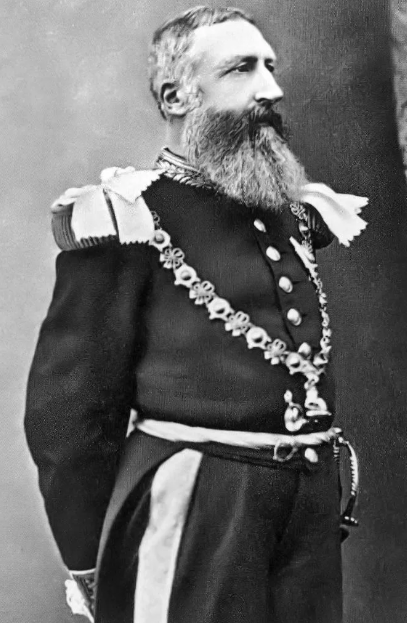
The division of the Kongo people into two separate colonial territories explains the modern political split. France colonised the western region and established French Congo in 1882, designating Brazzaville as its capital. Meanwhile, Belgium, under King Leopold II, claimed the vast eastern territory in 1885, first as the Congo Free State and later administering it as the Belgian Congo.
These two colonial powers imposed different legal systems, languages (both French, but with distinct administrative cultures), and economic structures. As a result, the Bakongo people—the ethnic group that gave the kingdom its name—found themselves arbitrarily divided. The river became an international border that separated families.
Both colonies gained independence in 1960. However, their post-independence trajectories diverged significantly.
Congo-Brazzaville: The 40-Year Presidency of Denis Sassou Nguesso
In the Republic of Congo, one man defines modern politics. Denis Sassou Nguesso, a career military officer, first took power in 1979. He led the country under a one-party system until 1992. Then, he lost the first multi-party elections to Pascal Lissouba. However, in 1997, during the civil war, he returned and overthrew his successor.
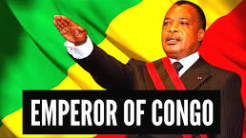
As of 2026, Sassou Nguesso is 82 years old. He has ruled Congo-Brazzaville for over 40 cumulative years, ranking among Africa’s longest-serving leaders alongside Cameroon’s Paul Biya and Equatorial Guinea’s Teodoro Obiang. His party, the Congolese Labour Party (PCT), holds a firm grip on power. Moreover, the government has imprisoned opposition candidates, and election observers note that the president controls the entire electoral process.
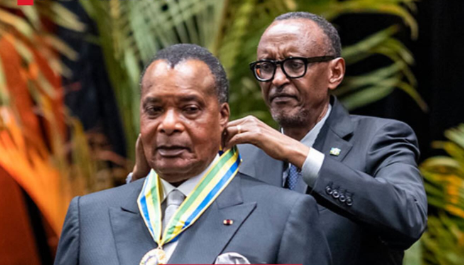
His foreign policy reflects a series of balancing acts. Congo-Brazzaville maintains close ties with both France, its former colonial power, and Russia. Additionally, Sassou Nguesso has cultivated a strategic relationship with neighbouring Gabon. The two countries, both former French colonies, share a long border and overlapping economic interests in oil and timber.
Congo-Kinshasa: From Lumumba to Mobutu to Kabila
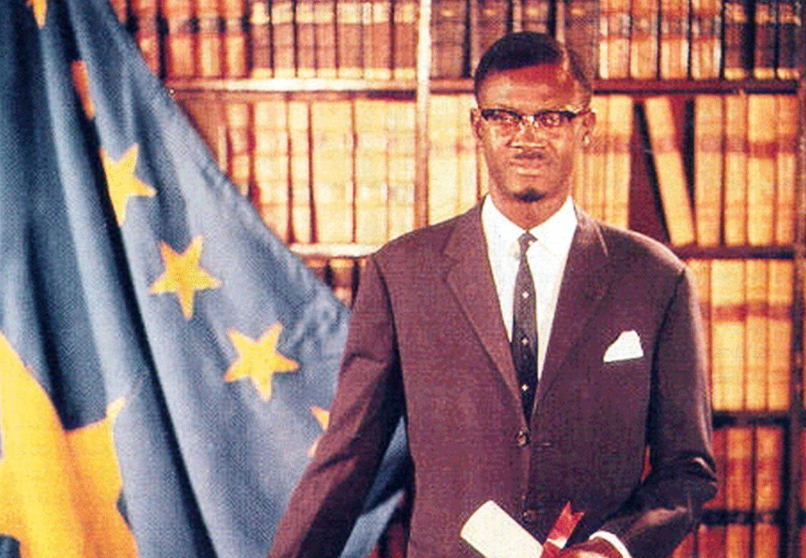
The Democratic Republic of Congo’s history has been even more turbulent. After gaining independence in 1960, the country immediately faced a crisis. The army mutinied, and the mineral-rich province of Katanga seceded. In 1961, foreign involvement reportedly led to the assassination of the first prime minister, Patrice Lumumba.
In 1965, army chief Joseph Mobutu seized power. He renamed the country Zaire and styled himself Mobutu Sese Seko. For 32 years, he ruled over one of Africa’s most notorious kleptocracies. Western powers supported his regime during the Cold War. However, by the mid-1990s, Mobutu’s grip weakened.
The 1994 Rwandan genocide changed everything. Approximately one million Hutu refugees fled to eastern Zaire. Mobutu supported Hutu militias, which earned him the enmity of Rwanda’s new Tutsi-led government. In 1996, a rebellion led by Laurent-Désiré Kabila—a long-time opponent of Mobutu who claimed Lumumba’s legacy—swept across the country. By May 1997, Mobutu fled into exile. Kabila then entered Kinshasa and restored the country’s name to the Democratic Republic of Congo.
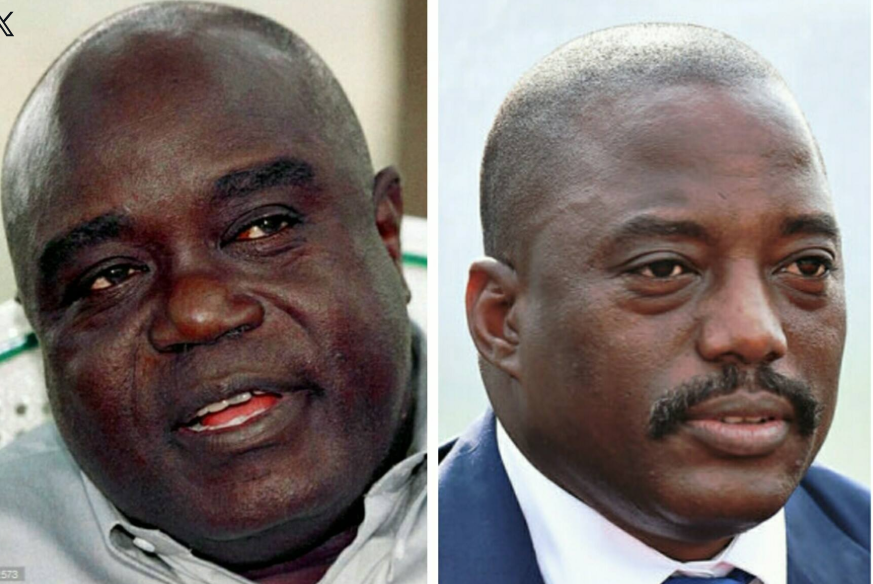
Kabila’s victory, however, depended heavily on foreign backers—particularly Rwanda and Uganda. He struggled to assert autonomy from his Tutsi allies and had to balance ethnic factions within his coalition to survive. In January 2001, a bodyguard assassinated Laurent Kabila. His son, Joseph Kabila, then succeeded him.
Joseph Kabila ruled until 2019 and oversaw a controversial transition. The 2018 election sparked widespread dispute. Although opposition candidate Felix Tshisekedi declared victory, rival candidate Martin Fayulu alleged a backroom deal.
The Kingdom’s Enduring Shadow
Although Portugal formally abolished the Kingdom of Kongo in 1914 after it crushed a revolt. The monarchy continued as an honorific title without real power until 1975. Nevertheless, the kingdom’s cultural imprint remains strong. The Kikongo language still enjoys wide use. Additionally, the Bundu dia Kongo movement in modern-day Angola, the DRC, and Congo-Brazzaville actively advocates reviving the kingdom through secession.
Today, the two Congos face different futures. One country remains defined by a single ruler’s four-decade reign. In contrast, the other reflects a complex legacy of assassination, rebellion, and contested elections. Yet, both share the same origin story, tracing their names to the Bakongo people who built a mediaeval empire along the river.
Sassou Nguesso has outlasted Mobutu, both Kabilas, and every American president since Jimmy Carter. Across the river, Kinshasa has experienced independence, dictatorship, civil war, and fragile democracy. The river continues to flow. The kingdom has vanished, but the divisions it left behind remain very much alive.