
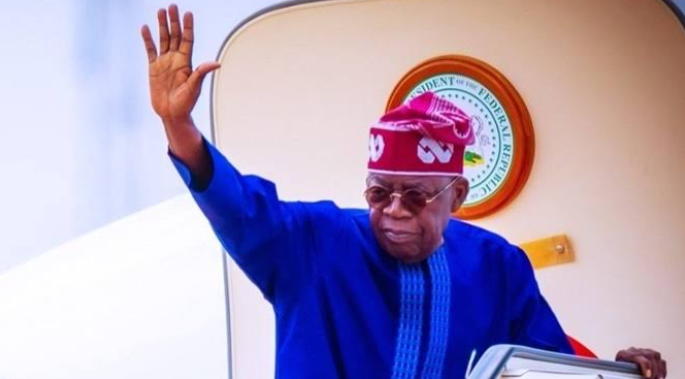
The Mosaic of Tinubu’s Political Education Every great leader’s journey is a mosaic of lessons, influences, and experiences. Bola Tinubu’s ascent in Nigerian politics reflects this. His political education was shaped by key figures in Nigeria’s democratic struggle: Alhaja Abibatu Mogaji, MKO Abiola, Chief Dapo Sarumi, NADECO, Chief Abraham Adesanya, and the Alliance for Democracy (AD). These figures formed what insiders call the “University of Jagaban”, a political school without walls or certificates but with a reputation for producing powerful leaders. Their lessons went beyond theory—they taught survival, strategy, and the courage to confront power.
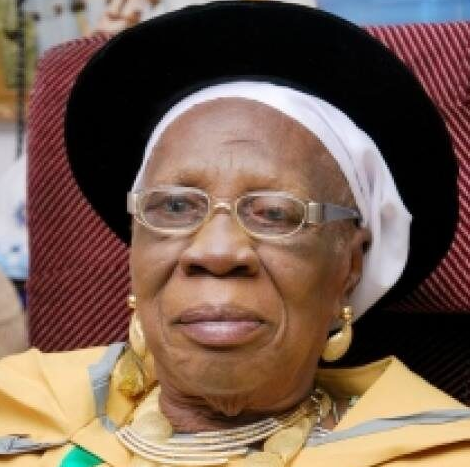
Market Politics: Lessons from Alhaja Abibatu Mogaji
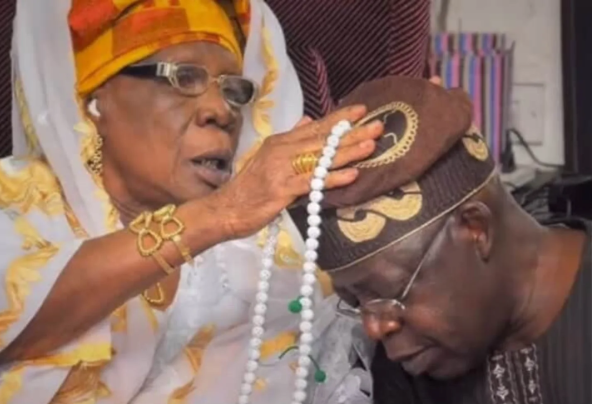
Tinubu’s earliest political lessons came from the markets of Lagos, led by his mother, Alhaja Abibatu Mogaji. As Iyaloja General, she ruled the complex world of Lagos markets with authority. From her, Tinubu learnt the art of negotiation, coalition building, and reading power shifts in real time. She resolved conflicts between rival traders and negotiated with military administrators on behalf of market women. This taught Tinubu that influence often springs from trust, not formal titles. Moreover, her resilience under military harassment and detention also instilled a backbone of courage in him. These lessons would later help Tinubu heal political rifts and unify factions in Nigerian politics.
Abiola’s Media Masterclass and Democratic Fight
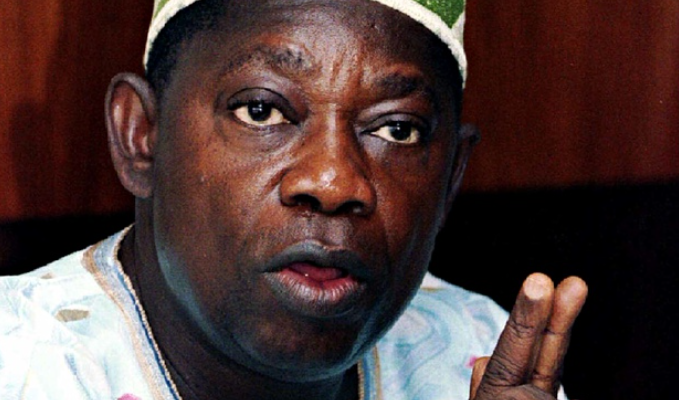
MKO Abiola was more than a mentor; he was Tinubu’s political apprenticeship in media and power. Abiola’s media empire, including Concord newspapers and broadcasting, showed Tinubu how political influence flows through money and narrative control. When Abiola’s presidential mandate was annulled, Tinubu became a fierce advocate for democracy. He joined NADECO, funded pro-democracy activities, and endured exile in Benin, Sweden, and the UK. There, Tinubu studied diaspora networks and international media influence—knowledge he later used to build The Nation newspaper and TVC, crucial tools in shaping Nigeria’s political discourse.
From Protégé to Rival: The Sarumi Episode
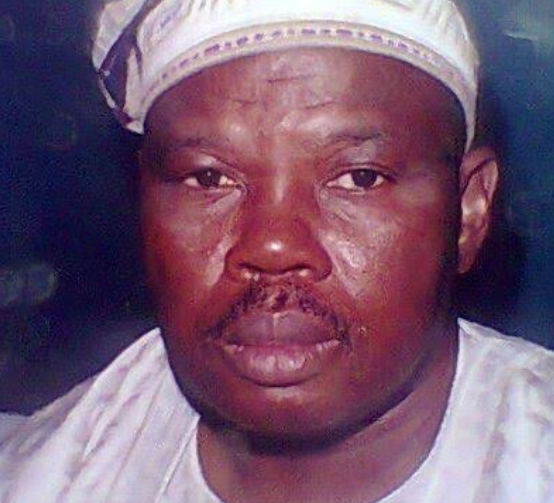
Chief Dapo Sarumi’s mentorship exemplifies Tinubu’s early political rise. In 1991, Sarumi was a major Lagos political figure and leader of PRIMROSE. Seeing potential in Tinubu, then Mobil Oil treasurer, he brought him into politics. When Sarumi was disqualified from the gubernatorial race, he redirected support to Tinubu for the Lagos West Senate seat. Tinubu won and became a senator. Years later, Sarumi and Tinubu faced off in the 1999 Lagos governorship election as political rivals. Sarumi admitted, “We made Bola Tinubu a senator”, yet Tinubu went on to become governor, national leader, and president. This story highlights how mentorship opens doors, but individual capacity determines leadership.
The Historic Confrontation with General Babangida
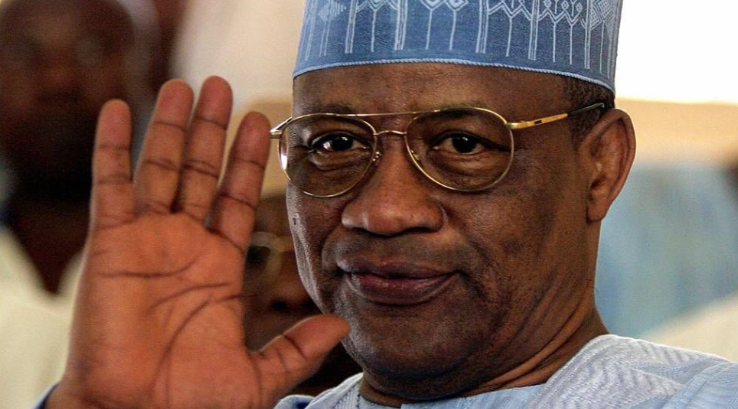
Tinubu’s boldness peaked in 1992 when he confronted General Ibrahim Babangida. At Abuja’s International Conference Centre, he publicly challenged Babangida for delaying Nigeria’s democratic transition. Tinubu told Babangida he was “failing history” by refusing to hand over power to a civilian president. The military ruler, known for suppressing dissent, surprised many by shaking Tinubu’s hand and calling him courageous. Consequently. His confrontation symbolised Tinubu’s refusal to bow to power and cemented his reputation as a fearless democrat. Though the June 12, 1993 election was annulled, this moment remains a defining act of political courage.
Media Influence: Learning from Berlusconi’s Playbook
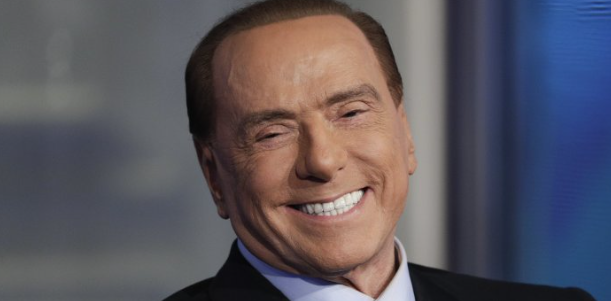
Political analysts often compare Tinubu to Italy’s Silvio Berlusconi, who built political power through media ownership. Tinubu’s acquisition of The Nation and TVC followed this model—using media to shape narratives and mobilise public opinion. In addition, his media platforms played a pivotal role in uniting opposition parties into the APC, which defeated a sitting president in 2015. However, Tinubu’s strategy shows his ability to adapt successful foreign political models to Nigeria’s unique environment, blending influence and communication.
The Graduates of the “University of Jagaban”
Tinubu’s political school has produced many leaders, known as “waziri” or “omo ijoye”, who thrive on loyalty, competence, and challenge. Invariably, his mentorship style involves nurturing talent while demanding accountability. Governors, senators, and local leaders owe much of their growth to his guidance. Tinubu’s rise was forged by mentors but shaped by his own adaptation and ambition. Thus, the “University of Jagaban” continues to influence Nigerian politics through its alumni.
Conclusion: Absorption, Adaptation, and Audacity
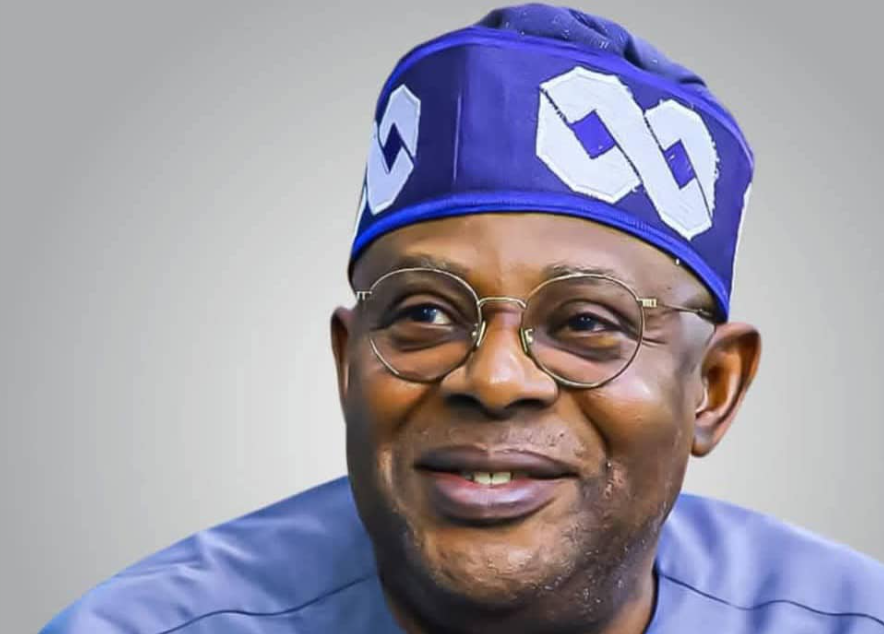
Bola Tinubu’s political journey is a masterclass in learning, adaptation, and boldness and transforms mentors into stepping stones and rivals into references. Every crisis was a lesson; every confrontation, a credential. From shaking General Babangida’s hand to shaping Nigeria’s future, Tinubu exemplifies courage and strategic acumen. His legacy as a leader and mentor will continue to shape Nigeria’s political landscape for generations.