


Red Gold Beyond Economics: Why Nigeria Must Learn from Malaysia’s Palm Oil
Palm oil has long been central to West African cuisine and culture. Yet, Nigeria imports millions of tonnes despite being a major producer. Malaysia, with no native oil palm trees, became the world’s second-largest exporter. This success hinges not only on agriculture but also on viewing palm oil as food.
As a dietitian and food systems journalist, I see edible oils through nutrition, not deficits. Malaysia’s story offers Nigeria a blueprint for healthier, culturally fitting cooking fats. The lesson here is nutritional, not merely mechanical.
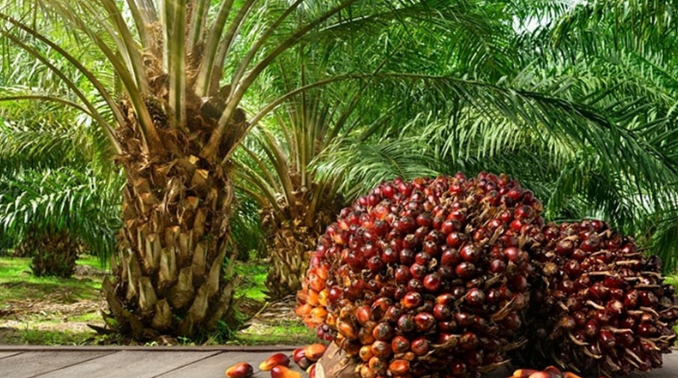
The Red Oil Riddle: Nigeria vs. Malaysia
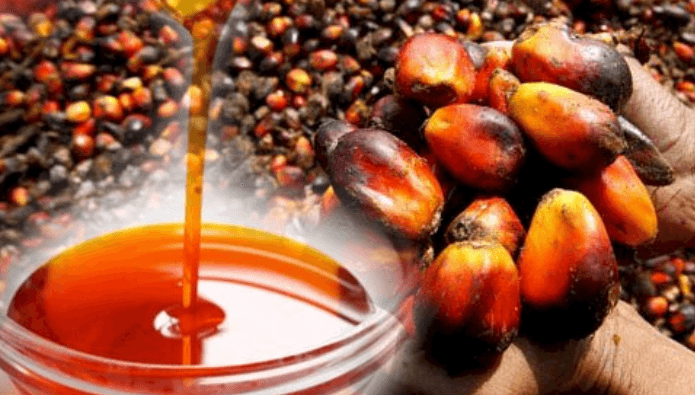
In Lagos markets, two palm oils coexist: artisanal and refined RBD imports. Village-processed oil is deep red, rich in carotenoids—vitamin A precursors. A tablespoon of this unrefined oil provides up to 50% of a child’s vitamin A. This public health asset remains largely ignored in Nigeria’s policy.
Malaysia industrialised early, preserving carotenoids while removing rancidity-causing acids. The Malaysian Palm Oil Board balanced heat stability with nutrient retention. Nigeria’s smallholders have yet to master this processing balance. The dietitian’s view: unrefined Nigerian oil is nutritionally superior but inconsistent. High acidity and contamination risk limit its use in large-scale food production.
Fortification and Public Health: Malaysia’s Proactive Approach
Malaysia mandated vitamin A fortification in the 1980s, despite natural carotenoids. Refining stripped nutrition, so fortification ensured consumers still received benefits. Consequently, Nigeria faces a vitamin A deficiency crisis affecting nearly 30% of children under five. Most Nigerian commercial oils are pale due to high-heat bleaching removing nutrients. This is “nutritional malpractice”, a dietitian would argue.
A 2022 study showed Malaysian refined palm oil retains 18–22% provitamin A. While on the other hand, Nigerian refined samples retain less than 5%. This gap stems not from technology but a lack of regulatory will. A dietitian would recommend mandating minimum beta-carotene in all domestic oils. Lower deodorisation temperatures could achieve this, as Malaysian mills proved decades ago.
Cooking Practices: Lessons from Malaysian Kitchen Behaviour
Night markets in Kuala Lumpur show limited oil reuse during frying. They discard oil once smoke points decline, preserving health. However, in Nigeria, frying oil is often reused for days due to economic pressure. This practice generates harmful polymerised triglycerides linked to inflammation. Malaysia enforces a 25% polar material limit in frying oils; Nigeria lacks this.
Malaysian households blend palm olein with groundnut or soybean oils. This lowers saturated fat while keeping palm oil’s high smoke point. Unfortunately, Nigerian cooks rarely blend oils, using red palm oil for soups and refined oil for frying. Swapping to a palm-olein–groundnut blend could cut saturated fat intake 15% per serving. This adjustment keeps the crispy texture Nigerians enjoy.
Sustainability and Soil Health: The Source of Quality Oil
Palm oil discussions often overlook soil health, crucial for quality fruit and oil. Malaysia invested in high-density planting and controlled pollination. This keeps free fatty acid levels below 3%, ensuring better taste and stability. Nigerian smallholders have mixed-age trees and irregular harvesting, raising acids above 5%.
High free fatty acids cause a sharp, soapy aftertaste in palm oil. For this reason, cooks mask this with salt, bouillon, or high heat, generating acrylamide toxins. Fruit left on the ground for days activates lipase enzymes, worsening acid levels. Malaysia mills fruit within 48 hours of harvest, some within 24 hours. This yields neutral-tasting oil needing less harsh refining.
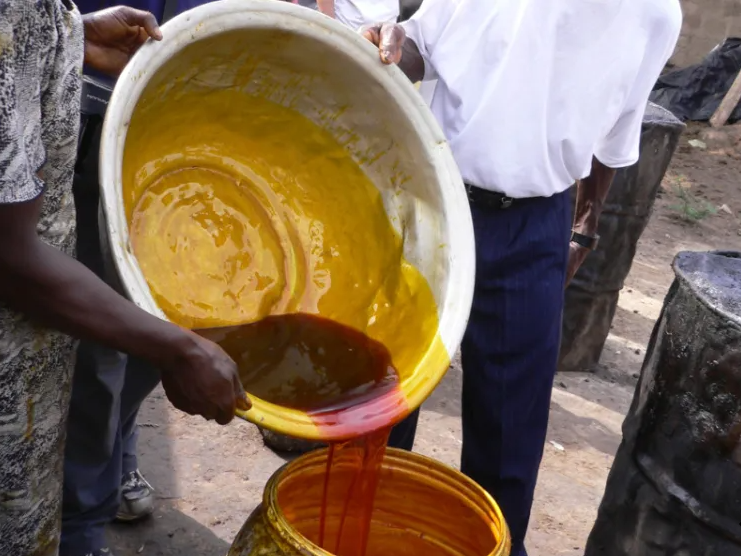
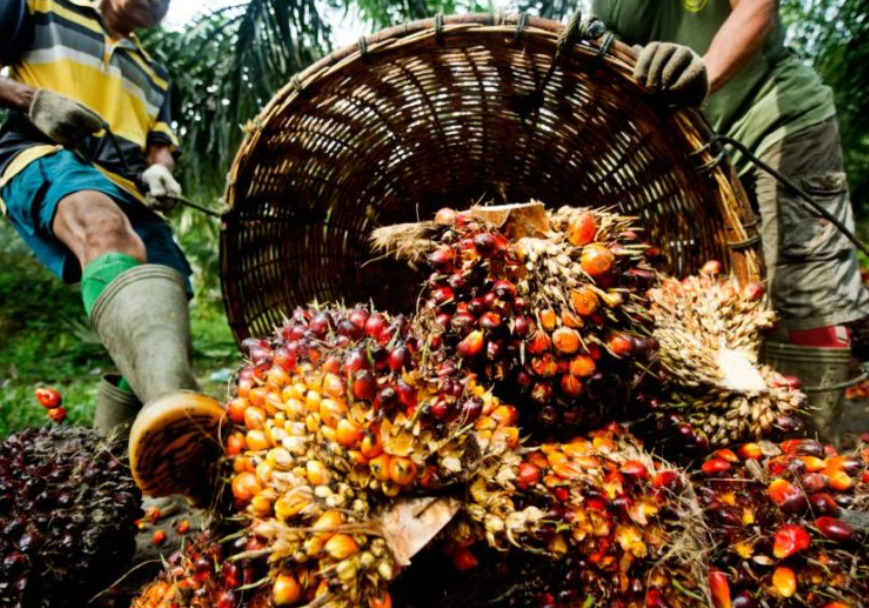
A dietitian recommends building decentralised mini-mills near Nigerian plantations. These process fruit immediately, preserving natural antioxidants and reducing refining chemicals. Some Edo State cooperatives pilot this model with premium European sales. However, local consumers have yet to benefit due to fragmented distribution.

Portion Control and Dietary Patterns Matter
Palm oil’s caloric density matches all edible oils at 120 calories per tablespoon. Malaysians use palm oil sparingly as a background ingredient in cooking. While Nigerians often use it as a primary flavour base, with multiple tablespoons per serving. Portion control is difficult where oil is cheap and food insecurity persists.
Average Nigerian adults consume about 12 kilograms of palm oil yearly. This exceeds Malaysia’s per capita use of 10 kilograms. Furthermore, Malaysia balances fats with vegetables and proteins, unlike carbohydrate-heavy Nigerian meals. A dietitian suggests measuring oil in communal pots to moderate intake because Malaysian schools teach this; Nigerian schools do not.
The Cold-Pressed Alternative: Unlocking a Missed Market
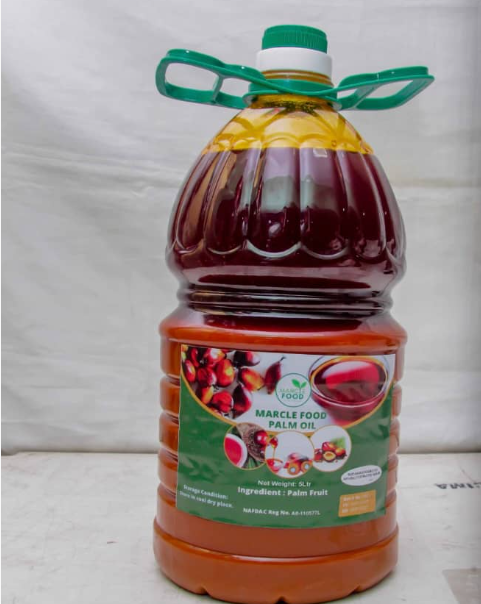
Malaysia exports cold-pressed, unfiltered red palm oil to health-conscious buyers. A 500ml bottle sells for $12 in Singapore’s premium market. However, Nigerian village processors already make similar oil but lack packaging and certification.
What if Nigeria promoted a dietitian-approved red palm oil for local use? Technical needs are simple: a screw press, a settling tank, and nitrogen-flushed bottles. Economic barriers lie in certification costs, partially subsidised by export councils. Conversely, only a few Nigerian farmers know these support programmes exist.
Malaysia’s lesson is not blind imitation but a balancing scale with nutrient protection. Nigeria’s native groves produce higher carotenoid oil than Malaysian hybrids. The gap lies in bridging village pressing with family kitchen needs.
Conclusion: Making Nigeria’s Palm Oil the Best It Can Be
The superyacht and Strait of Hormuz belong elsewhere, but palm oil lessons are local. Process fruit quickly to reduce free fatty acids and preserve antioxidants. Importantly, lowering refining temperatures to retain the red colour and nutrient content. Blend oils to improve heart health and measure portions to respect calories.
Nigeria need not become Malaysia but its own best palm-oil version. Respect village wisdom while adopting industrial food science for stability and regulation of vitamins. A status, not just trade statistics. Also, teach every cook that red oil is a nutrient, not just a colour.
A food journalist’s final note: your stew should smell of smoked fish, not rancid fats. If it smells off, the oil was likely old or overheated. The right palm oil, handled with care, makes food taste cleaner and last longer. Malaysia learned this decades ago; Nigeria must follow now.













Nigeria’s rise into the CPOPC league is opening up knowledge transfer and cross continental collaborations. We learn and we rise