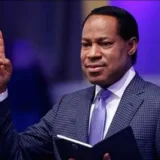


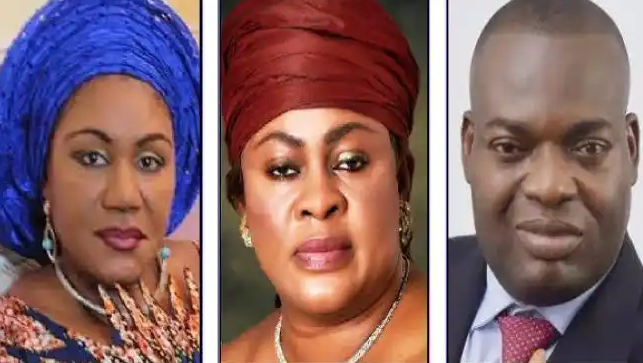
Senator Tony Nwoye (ADC, Anambra North) was unanimously appointed as the Senate Minority Whip. This appointment fills the vacancy left by Senator Osita Ngwu (PDP, Enugu West), who defected to the ruling APC.
Nwoye first won his seat in 2023 under the Labour Party (LP) platform. However, he defected to the African Democratic Congress (ADC) in late 2025. This move positioned him as a key opposition figure just before assuming the new leadership role.
During the same plenary session, three opposition senators—Osita Ngwu (PDP), Anthony Siyako Yaro (PDP), and Aliyu Wadada (SDP)—also defected to the APC. They cited internal party crises and alignment with President Bola Tinubu’s administration as reasons for their move.
With these defections, the APC increased its Senate majority to 91 members. This further consolidates the ruling party’s dominance in the upper chamber.
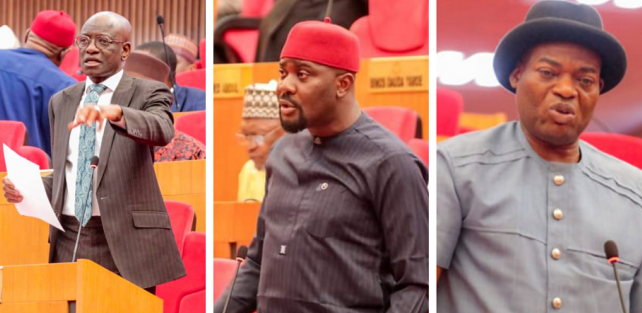
The ADC now holds nine seats, technically surpassing the PDP, which has five seats. Therefore, ADC becomes the largest opposition party in the Senate. However, PDP’s senator Abba Moro retains the senior role of Senate minority leader.
Tony Nwoye has a background as a former president of the National Association of Nigerian Students (NANS). He is also a medical doctor by training. Nwoye has a long history of student activism and political engagement. Additionally, he previously served in the House of Representatives.
Introduction
On April 22, 2026, Nigeria’s 10th Senate saw major defections and leadership changes. Senator Tony Nwoye (ADC, Anambra North) was unanimously appointed as the new Senate Minority Whip. He replaced Senator Osita Ngwu (PDP, Enugu West), who defected to the ruling APC. The plenary session, led by Senate President Godswill Akpabio, highlighted a growing political realignment. Opposition ranks are thinning while the APC strengthens its National Assembly control ahead of upcoming elections.
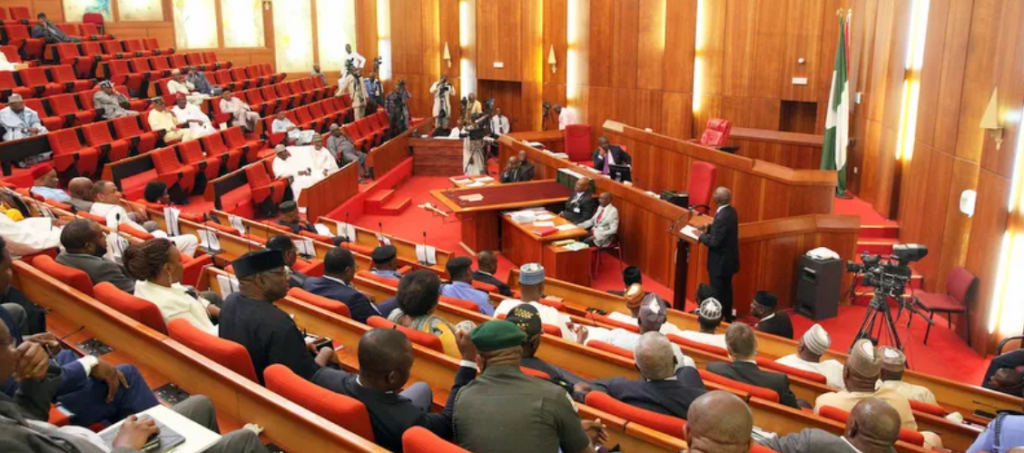
The Defections That Triggered the Change
The minority caucus leadership vacancy emerged after Senator Osita Ngwu announced his defection from PDP to APC. In a letter read by Senate President Akpabio, Ngwu cited ongoing PDP internal crises and alignment with Governor Peter Mbah and President Bola Tinubu as key reasons. He praised APC as Nigeria’s most stable political platform. Additionally, Senator Anthony Siyako Yaro of Gombe South also defected from PDP to APC, blaming persistent party divisions. Meanwhile, Senator Aliyu Wadada from Nasarawa West formally confirmed his switch from SDP to APC. Although Wadada joined APC earlier in 2025, he completed formal defection procedures during the plenary. Notably, Wadada serves as chairman of the Senate Committee on Public Accounts and is the APC’s consensus governorship candidate for Nasarawa State ahead of 2027 elections.
Senator Adams Oshiomhole of Edo North praised the lawmakers for peaceful, constitutionally compliant decisions. He emphasised that the defections signal growing confidence in the APC’s leadership and President Tinubu’s administration. Therefore, defections highlight the APC’s increasing influence and the opposition party’s challenges.
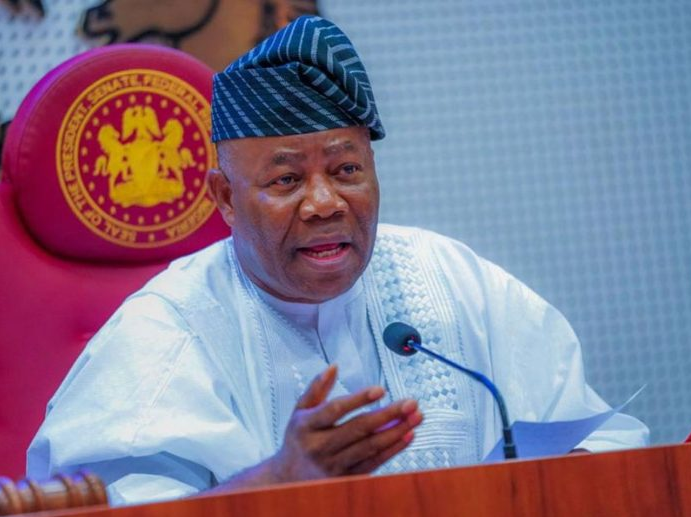
Tony Nwoye: From Student Activist to Senate Principal Officer
Senator Tony Nwoye brings a diverse background to his new role as Minority Whip. As a medical doctor, he first gained national recognition as president of the National Association of Nigerian Students (NANS). There, he earned a reputation as a strong advocate for student welfare and good governance. His political journey includes serving in the House of Representatives before winning a Senate seat in 2023. Initially elected under the Labour Party (LP), Nwoye switched to the African Democratic Congress (ADC) in late 2025. This strategic move positioned him within the opposition shortly before becoming a principal officer.
Political analysts view Nwoye’s rise as a move to stabilise opposition ranks amid increasing political pressure. Since the ADC now holds the largest opposition bloc in the Senate, Nwoye faces the task of coordinating opposition strategy. Furthermore, he must manage a shrinking caucus and ensure minority voices remain heard. Consequently, his leadership will be vital in balancing opposition influence in an APC-dominated chamber. Overall, Nwoye’s role signifies a critical effort to maintain opposition relevance in a shifting political landscape.
A New Senate Configuration: APC Now Commands 91 Seats
The recent defections have dramatically shifted the Senate’s numerical balance. The APC now holds a majority of 91 senators. This increase further strengthens the ruling party’s control over the upper chamber.
Currently, the 10th Senate has 106 sitting members out of the constitutionally mandated 109 seats. The African Democratic Congress (ADC) holds nine seats. Meanwhile, the Peoples Democratic Party (PDP) controls five seats.
Other parties include the National Democratic Congress (NDC), Accord Party, New Nigeria Peoples Party (NNPP), and All Progressives Grand Alliance (APGA), each with one senator. This diverse representation reflects ongoing political realignment. Ultimately, the APC’s dominance continues to shape legislative dynamics.
Source: The Sun Nigeria
Four Senate seats remain vacant due to recent developments. Senators Godiya Akwashiki, Okechukwu Ezea, and Barinada Mpigi passed away. Additionally, Senator Jimoh Ibrahim accepted an appointment as Nigeria’s Permanent Representative to the United Nations. Therefore, these vacancies currently reduce active Senate membership. Consequently, by-elections or appointments will fill these seats in due course.
Minority Leader vs. Minority Whip: Understanding the Distinction
A point of clarification is necessary regarding terminology in various media reports. Although Senator Tony Nwoye serves as Minority Whip, Senator Abba Moro (PDP, Benue South) remains Senate Minority Leader. Moro has held this position since the 10th Senate’s inauguration in 2023. Therefore, reports confusing these roles require correction. Understanding these distinctions helps maintain accurate information. Both roles play crucial parts in Senate leadership. Consequently, recognising their occupants avoids misinformation. The Minority Whip supports party discipline, while the Minority Leader leads the party caucus. Thus, clarity in titles ensures proper public awareness.

The two roles are distinct:
The Senate Minority Leader holds the highest opposition rank and leads the minority caucus. This leader sets the opposition’s legislative agenda and acts as the primary spokesperson for minority parties in the Senate. Meanwhile, the Senate Minority Whip, now held by Nwoye, enforces party discipline. He ensures attendance, voting conformity and coordinates daily legislative activities of minority senators. Despite ADC holding more Senate seats (nine) than PDP (five), Abba Moro from PDP remains minority leader.
Political analyst John Oloriegbe argues that the ADC should nominate a new minority leader. He questions why Moro leads when his party no longer holds the minority majority. This situation highlights tensions between party representation and leadership roles. Consequently, the Senate faces pressure to align leadership with current party strength.
What This Means for Nigeria’s Political Landscape
The events of April 22, 2026, carry significant implications for Nigeria’s democratic trajectory.
For the APC: The ruling party has further consolidated its dominance in the Senate, now controlling 91 out of 106 sitting seats. This supermajority position gives the APC significant leverage in advancing President Tinubu’s legislative agenda. This includes constitutional amendments, budget approvals, and key appointments.
For the Opposition: The shrinking ranks of opposition parties have forced a rapid restructuring of their leadership. With the PDP reduced to just five senators, the ADC—with nine members—has emerged as the de facto lead opposition party. However, PDP retains the more senior Minority Leader position. This power-sharing arrangement may lead to tensions within the minority caucus as parties jostle for influence.
For Nwoye: As the first senator from Anambra North to occupy a principal officer position in a long time. Since the era of Senator Chuba Okadigbo, Nwoye’s rise as minority whip marks a major achievement. His success benefits both his constituency and party significantly. Moreover, his background as a student activist shapes his political outlook.
Additionally, his medical doctor experience informs his legislative oversight approach. Therefore, these experiences likely influence his opposition strategy effectively. Consequently, Nwoye brings fresh energy and perspective to Senate leadership. His role symbolises a renewed commitment to active and informed opposition.
Outlook: What Comes Next
With the minority whip position now filled, attention shifts to possible further leadership changes. The minority caucus may consider replacing Abba Moro as minority leader with an ADC senator. However, such a move requires a formal petition from ADC senators to Senate leadership. So far, no petition has been submitted. Meanwhile, APC’s growing majority raises concerns about parliamentary oversight effectiveness.
The ruling party’s numerical dominance challenges opposition lawmakers’ ability to hold the executive accountable. Therefore, leaders like Nwoye and Moro must develop innovative strategies to amplify minority voices. As the 10th Senate progresses, the political realignment from April 22 reshapes the chamber’s dynamics. Consequently, Senator Tony Nwoye stands at the forefront of this evolving opposition order.
Sources for this report include The Guardian, The Sun Nigeria, Leadership, NALTF, Vanguard, Tribune Online, and Daily Trust.