
Introduction
Reports reveal that Trump’s government has proposed a 15-point plan to end the Iran war. According to media reports said on Tuesday, Pakistan is, however, acting as an intermediary to deliver the proposal to Tehran. According to Israeli broadcaster N12, the draft includes commitments from Iran not to pursue nuclear weapons and to hand over its stockpile of enriched uranium to the International Atomic Energy Agency (IAEA).
Consequently, the plan aims to de-escalate tensions and foster peace in the region. This initiative reflects a strategic approach to resolve ongoing conflicts diplomatically. It could potentially reshape US-Iran relations and regional stability. The plan’s details offer insight into the administration’s priorities and tactics.

The Peace Deal
According to the U.S. news outlet Axios, which also cited a source with knowledge of the matter, a compromise was reached from both ends. Furthermore, it reported that the U.S. special envoy Steve Witkoff told President Donald Trump that Iran had agreed on several key points, including giving up its stockpile of highly enriched uranium. However, the New York Times noted that it was still unknown how Tehran would formally react to the deal.

The Israel Factor
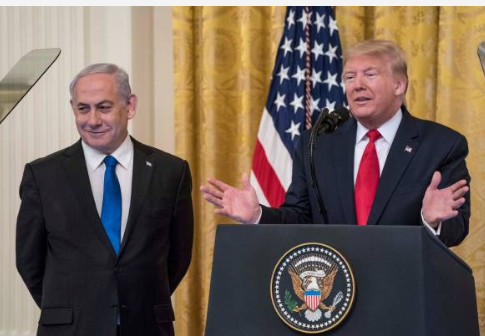
Another participant in the war, Israel, was likewise unsure of how to respond. Nonetheless, Trump has stated time and time again that Iran is keen to come to a deal. “You have no idea how badly they want to make a deal, and we’re actually talking to the right people,” he remarked. According to Trump, Vice President JD Vance and U.S. Secretary of State Marco Rubio are also participating in the talks.
Background of the Conflict
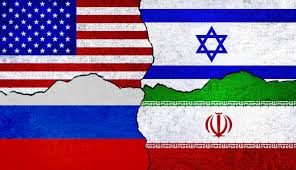
The US and Iran have experienced heightened tensions for years. Military confrontations, sanctions, and diplomatic standoffs have worsened relations. Consequently, needless conflicts have affected regional security and global economic stability. Both sides have shown reluctance to engage in direct peace talks. The proposed plan seeks to break this deadlock effectively.
Overview of the 15-Point Plan
The 15-point plan outlines comprehensive steps addressing military, economic, and diplomatic issues. It includes ceasefire agreements, arms control measures, and sanctions relief. Thus, the plan encourages dialogue between conflicting parties to build trust. Additionally, it emphasises regional cooperation and conflict prevention mechanisms. Importantly, this multifaceted approach aims for sustainable peace.

Key Military Proposals
The plan calls for immediate cessation of hostilities from both sides. It suggests withdrawal of certain military forces from hotspots. Furthermore, it promotes mutual inspections to ensure compliance with arms limitations. These measures aim to reduce the risk of accidental or intentional escalations. Moreover, military de-escalation forms a crucial pillar of the peace strategy.
Economic and Sanctions Measures
Economic incentives play a significant role in the proposed plan. The government proposes phased sanctions relief linked to Iran’s compliance. It also encourages investment in Iran’s civilian sectors under international supervision. These steps aim to revive Iran’s economy while ensuring non-proliferation commitments. Economic stability could support long-term peace and cooperation.
Diplomatic Initiatives
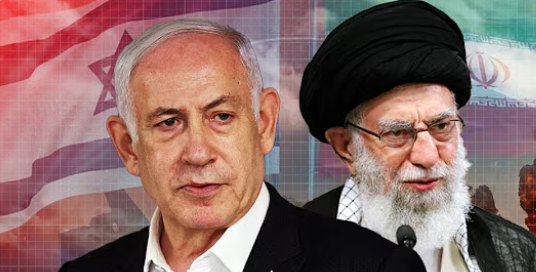
The plan stresses the importance of renewed diplomatic engagement. It calls for multilateral talks involving regional and global stakeholders. Confidence-building measures, such as prisoner exchanges, are also included. The initiative seeks to create an environment conducive to constructive dialogue. Diplomacy remains central to resolving deep-rooted conflicts.
Role of Regional Actors
The plan recognises the influence of neighbouring countries in the conflict dynamics. It proposes involving regional powers in peace negotiations and security frameworks. Cooperation among Middle Eastern states could address wider security concerns. Regional buy-in is critical for the plan’s success and enforcement. This inclusive approach aims to create a stable regional order.
International Community Support
The plan encourages support from international organisations like the United Nations. It calls for monitoring and verification mechanisms to ensure transparency. Global backing could pressure conflicting parties to commit to peace. Moreover, international mediation can facilitate communication and conflict resolution. Broad support enhances the plan’s legitimacy and effectiveness.
Challenges and Risks
Despite its promise, the plan faces significant challenges as distrust between the US and Iran remains deep-rooted. Furthermore, political opposition within both countries could hinder implementation as external actors with vested interests might disrupt peace efforts. Additionally, verification and enforcement of agreements require strong international cooperation. These risks require careful management.
Potential Benefits
If successful, the plan could end years of violence and instability. Peace would improve security for millions in the Middle East. Economic benefits could flow from renewed trade and investment. It could also pave the way for broader regional cooperation. Ultimately, the plan offers hope for a safer, more prosperous future.

Conclusion
Trump’s 15-point plan represents a bold attempt to end the Iran war. It combines military, economic, and diplomatic solutions to address complex issues. While challenges remain, the plan’s comprehensive nature offers a viable path forward. Stakeholders must commit to dialogue and cooperation to realise lasting peace. The world watches closely as this new initiative unfolds.