

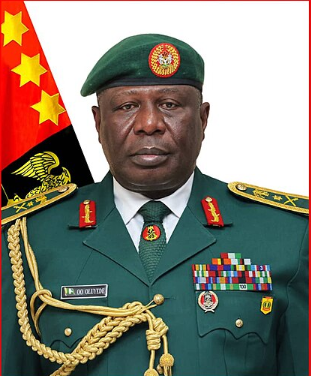
Terrorist attacks often rise during Ramadan, as the Defence Minister Christopher Musa, has revealed. According to Musa, Nigeria’s Minister of Defence, terrorists frequently step up their attacks during the Islamic fasting month of Ramadan. This is because they think that dying in combat ensures their admittance into heaven.
Shortly after a private security meeting with President Bola Tinubu at the Presidential Villa in Abuja on Thursday. Musa made the statement to reporters and acknowledged that top security officials convened for the nearly two-hour conference. This is amid mounting worries about fresh rebel strikes throughout the nation, especially in Nigeria’s northeast.
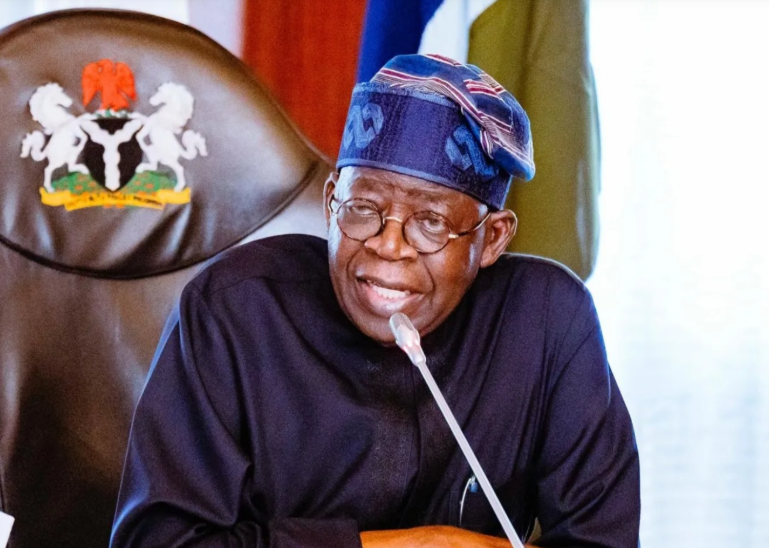
Ramadan:
A Period Exploited by Terrorists
Ramadan is a sacred month for Muslims worldwide, and Nigeria also has a significant number of Muslim faithful cut across the country. Many use it for reflection, prayer, and community. Unfortunately, terrorists exploit this period to intensify attacks. Consequently, seeing martyrdom during Ramadan as a direct path to paradise.
“As usual with the terrorists during the Ramadan period, for them, they feel when they die, they are going to heaven. As such, they are ready to commit any offence or to get killed because they feel they have a reward. Hence, we have adjusted our strategies to beat them to it.” Christopher Musa said.
The Role of Extremist Ideology
Extremists twist religious teachings to justify violence, and unfortunately, the Islamic faith shares a huge part of this violence. They spread the false religious ideology that death in holy war ensures eternal reward. This dangerous narrative attracts vulnerable individuals. It also strengthens terrorist groups’ recruitment efforts to woo weak-minded fellows.
Impact on Security Measures
As a matter of fact, the governments must heighten security during Ramadan to forestall any eventuality. Hence, authorities should increase surveillance and intelligence operations around and within the major cities. They also work closely with local communities to prevent attacks. This proactive approach aims to disrupt planned violence early.
Defence Minister’s Insights on Terrorist Behavior
The Defence Minister highlighted the psychological tactics used by terrorists, which are prevalent globally. They exploit religious sentiments to motivate followers. Such tactics make counterterrorism challenging but not impossible. Conversely, awareness campaigns can reduce the influence of extremist propaganda anywhere in the world and, most importantly, in Nigeria.
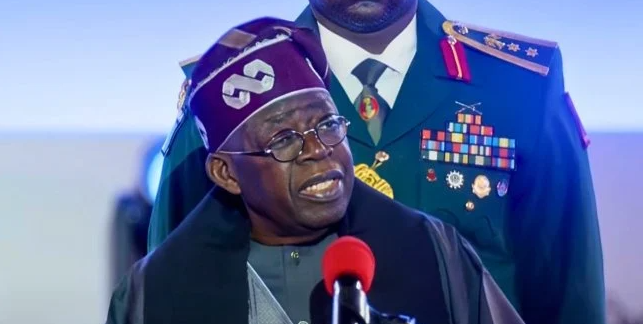
The minister insisted that Nigerian security forces had recently made operational gains against insurgents, including killing key commanders and taking over their operational locations.
“You can see in the past few days, we’ve taken over those locations, we’ve killed their commanders, we’ve taken over their assets, and we’ll continue to do more. And I assure you, Mr President has approved so many things that are coming on our line, and we’re working together as a team,” he said.
“You can see all of the security forces are here to assure Nigerians and to assure Mr President that we’re on track and we’ll succeed.”
Community Involvement in Counterterrorism
Communities play a critical role in preventing radicalisation and its effects on their people, especially the youths. Religious leaders can help clarify and shape the minds of a community through the right teachings of Ramadan. Public education promotes peace and discourages violence. When communities unite, they create a strong barrier against terrorism.
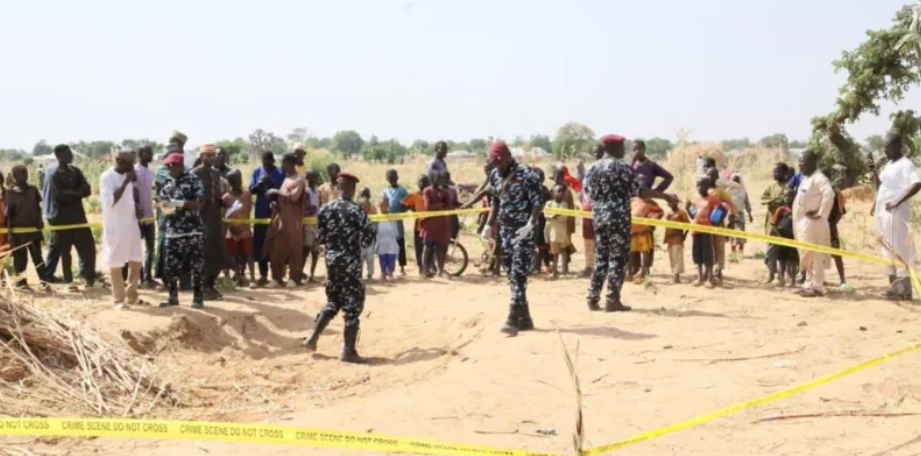
International Cooperation Strengthens Security
Terrorism crosses borders, requiring global collaboration; otherwise, any individual nation’s action will be counterproductive. In other words, countries now share intelligence and coordinate military efforts to achieve their objective of flushing out terrorists from their domains. Furthermore, joint operations target terrorist networks, especially during sensitive periods like Ramadan. Thus, this cooperation enhances overall security and stability.
Conclusion:
Thursday’s meeting marked the first time Tinubu met with the country’s service chiefs. Moreover, this came with the appointment of Tunji Disu as the new Inspector-General of Police.
Furthermore, the high-level security briefing came against the backdrop of escalating violence in Nigeria’s northeast. This is because of the rise of insurgent groups such as Boko Haram and the Islamic State West Africa Province. However, the military have rebelled against the militants, as they have recently stepped up attacks on military formations and civilian communities.
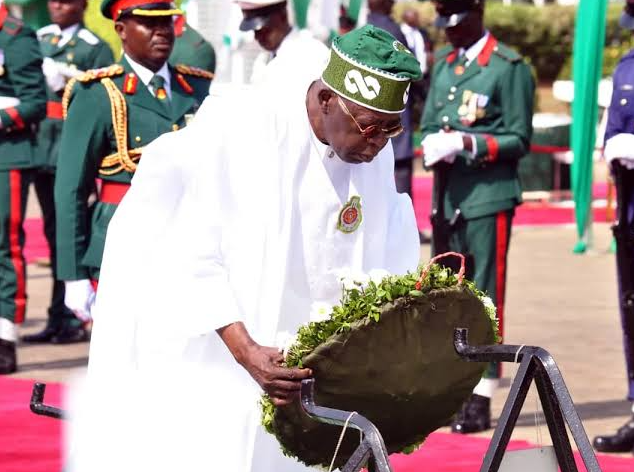
Combating Terrorism Requires Vigilance and Unity
Terrorists increasingly attack during Ramadan, driven by misguided beliefs. Governments and communities must work together to counter this threat. Education, vigilance, and cooperation form the strongest defence. Together, peace and security can prevail during holy times.