
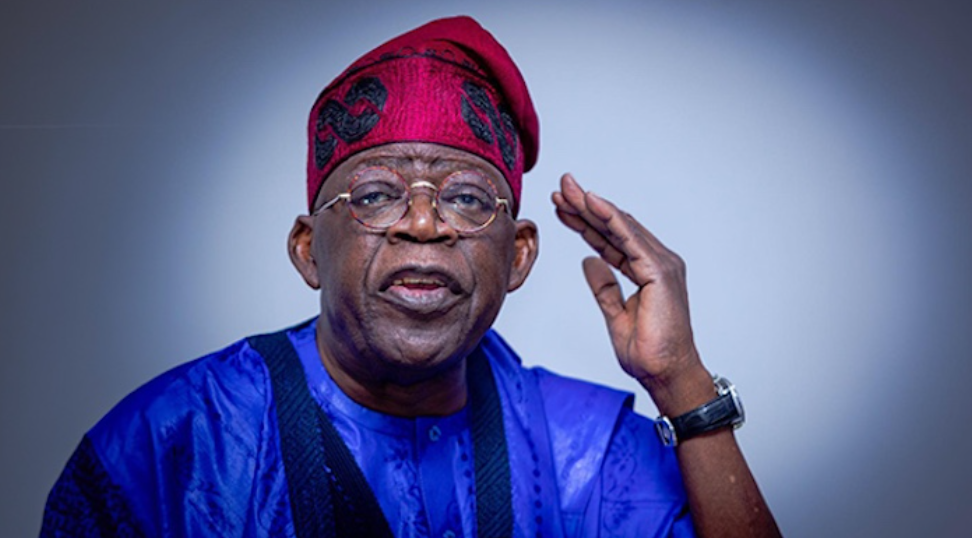
President Bola Ahmed Tinubu has rejected claims that he is to blame for opposition party defections to the ruling All Progressives Congress (APC). Thus, he argued that he neither pressured nor compelled anyone to abandon their political platforms.
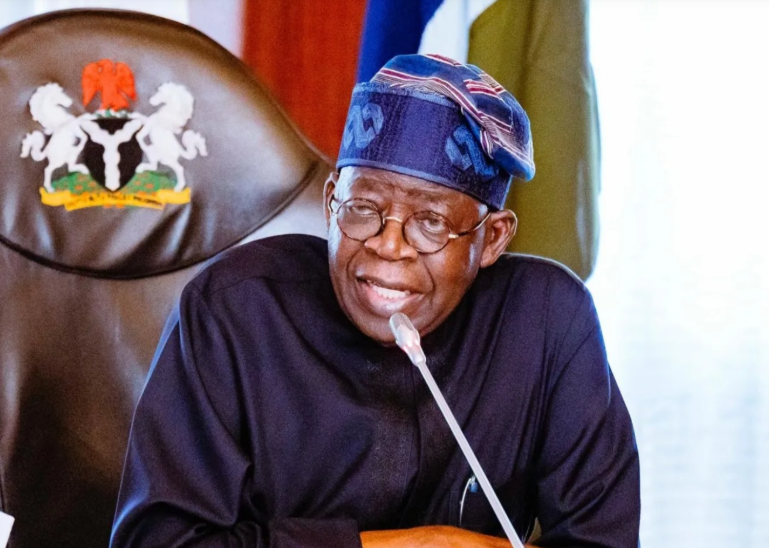
He revealed this on Wednesday night at the Presidential Villa in Abuja during an ecumenical breaking of the fast with Senate members.
Strong Rejection from Tinubu
Tinubu faced these accusations during a recent interview. Furthermore, he expressed shock and disappointment over the claims. He made it clear that anti-democratic habits do not align with his political practices. Instead, he advocates peaceful competition and democratic values.
Context of the Allegations
Tinubu maintained that he had nothing to do with undermining the opposition, but he acknowledged that critics had a right to their opinions.
He insisted that he never mistreated any political organisation by using force or abusing his power. He said that those who made the decision to defect did so voluntarily, comparing it to abandoning a sinking ship.
The President emphasised the importance of unity while pointing out that Nigeria is dealing with major security issues, like banditry and terrorism.
Tinubu’s Political Record Tinubu has a long history in Nigerian politics. He served as Lagos State governor and now exerts influence nationally. Throughout his career, he has promoted economic reforms and security improvements. His supporters view him as a stabilising force.
Impact of the Allegations
Instead of waging political war, he said, the nation must unite in accordance with the founding fathers’ vision to fortify constitutional democracy.
“Critics need to speak up. I didn’t have a gun when they accused me of killing the opposition. When I had the power, I could have granted myself a licence.
United We Stand
According to President Bola Tinubu, “The terrorism and banditry that we have encountered during this difficult time in our nation are wreaking havoc on us. And in order to establish a constitutional democracy, we ought to band together and join in the manner that our forebears envisioned.” We shouldn’t fight, he said. The fact that we are cooperating is a plus.
The Way Forward
In an effort to address the country’s security problem, Tinubu also urged the National Assembly to start the process of modifying the Constitution to permit the creation of state police.
The President warned that immediate constitutional changes were required to safeguard forests from criminal elements and shield children from fear, characterising Nigeria as being severely challenged by terrorism, banditry, and insurgency.
In order to improve national security, he asked lawmakers to start thinking about ways to change the Constitution to include state police.
Political Rivalries and Media Role
Political rivalries in Nigeria often involve aggressive tactics. Media outlets sometimes amplify these conflicts. This situation shows how rumours can escalate quickly. Observers recommend cautious consumption of politically charged news.
Conclusion
Tinubu stands firm against all political parties’ destabilisation allegations levied against him. His message emphasises peace, fairness, and respect for the law. The upcoming months will test Nigeria’s political maturity. Citizens and officials must prioritise evidence and justice above all.