
Introduction to the Allegation
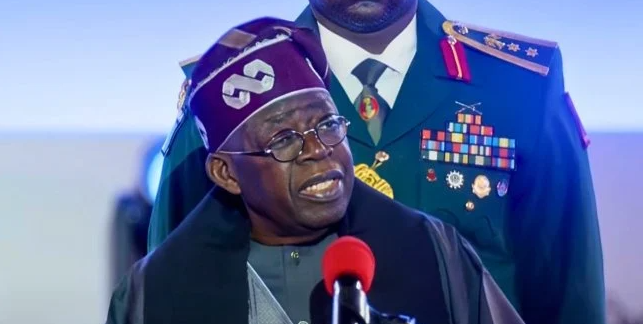
Recently, Nigeria faced a shocking allegation about a suspected coup aimed at toppling President Bola Tinubu’s government. This allegation has stirred significant concern across the nation and beyond. The news spread rapidly, prompting intense scrutiny from political analysts, security agencies, and the public. Understanding this situation requires examining the details, implications, and government response.
Background of President Bola Tinubu’s Administration
President Bola Tinubu assumed office amid high expectations for economic reforms and security improvements. His government focuses on tackling corruption, boosting infrastructure, and stabilising the nation’s economy. However, political tensions remain high in Nigeria due to diverse interests and historical instability. These factors create a complex environment where such allegations can have far-reaching effects.
Details of the Suspected Coup Allegation
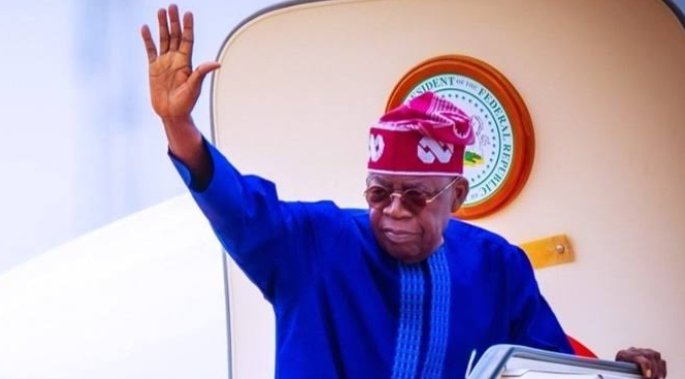
Authorities reported intercepting plans allegedly designed to destabilise Tinubu’s administration. Sources indicate that some military officers, about 16 of them across the armed forces with some political figures, might have conspired to execute the coup. The suspected plot involved seizing key government institutions and disrupting public order. Security agencies moved swiftly to investigate and prevent any possible threat.
Government’s Immediate Response
The government condemned the suspected coup attempt outright and assured citizens of their safety. President Tinubu vowed to uphold democracy and pursue justice against those involved. Security forces increased vigilance and conducted thorough operations to identify conspirators. Additionally, the government called for national unity to combat threats against democratic governance.
Defense Headquarters’ Findings
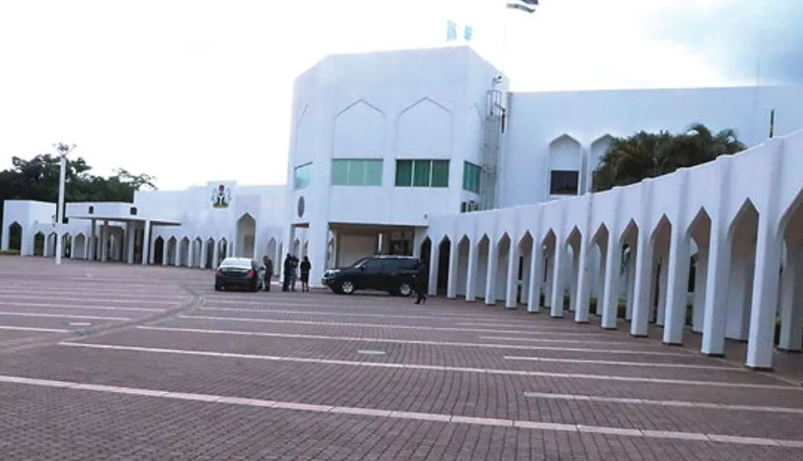
The highest personnel within the nation’s security architecture have come out with a detailed investigation report. Furthermore, it explained that their findings showed how they infiltrated the Aso Rock Villa (the president’s official residence) to execute their plans.
“The findings have identified a number of officers with allegations of plotting to overthrow the government, which is inconsistent with the ethics, values, and professional standards required of members of the Armed Forces of Nigeria,” Uba said.
“Accordingly, those with cases to answer will be formally arraigned before an appropriate military judicial panel to face trial. This ensures accountability while upholding the principles of fairness and due process,” he said.
Villa Security Breach
Findings have shown there was a palpable Presidential Villa security breach, according to security and military sources.
“The coup plotters actually compromised the Villa, entered the Villa, some of them military officers. They have accessed the Villa and its security installations and vulnerabilities,” a Presidential Villa security source said.
Julius Berger Staff Involvement
Based on the findings, investigators were rudely shocked at the wave of people seemingly involved in the plot. Hence, the probe of suspected Julius Berger staff, the construction firm responsible for maintaining the Villa, became imperative. In fact, they were alleged to have been compromised by providing the plotters access to sensitive areas of the presidential complex without authorisation from competent sources.
Moreover, the Presidential Villa, often referred to as Aso Rock, is one of the most secure facilities in the country, guarded by elite military units, intelligence operatives, and private contractors.
President’s Non-Interference with Investigation
In October 2025, intelligence reports reportedly flagged unusual activities around the Villa, prompting closer monitoring by security agencies.
Asked whether President Tinubu would intervene, a security source said the President would not interfere with the military justice process.
“No, the President will not stop the military from acting according to its rules and the law of the country.
Coup Report Officially Submitted
According to a recent press release from the Defence Investigation Agency (DIA), the report has been officially submitted to Mr President.
“The report is already with the President, confirming there was indeed a planned coup, and the military will carry out its action,” the source said.
Furthermore, it was learnt that authorities on purpose delayed action to ensure thorough investigations were carried out. Also, that they find and seal possible security loopholes and equally identify all those involved.
“The government and the military wanted to ensure thorough investigations were conducted, all loopholes blocked, and those involved trapped before blowing the lid,” he said.
The source added that “The President has expressed full confidence in the military to execute justice according to the law.”
To prevent any further breach, officials explained that the security agencies were reviewing internal protocols, particularly regarding contractors and staff with access to critical areas.
Impact on National Security
This alleged coup attempt highlights vulnerabilities within Nigeria’s security framework. Experts argue that continuous reforms are necessary to strengthen intelligence and military discipline. The incident underscores the importance of transparent leadership and robust institutions. Moreover, it signals that Nigeria must remain vigilant against internal threats.
Political Reactions and Public Sentiment
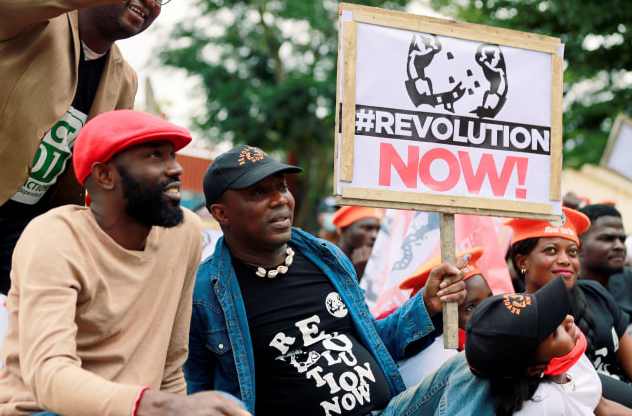
Political parties expressed mixed reactions to the coup allegation. Some opposition groups denounced the plot, while others questioned the government’s narrative. Public opinion remains divided, with many Nigerians demanding clarity and accountability. Social media platforms became hotbeds for discussions, reflecting widespread anxiety and calls for stability.
International Perspective and Support
The international community closely monitors Nigeria’s political stability. Key allies expressed support for President Tinubu’s government and condemned any unconstitutional actions. Regional organisations emphasised the need for peaceful resolution and respect for democratic processes. This global backing reinforces Nigeria’s commitment to democracy.
Lessons Learned and Future Precautions
This situation teaches Nigeria the critical need for enhanced security strategies. Furthermore, strengthening military loyalty and intelligence gathering must remain priorities. Moreover, Political leaders should promote dialogue and reduce tensions to avoid escalation. Citizens also play a vital role in supporting democratic institutions through vigilance and participation.
Conclusion
Safeguarding Democracy in Nigeria
The suspected coup allegation challenges Nigeria’s democratic progress under President Bola Tinubu. However, prompt government action and international support provide hope for stability. Moving forward, Nigeria must bolster security measures and foster political inclusiveness. Only through unity and resilience can the nation safeguard its democracy and continue on a path of development.