
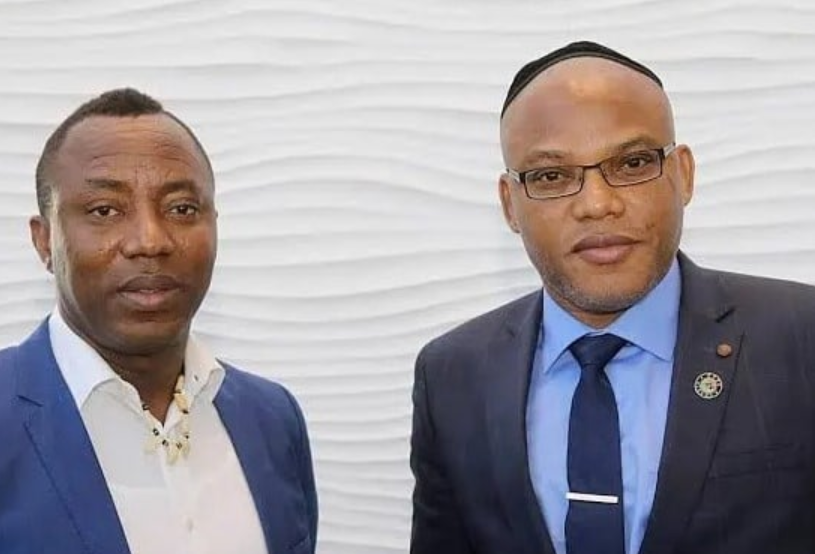
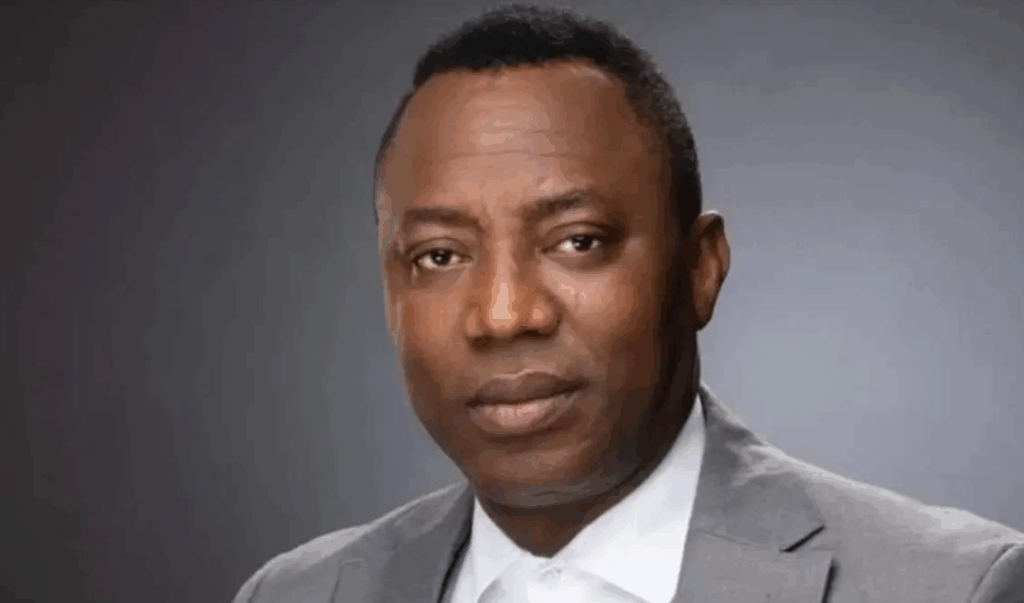
Recently, Nigerian authorities granted bail to Omoyele Sowore and several protesters linked to Nnamdi Kanu. This development marks a significant shift in Nigeria’s political protest landscape in 2025. The decision comes after sustained public pressure, legal battles, and increasing calls for respect for civil liberties. Many Nigerians view this bail release as a victory for justice and democratic principles.
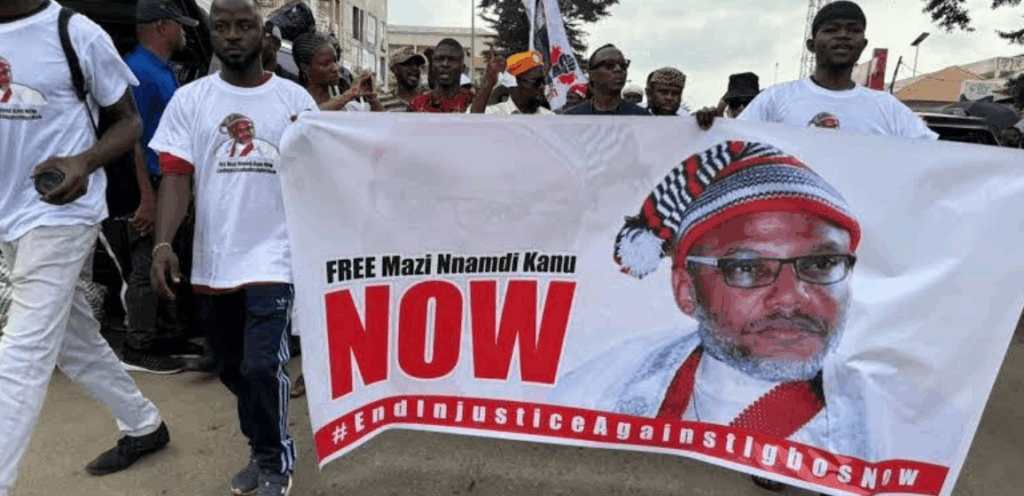
Magistrate’s Court Grants Bail to Sowore and Others in Abuja
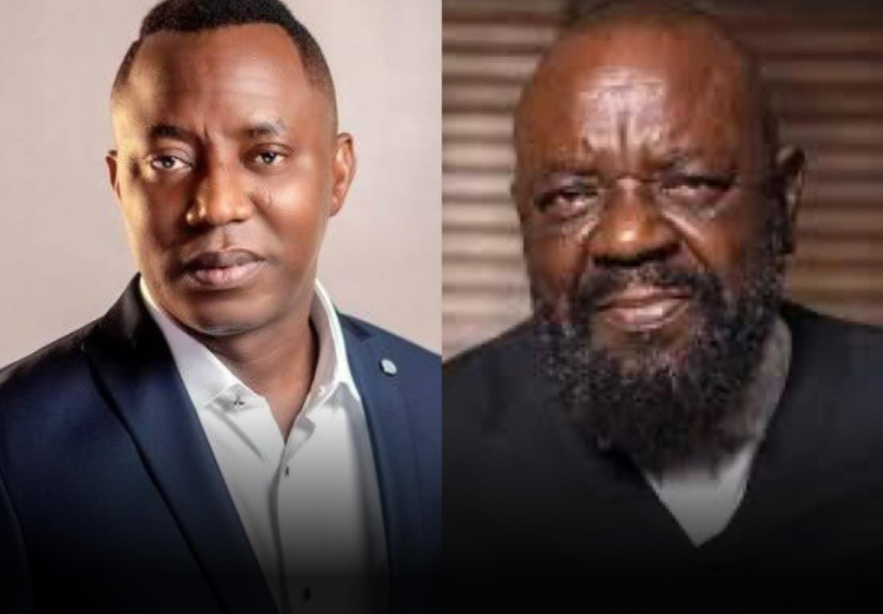
A Magistrate’s Court in Kuje, Abuja, granted bail to Omoyele Sowore and twelve others on Friday. The court set bail at ₦500,000 each with two sureties in the same amount. The defendants include Aloy Ejimakor, a legal team member for IPOB leader Nnamdi Kanu, and Prince Emmanuel Kanu, Nnamdi Kanu’s brother.
Charges Against the Defendants
The thirteen defendants faced charges of inciting public disturbance and breach of peace. These charges followed the #FreeNnamdiKanuNow protest held on October 20 in Abuja. Authorities arrested them for their roles in the protest activities.

Details of the Arrests
Ejimakor, Emmanuel Kanu, and ten others were arrested during the protest event. They were remanded at the Kuje Correctional Facility pending court proceedings. Omoyele Sowore was arrested later, on October 23, at the Federal High Court premises in Abuja. Sowore had gone there to show solidarity during Nnamdi Kanu’s terrorism trial.
Background of the Protesters’ Detention
Sowore and the other protesters faced detention because of their involvement in pro-Biafra demonstrations. These protests aimed to raise awareness about the Indigenous People of Biafra’s (IPOB) cause for self-determination. The arrests sparked nationwide debates about the limits of free speech and the right to peaceful assembly. Human rights organisations both within Nigeria and internationally condemned the detentions and demanded their immediate release. The government initially justified the arrests on grounds of national security and public order.

Court Proceedings Leading to Bail
Following their arrest, Sowore and the others spent considerable time in detention without trial. Legal teams filed multiple petitions and appeals challenging the legality of the detentions. Courts eventually ruled in favour of the protesters after reviewing the evidence and legal arguments. The bail rulings emphasised the importance of upholding constitutional rights even during periods of unrest. Judges stressed that while security concerns exist, they must not override fundamental freedoms.
Conditions of the Bail Release
The court imposed strict conditions on Sowore and the other protesters’ bail to maintain peace. Firstly, they must report regularly to designated law enforcement agencies. Secondly, they must refrain from organising or participating in any protests that could incite violence or disrupt public order. Thirdly, attendance at all upcoming court hearings related to their cases is mandatory. These conditions aim to balance their right to bail with the need for societal stability. The court clarified that any violation might lead to bail revocation and immediate re-arrest.

Public and Activist Reactions to the Bail
The bail release triggered a wave of reactions across Nigeria’s diverse population and activist groups. Supporters hailed it as a triumph for democracy and an important check on government power. Many saw the bail as a positive step toward respecting human rights and reducing political tensions. Meanwhile, critics expressed concerns that the bail might embolden further protests, potentially causing unrest. Despite differing opinions, most agree that peaceful dialogue remains the best path forward. Activists urged both protesters and the government to engage in constructive conversations to resolve underlying issues.
Impact on Nigeria’s Political Climate
The bail decision may help ease the current political tension in Nigeria. It shows the judiciary’s crucial role in protecting citizens’ rights while addressing security challenges. The ruling might encourage more open discussions about Nigeria’s political and ethnic conflicts. Additionally, it signals to the government the need to address grievances through dialogue rather than force. However, the situation remains delicate, and all stakeholders must exercise caution. Sustainable peace requires mutual respect, understanding, and adherence to the rule of law.
Future Prospects for Protest Movements
With the protesters now out on bail, questions about the future of pro-Biafra activism arise. Some protesters may choose to continue their advocacy through lawful, peaceful means. Others might adopt new strategies that involve community engagement and political lobbying. The government’s response to these movements will significantly influence Nigeria’s stability. Authorities must avoid heavy-handed tactics that could reignite violence. Instead, they should create platforms for inclusive dialogue that recognises diverse voices within the country.
Conclusion
The bail release of Sowore and other Nnamdi Kanu protesters marks a pivotal moment in Nigeria’s political history. It highlights the ongoing struggle between state authority and citizens’ rights. This event underscores the importance of justice, peaceful protest, and open dialogue in resolving conflicts. Moving forward, Nigeria faces an opportunity to build a more inclusive and democratic society. Both the government and activists must commit to peace, respect for the law, and collaboration to foster national unity.