
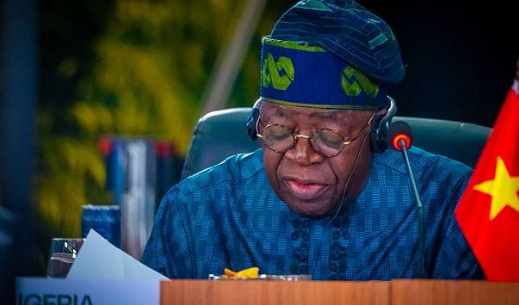
In October 2025, the Nigerian Armed Forces detained sixteen senior military officers on allegations of attempting to overthrow President Bola Tinubu’s government. The military initially described the arrests as disciplinary actions related to “failure in promotion examinations” and “career stagnation”. However, sources revealed that the officers were accused of plotting a coup d’état. The Director of Defence Information, Brigadier General Tukur Gusau, stated that the arrests followed a “routine military exercise”, citing “indiscipline and breach of service regulations”. Intelligence gathered by the Defence Intelligence Agency (DIA) reportedly uncovered plans led by a Brigadier General to seize power from “selfish politicians”.
The Arrest
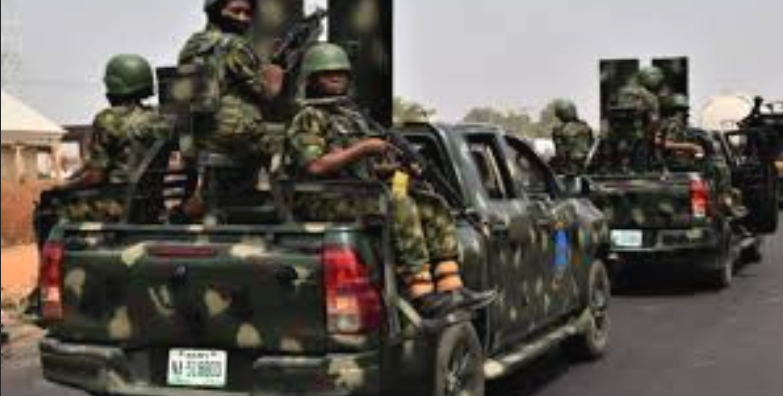
The military authorities, based on credible evidence, consequently arrested officers, ranging from captains to senior commanders. They were, however, arrested at various locations across the country to forestall any anticipated action from them. Undoubtedly, it was learnt that the October 1 Independence Day parade was cancelled after authorities discovered their evil plans. The alleged coupists had planned to strike during the ceremony, allegedly targeting the president and other top officials. Consequently, the alleged officers are currently being held at the DIA facility in Abuja. Nigeria has experienced five successful coups since 1960, and recent reports of corruption and mismanagement within the military have fuelled it. In addition, the height of the corruption has led to frustration and low morale among some ranks.
Background of the Arrests
The Nigerian military’s announcement of the arrests highlighted issues of indiscipline and breaches of service regulations. Brigadier General Gusau emphasised that the conduct of the officers fell short of the standards expected within the military. Preliminary investigations revealed that some officers had longstanding grievances linked to career stagnation, including repeated failures in promotion examinations and other service-related issues. Several of the arrested officers were already under investigation for previous offenses, indicating a pattern of misconduct. The military’s swift response underscores its commitment to maintaining discipline and professionalism within its ranks.
Details of the Alleged Coup Plot
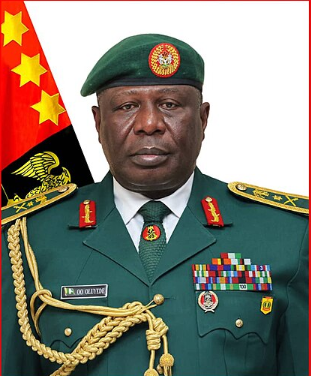
Intelligence reports from the Defence Intelligence Agency (DIA) uncovered a planned coup d’état led by a Brigadier General. The plot aimed to depose President Tinubu and was described as an attempt to remove “selfish politicians” from power. The conspirators intended to strike during the October 1 Independence Day parade, a significant national event. Authorities acted promptly to prevent the plot, leading to the cancellation of the parade and the arrest of the involved officers. The swift intervention highlights the military’s vigilance in safeguarding the nation’s democratic institutions.
Implications for Nigeria’s Military and Political Landscape
The arrest of these senior military officers raises concerns about the stability and cohesion of Nigeria’s armed forces. The alleged coup plot reflects underlying issues within the military, including dissatisfaction with leadership and career progression. The incident also underscores the challenges faced by President Tinubu’s administration in maintaining control over the military. The government’s response to the crisis will be crucial in determining the future trajectory of Nigeria’s political stability. Addressing the root causes of discontent within the military is essential to prevent similar incidents in the future.
Historical Context of Military Coups in Nigeria
Nigeria has a history of military coups, with five successful ones since gaining independence in 1960. The most recent occurred in 1999, leading to the establishment of a civilian government. The recurrence of coup attempts highlights the persistent challenges in Nigeria’s political landscape. Factors such as corruption, mismanagement, and economic instability contribute to the military’s dissatisfaction and willingness to intervene. The international community closely monitors these developments, emphasising the need for democratic consolidation and good governance in Nigeria.
Conclusion
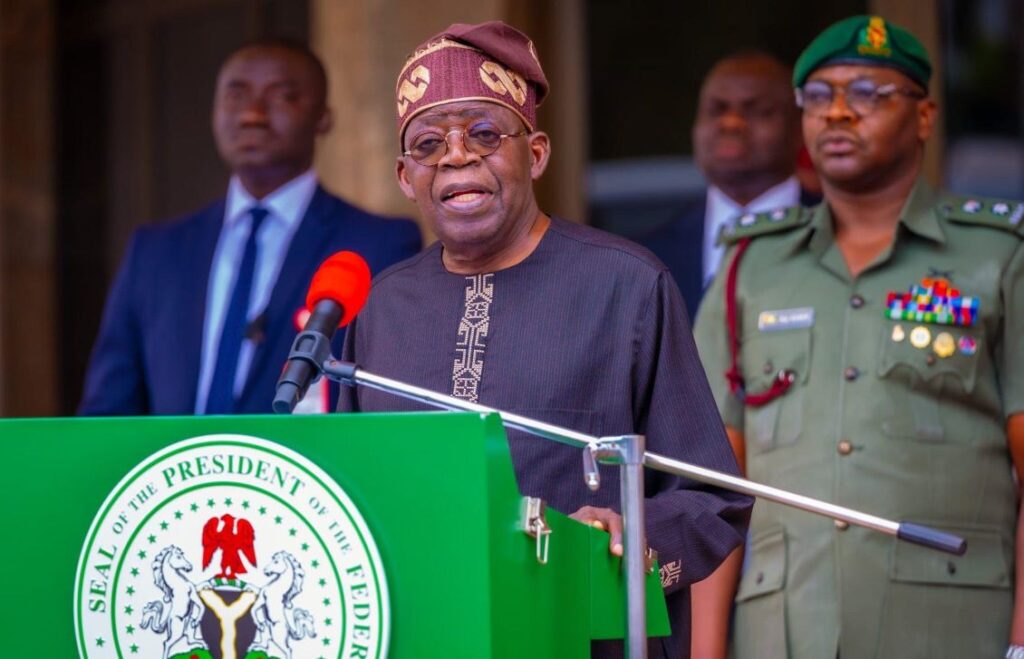
The arrest of sixteen senior military officers over an alleged coup plot against President Tinubu’s government is a significant event in Nigeria’s recent history. It reflects deep-seated issues within the military and raises questions about the stability of the current administration. The government’s handling of the situation will be pivotal in shaping Nigeria’s political future. Ensuring accountability, addressing grievances within the military, and reinforcing democratic institutions are essential steps toward maintaining national stability. The incident serves as a reminder of the delicate balance between civilian governance and military influence in Nigeria