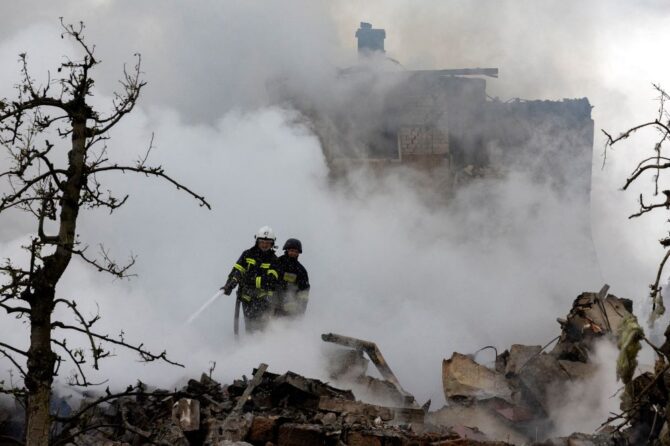

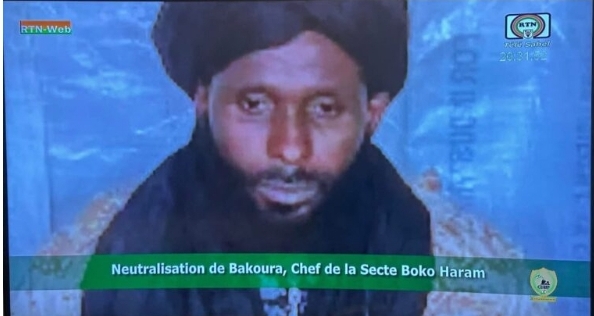
The Government of Niger Republic announces the killing of a senior Boko Haram leader, Ibrahim Bakoura, also known as Abu Oumaima, during a military operation in the country’s Diffa region. The operation, carried out on August 15, involves a series of precision airstrikes targeting Boko Haram positions in Korongol, Kournawa, and Shilawa. The Nigerien Armed Forces (FAN) state that the strikes neutralise dozens of fighters, destroy logistical supplies, and eliminate high-ranking commanders, including Bakoura. The FAN describes Bakoura as a central figure in the faction’s hierarchy. Furthermore, the successful operation reaffirms Niger’s commitment to defending its sovereignty and securing its territory against persistent terrorist threats.
Background of the Operation
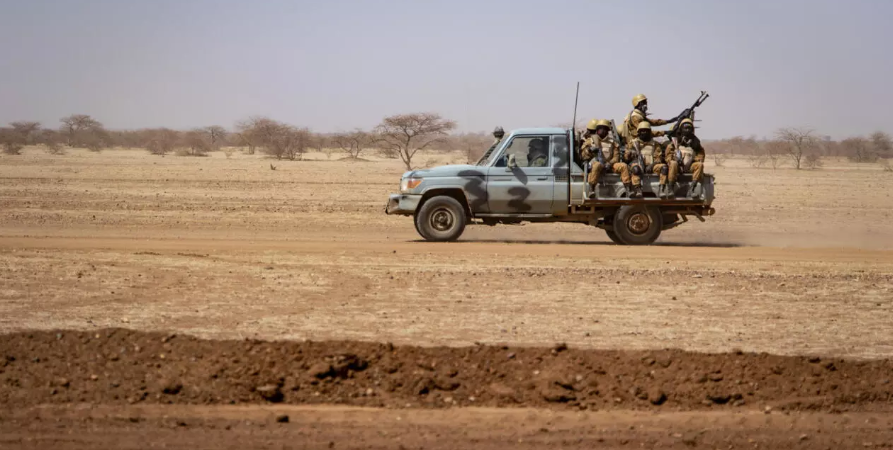
The FAN conducts the operation in the Diffa region to dismantle Boko Haram’s stronghold in the area. The region has been plagued by terrorist activities, and the Nigerien authorities work tirelessly to restore peace and stability. The FAN carries out the operation with precision and accuracy, minimising collateral damage and ensuring the safety of civilians. The FAN focuses its efforts on disrupting Boko Haram’s supply lines and communication networks. Additionally, the operation demonstrates the military’s capability to track and eliminate high-value targets.
Impact of the Operation
The killing of Bakoura represents a significant blow to Boko Haram’s operations in the region. Bakoura is identified as one of the key actors involved in attempts to destabilise the country. His death likely disrupts the group’s command structure and creates internal power struggles. Security experts believe that eliminating high-ranking commanders like Bakoura weakens Boko Haram’s ability to launch effective attacks. Furthermore, the operation serves as a deterrent to other terrorist groups operating in the region.
Regional Cooperation
Niger remains a frontline state in the regional fight against terrorism. Despite withdrawing from the Multinational Joint Task Force (MNJTF), Niger continues to collaborate with neighbouring countries, including Nigeria, Chad, and Cameroon, under bilateral engagements. Niger strengthens its security architecture and enhances its military capabilities to counter the terrorist threat. The successful operation in the Diffa region demonstrates the effectiveness of Niger’s military strategy. Moreover, regional cooperation is essential in the fight against terrorism, and Niger’s efforts are crucial in maintaining stability in the Sahel region.
Nigeria’s Military
The killing of Bakoura on Nigerien soil is a consequence of the recent heavy airstrikes by the Nigerian military. Furthermore, the Nigerian airstrikes destroyed their camps, which made some flee to the neighbouring countries. However, the good news of his death will not stop the Nigerian military from flushing out the remnants in the country.
National Security Adviser
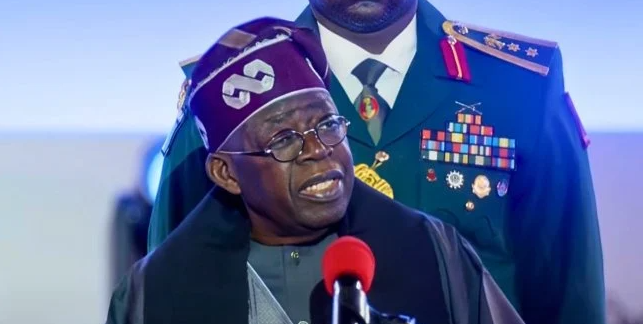
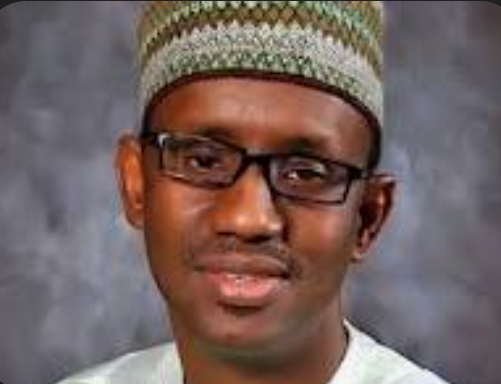
Mallam Nuhu Ribadu, the National Security Adviser (NSA), has repeatedly affirmed the position of President Tinubu on security. In summary, the present administration’s priority is to guarantee security to all Nigerians. Likewise, guaranteeing the safety and security of all and sundry via collaborations with neighbouring countries.
In comparison to the previous administration, the scorecard on tackling and fighting insurgencies in all ramifications. Hence, tackling any form of criminality is key to this administration’s effort to reposition Nigeria.
Conclusion
The killing of Bakoura is a significant development in the fight against terrorism in the Sahel region. The operation demonstrates Niger’s commitment to defending its sovereignty and securing its territory. The success of the operation depends on the Nigerien military’s ability to sustain its efforts and prevent the resurgence of terrorist groups. As the region continues to face security challenges, the international community must support Niger and other frontline states in their efforts to combat terrorism. By working together, we can create a safer and more stable environment for the people of the Sahel region.