
Political Intrigues and Horse Trading Shake the Foundations
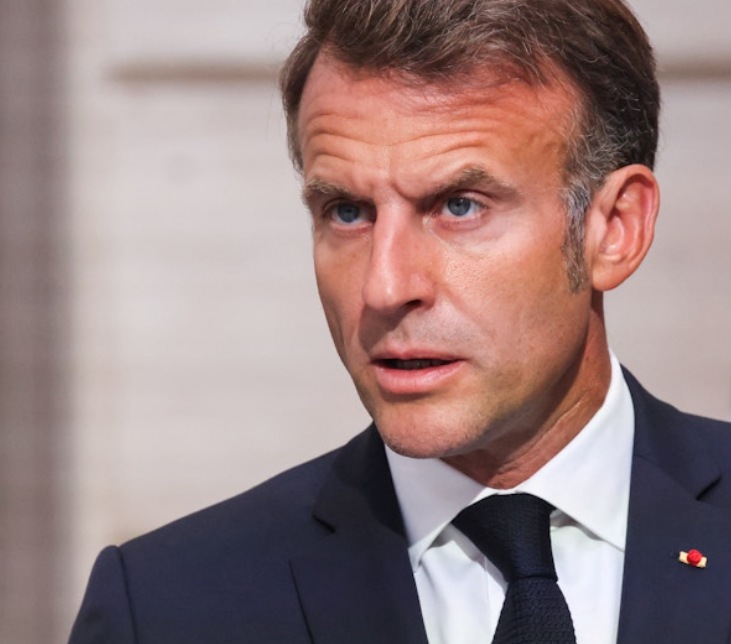
The sudden collapse of the French government stems from intense internal intrigues and relentless political horse trading among key factions. Lawmakers from various parties continuously negotiated and traded support to influence the government’s stability. These behind-the-scenes maneuvers ultimately undermined the ruling coalition’s unity, forcing Prime Minister Francois Bayrou and his cabinet to resign. Consequently, President Emmanuel Macron now faces the urgent task of assembling a new government while managing growing political divisions.
Economic Context: GDP, Debt, and Global Ranking
France ranks seventh among the world’s largest economies, with a Gross Domestic Product (GDP) exceeding 2.9 trillion US dollars. Despite this significant economic size, the country grapples with a public debt-to-GDP ratio approaching 115%, which limits fiscal flexibility. Moreover, France experiences moderate economic growth, hovering around 1.2% annually, which falls short compared to other top economies. These economic challenges exert additional pressure on policymakers, complicating efforts to implement necessary reforms and stabilize governance.

Military Strength and National Security
France maintains one of Europe’s strongest militaries, capable of defending against external aggression and participating actively in NATO operations. The country allocates approximately 2.3% of its GDP to defense spending, supporting advanced air, naval, and cyber capabilities. Moreover, France possesses nuclear deterrence, which enhances its strategic influence globally. However, ongoing political instability threatens to divert attention and resources from critical defense priorities, potentially weakening the nation’s preparedness in the long term.
Demographics, Literacy, and Social Indicators
With a population of about 67 million people, France enjoys a high literacy rate exceeding 99%, reflecting its comprehensive education system. The country benefits from a skilled workforce and robust social infrastructure, although regional disparities persist, particularly in economically lagging areas. Furthermore, France faces demographic challenges such as an aging population, which increases the demand for social services and pensions. These demographic trends intertwine with economic and political factors, shaping the broader context of the government’s collapse.
Cost and Standard of Living Compared to Other Top Economies
France offers a high standard of living, characterized by universal healthcare, extensive social welfare programs, and cultural richness. Nonetheless, the cost of living remains relatively high, especially in major urban centers like Paris, where housing and transportation expenses often surpass those in comparable global cities. Compared to other top economies such as Germany, the United States, and Japan, French citizens enjoy stronger social safety nets but face greater tax burdens. This balance contributes to mixed public sentiments regarding economic policy and government performance.
Reasons Behind the Collapse
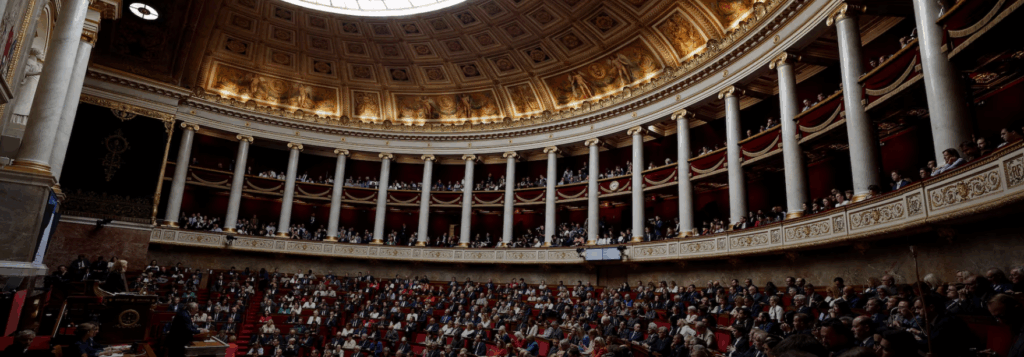
The government’s collapse primarily results from mounting opposition to proposed pension reforms, which sought to raise the retirement age and alter benefit calculations. Labor unions and opposition parties vehemently opposed these changes, sparking widespread protests and strikes. Additionally, political fragmentation within the ruling coalition exacerbated tensions, as some allies distanced themselves to protect electoral prospects. The inflexibility of key leaders and failure to find common ground ultimately led to the government’s downfall, reflecting deeper systemic challenges in French politics.
Public Views and Evolving Support
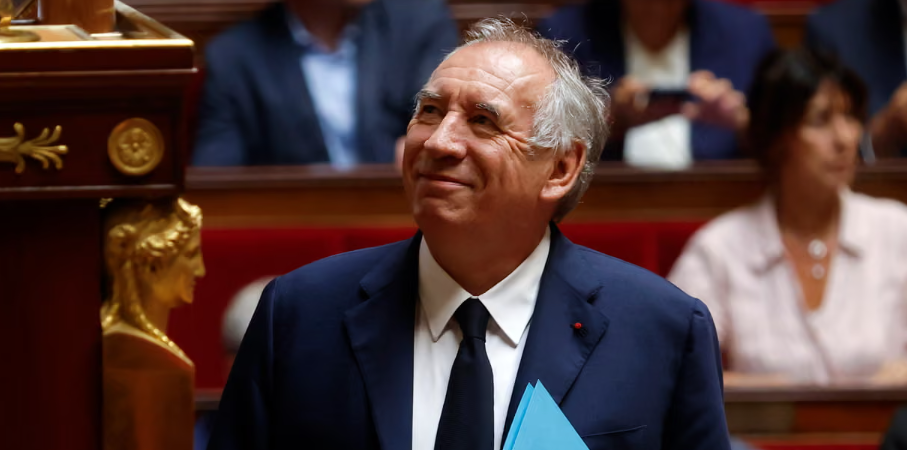
Public opinion remains deeply divided regarding the government’s collapse and the broader political landscape. Many citizens express frustration with perceived elitism and insufficient responsiveness to social concerns, fueling support for populist and opposition movements. Conversely, a significant portion of the population supports reforms aimed at ensuring fiscal sustainability and economic competitiveness. This polarization complicates efforts to build consensus and restore stable governance, raising uncertainty about France’s political future.
Looking Ahead: Challenges and Opportunities
As France navigates this period of political instability, the government faces pressing challenges in restoring public trust and addressing economic vulnerabilities. President Macron’s ability to forge new alliances and implement pragmatic reforms will prove crucial in shaping the country’s trajectory. Simultaneously, France’s strategic position in Europe and strong institutional foundations offer opportunities to overcome current difficulties and reaffirm its role as a global leader. However, the path forward requires careful balancing of competing interests and sustained commitment to national cohesion