
Trump’s ‘MAGA Master Plan’: Tariffs, Trade Wars, and Global Economic Reordering
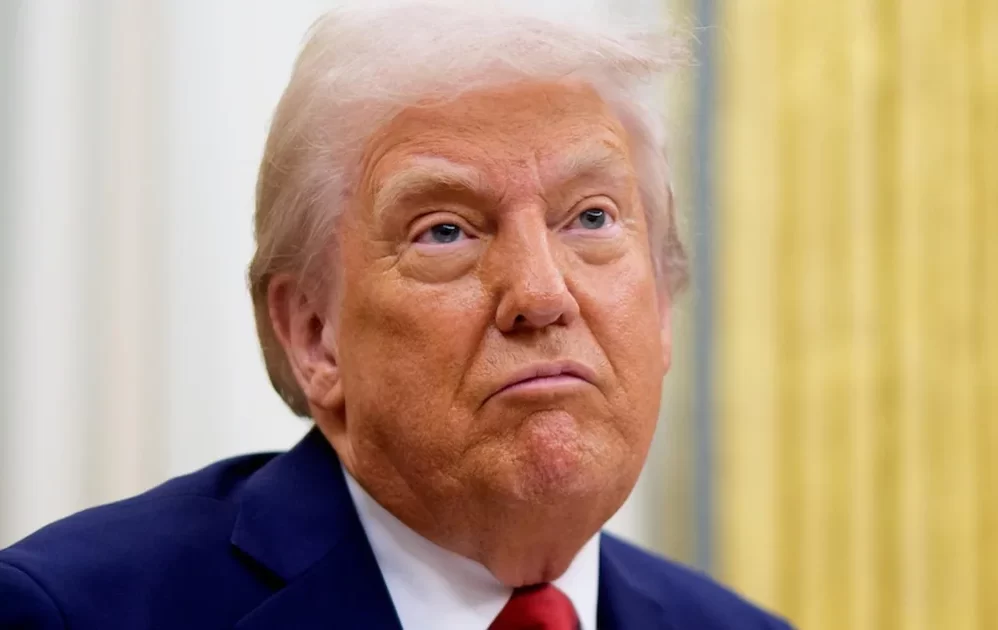
In a dramatic shift reminiscent of 19th-century protectionism, President Trump’s administration has embarked on a high-stakes strategy aimed at rebalancing global trade. At the heart of this “MAGA master plan” is the imposition of steep tariffs intended not only to counteract what the administration describes as decades of economic “looting” by other nations, but also to create a powerful negotiating leverage on the global stage.
Tariff Chaos and Negotiating Leverage
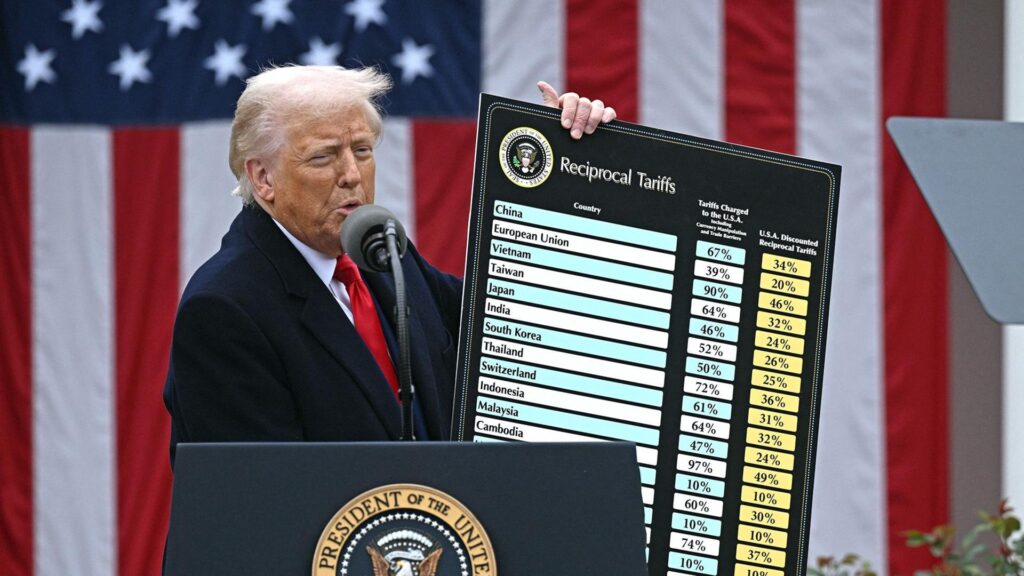
The administration’s aggressive tariff measures target both allies and adversaries. Trump lamented that while the United States charged a modest 2.4–2.5% tariff on motorcycles and foreign-made automobiles, countries like Thailand, India, and Vietnam levied tariffs as high as 60–75%.
In response, the U.S. announced “reciprocal tariffs,” aiming to charge roughly half the rate imposed by its trading partners. For instance, a 67% tariff on Chinese goods would prompt a 34% counter-tariff, while the EU’s 39% rate would be met with a 20% fee. These measures are framed as necessary responses to chronic trade deficits that have, in Trump’s view, endangered national security by leaving the U.S. supply chain vulnerable.
Reciprocal Tariffs: A Discounted Reprisal
Beyond mere retaliation, the concept of reciprocal tariffs is designed to disincentivize further tariff hikes by trading partners. Trump’s administration argues that by implementing a baseline tariff—set at a minimum of 10%—it creates a floor that discourages other nations from raising their rates excessively. This approach is intended to encourage domestic production by offering zero tariffs for products made in America, thus fostering a resurgence in U.S. manufacturing.
The Mar-a-Lago Accord and Global Currency Dynamics
An integral element of the strategy, often referred to as the “Mar-a-Lago Accord,” envisions a new global economic order. Under this concept, countries might voluntarily allow their currencies to appreciate against the dollar, thereby making U.S. exports more competitive and imports more expensive.
This scenario, however, hinges on an unprecedented level of trust and cooperation, as nations would essentially pay “tribute for security” in exchange for the benefits of a rebalanced trade system. The risks of such an approach are significant: countries might find themselves at odds with the U.S.-dominated global order, seeking alternative alliances and economic partnerships in the process.
Historical Parallels and Modern Complexities
Supporters of the plan often draw parallels to the late 19th century, a period when tariffs were credited with fostering industrial growth. However, modern economists caution against a simplistic comparison. The global economy today is far more integrated, with intricate supply chains and a heavier reliance on technology and services.
While historical data indicate that tariffs once promoted domestic growth, recent evidence from the late 20th century suggests that such measures can also impede economic efficiency and innovation. Moreover, the methodologies used to calculate historical tariff impacts are often crude and may not account for the complex realities of modern trade.
Global Reactions and the Threat of a Trade War
The administration’s tariff policies have triggered a range of international responses. Some experts, like those at the Economist Intelligence Unit, predict that few Asian nations will risk significant retaliation due to the formidable economic costs involved. However, the broader concern is that these measures could ignite a global trade war, disrupting supply chains and curtailing growth worldwide.
The White House fact sheet emphasizes that while tariffs aim to counter non-tariff barriers imposed by countries like China and India, they also risk triggering a cascade of reciprocal measures that could harm global economic stability.
Implications for Africa and the AfCFTA
For African nations, including Nigeria, the impact of Trump’s trade strategy could be particularly severe. Many African economies depend on exports to major trading partners, and a slowdown in global demand could lead to reduced revenues and heightened economic instability.
The African Continental Free Trade Area (AfCFTA) was designed as a buffer against such external shocks by promoting intra-African trade and industrialisation. However, its success is contingent upon overcoming long-standing challenges like fragmented regional markets, political instability, and infrastructural deficits. As global trade patterns shift, Africa’s ability to leverage the AfCFTA to mitigate negative impacts will be crucial.
Trump’s Domestic Narrative: Reviving American Industry
Domestically, President Trump has repeatedly framed these tariffs as a catalyst for renewed American investment and reindustrialisation. Citing unprecedented levels of corporate reinvestment, he described the tariffs as a “liberation” tool—one that forces companies to relocate production back to the United States, thereby strengthening the domestic economy. Nevertheless, many analysts remain skeptical about the long-term efficacy of this approach, noting that significant structural changes in U.S. manufacturing and global supply chains may take years to materialise.
Conclusion
Trump’s “MAGA master plan” is a bold attempt to recalibrate global trade through aggressive tariffs and strategic economic pressure. While the administration’s actions are grounded in a narrative of economic fairness and national security, the reality is far more complex. Historical comparisons offer some insight, yet the modern global economy presents challenges that tariffs alone cannot resolve.
For nations like Nigeria and other African countries, the consequences of these policies underscore the need for stronger regional integration and economic diversification. As the world braces for potential retaliatory measures and a reordering of global trade, the ultimate impact of this strategy remains uncertain—its success hinging on both international cooperation and the resilience of domestic economies.